Why Trump's Poll Numbers Are Dropping
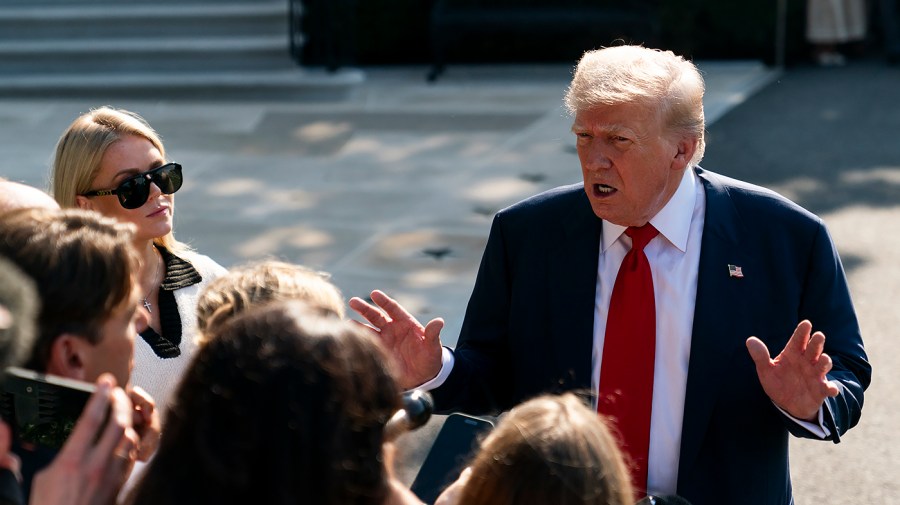
Trump's Approval Ratings and Policy Implementation
President Donald Trump has faced challenges in maintaining a strong approval rating, despite achieving several of his campaign promises. Through legislative efforts in Congress and executive actions, Trump has worked to reshape the federal government according to his vision. This includes reducing the number of federal workers with the assistance of the Supreme Court, implementing tariffs that have led to trade agreements with various countries, and passing his first major piece of legislation, often referred to as the “big, beautiful bill.”
These initiatives were central to Trump’s campaign platform, where he became the first Republican to win the national popular vote in 20 years. However, his approval ratings have consistently remained below average, raising questions about public satisfaction with his performance.
Experts suggest that governing is more complex than campaigning, and many of Trump’s initial promises have not been fulfilled. For instance, he had pledged to lower prices and resolve conflicts in Ukraine and the Middle East, but these goals remain unmet. Additionally, even when Trump has succeeded in implementing policies, they have not always been well-received by the public.
The Challenge of Governing
Trump’s approval ratings have historically been low, with Gallup’s tracker showing that he has never achieved an average of at least 50 percent. Despite this, he remained competitive in the 2020 election and won the 2024 race by securing key battleground states. However, his poor ratings could affect the Republican Party in the upcoming midterm elections.
Recent polls indicate that Trump’s net approval rating has reached its lowest point yet, with vulnerabilities among specific groups such as independents and on issues like the economy and immigration. While there has been some rebound, his approval has generally fluctuated in the mid-to-low 40s for months.
Scott Tranter, director of data science for Decision Desk HQ (DDHQ), notes that a low approval rating has become the norm for recent administrations, starting from Trump’s first term. Former President Joe Biden experienced a honeymoon period initially, but his approval dropped significantly and never recovered, remaining in the high-30s to low-40s range.
The Rise of Populism
Tranter suggests that the growing appeal of populism in the U.S. is partly due to the general dissatisfaction with the government. He explains that people may dislike a president for various reasons, much like how individuals might dislike a restaurant for different reasons—some for dietary restrictions, others for health concerns.
Thermostatic Opinion and Public Perception
Political scientist Jonathan Hanson discusses the concept of “thermostatic” opinion, which refers to changes in public opinion influenced by government actions. As policies are implemented, people may change their views, especially if they perceive negative outcomes. This effect is evident in areas such as immigration, where Trump’s handling has seen a decline in public approval.
Several polls show a drop in support for Trump’s approach to immigration, with one survey noting a 6-point decrease from March to the present. Images of ICE raids on television have turned some supporters away, as many of those affected have not committed violent crimes, contrary to Trump’s campaign focus on criminals.
Tariffs and Economic Concerns
Tariffs have also been a significant issue for Trump. While he argued that other countries were exploiting the U.S., the implementation of tariffs has been inconsistent, leading to a chaotic situation. Although Trump has secured deals with trading partners, public perception of his tariff policies has negatively impacted his overall approval rating.
Charles Franklin, director of the Marquette Law School Poll, points out that fears of economic downturns due to tariffs have not materialized, which may help maintain support among Republicans. However, some voters who supported Trump in November did so primarily to oppose the Democrats and the previous administration.
Conclusion
Despite his policy achievements, Trump’s approval ratings continue to be a challenge. His ability to connect with the public remains a critical factor in determining the success of the Republican Party in future elections. The interplay between policy implementation, public perception, and political dynamics will likely shape the ongoing narrative surrounding his presidency.

Post a Comment for "Why Trump's Poll Numbers Are Dropping"
Post a Comment