Why Terence Stamp Defined the 60s Icon
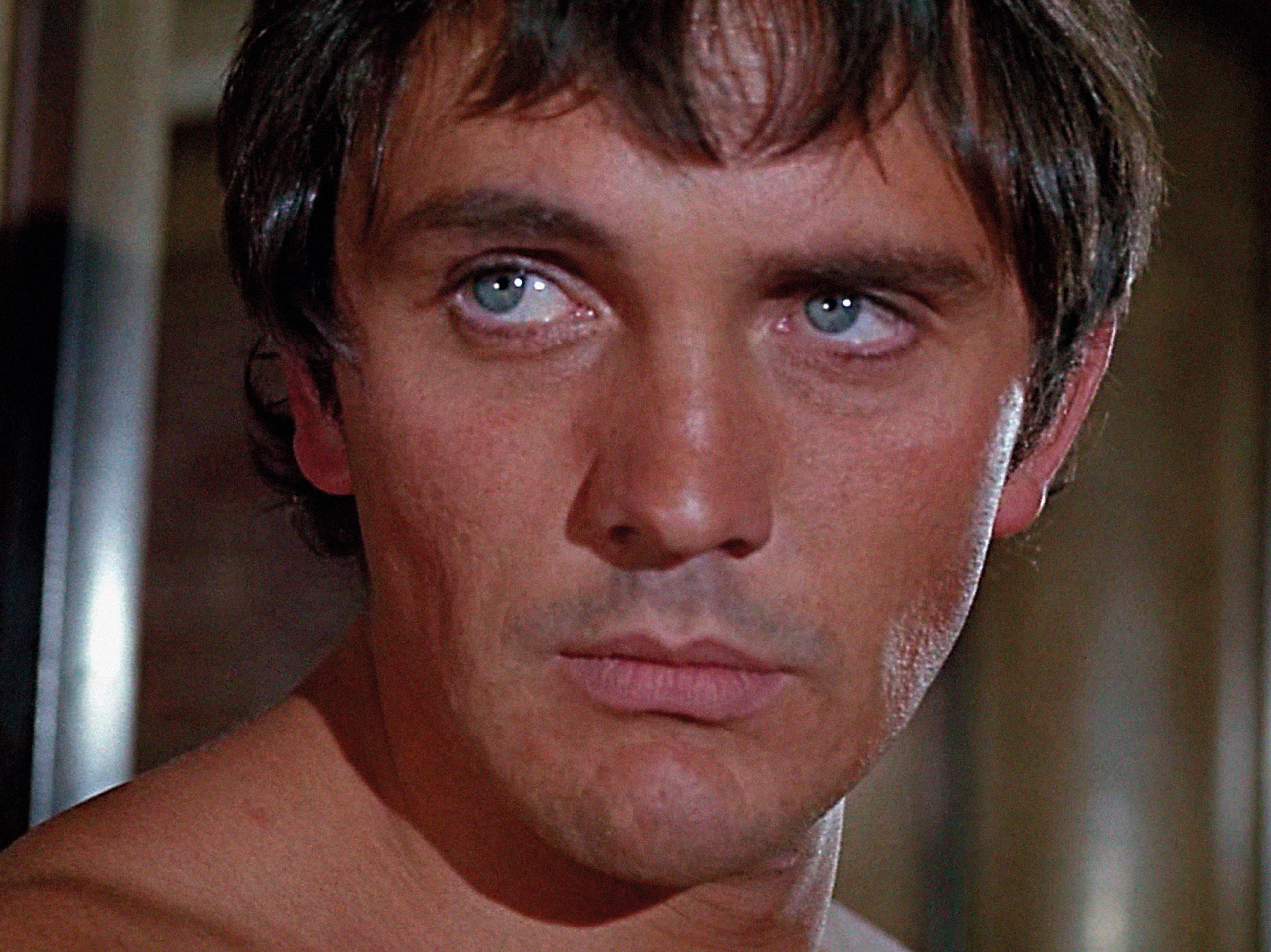
The Iconic Face of the 1960s
When Edgar Wright was casting his 1960s-set film Last Night in Soho, he chose actors who embodied the spirit of the decade. Among them were notable names like Diana Rigg and Rita Tushingham, but it was the late Terence Stamp whose image was most closely associated with the era. His presence in the cultural landscape of the 1960s was undeniable.
The Kinks' 1967 song Waterloo Sunset famously references "Terry and Julie," a nod to Stamp and Julie Christie, who were once considered the epitome of the era’s romantic ideal. In exhibitions featuring the works of David Bailey, one of the most iconic photographers of the time, Stamp's portrait is often included. Once dubbed “the most beautiful man in the world,” Stamp was not only known for his looks but also for his relationships with some of the era’s most famous women, including Jean Shrimpton, Julie Christie, and Brigitte Bardot.
Reflecting on his time in the spotlight, Stamp noted in 2015, "I was in my prime, but when the 1960s ended, I ended with it." As a working-class boy who rose to fame, he became a symbol of the socially liberal 1960s, much like his flatmate Michael Caine. However, unlike Caine, who was already established by the start of the decade, Stamp was more deeply entwined with the Swinging London scene.
A Rising Star in the 1960s
Stamp was just 24 when he made his film debut as the titular character in Billy Budd, directed by Peter Ustinov. The role earned him critical acclaim, an Academy Award nomination for Best Supporting Actor, and a BAFTA for Most Promising Newcomer. This marked the beginning of a career that would include classics such as The Collector (1965) and Far from the Madding Crowd (1967).
Despite his early success, Stamp missed out on a major role in one of the decade's defining films. He was originally cast in Michelangelo Antonioni’s Blow-Up, but lost the part to David Hemmings. Photographer David Bailey, who had worked with Stamp, expressed confusion about the decision, stating, "He was less of a sissy than Hemmings, and at least he was from the East End like me."
A Brush with Bond
Another near-miss came when Stamp was considered for the role of James Bond after Sean Connery left the franchise. Harry Saltzman, one of the co-producers, invited Stamp for dinner and suggested he could be the new 007. However, Stamp’s unconventional ideas about the role reportedly made Saltzman reconsider. While he was interested in the part, his bohemian lifestyle and counter-cultural tendencies may have made him an ill fit for the Establishment figure of Bond.
Following this encounter, Stamp worked with Federico Fellini on Spirits of the Dead and was introduced to the Indian philosopher Krishnamurti. This led him to travel the hippie trail, practicing yoga, adopting a vegetarian diet, and living on an ashram.
A Career Reborn
As the 1960s came to an end, Stamp found himself struggling to maintain his relevance. At just 32, he was labeled a has-been, leading him to take a round-the-world trip to escape the pressures of the industry. Despite this, he eventually returned and found new opportunities.
In 1978, he was cast as General Zod in Superman: The Movie. Though he was past his commercial peak, the role proved to be a turning point, leading to further success in films like The Hit (1994) and The Adventures of Priscilla, Queen of the Desert (1994). In 1999, Steven Soderbergh featured him in The Limey, using clips from his 1967 film Poor Cow to highlight the character’s past.
Legacy of a Cultural Icon
While Stamp had successes beyond the 1960s, it is his work during that decade that remains his most enduring legacy. As a working-class lad from the East End, he became one of the most popular and bankable stars of the time, embodying the spirit of Swinging London and the social mobility it represented. His place in cultural history is assured, as he will always be remembered as the poster boy of an unforgettable era.

Post a Comment for "Why Terence Stamp Defined the 60s Icon"
Post a Comment