Why Navy Ships Zigzagged to Dodge Submarines in WWII
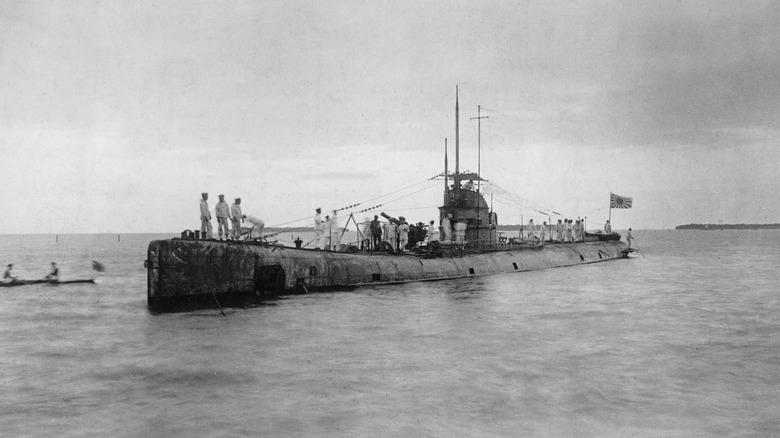
The Role of Submarines in World War II
During World War II, submarines played a crucial role in naval warfare. Among the most notable were Germany's U-boats, which became infamous for their effectiveness in attacking enemy ships. These underwater vessels were essential for transporting weapons, soldiers, and supplies, but they also served as powerful war machines. As a result, both sides invested heavily in developing strategies to counter these threats.
The unpredictable nature of submarines made them a significant challenge for navies. To combat this, various experimental methods were developed. Surface ships equipped with anti-submarine weapons like depth charges were used to hunt submarines, but there were other techniques to avoid torpedo attacks. One such method was the use of a zig-zagging movement pattern.
The Zig-Zag Technique Explained
According to Ryan Szimanski, curator of the Battleship New Jersey, the zig-zag technique was commonly used during the World Wars. This strategy involved changing course frequently to make it harder for submarines to target a ship. Torpedoes at the time relied on a straight-line approach, factoring in the target's speed and direction. By altering the course, ships could potentially disrupt the submarine's targeting system.
Szimanski explained that the primary goal was not just to throw off the targeting but to prevent the submarine from getting into a firing position altogether. Since submarines were generally slower than their targets, maneuvering into the right spot was critical for an effective attack.
Challenges of Implementing the Zig-Zag Strategy
While the zig-zag technique offered advantages, it also presented challenges, especially when dealing with convoys. Convoys, which were large groups of ships traveling together, were prime targets for submarines. The difficulty lay in maintaining coordination among multiple ships while following a zig-zag path.
To address this, a device known as a zig-zag clock was introduced. Each ship in the convoy had a clock connected to the bridge, which would chime when a course correction was needed. These clocks were synchronized so that all ships changed direction at the same time. This helped maintain the formation and prevented the group from becoming disorganized.
Advantages of the Zig-Zag Course
Following a zig-zag course provided several benefits. An unpredictable target was more difficult to hit, making it harder for submarines to plan an attack. Additionally, the constant changes in direction made it challenging to determine the exact route of the ships, complicating efforts to track them.
A 1917 document titled "Remarks On Submarine Tactics Against Convoys" highlighted how this strategy affected submarine operations. It noted that submarines had to take frequent short looks through their periscopes, limiting their ability to use their speed effectively. This constant need to re-evaluate and reposition could frustrate an attack, making it harder for submarines to succeed.
The Dangers of Submarine Warfare
Despite their effectiveness, submarines were not without risks. One U.S. submarine was even sunk by its own torpedo, underscoring the dangers involved in submarine warfare. This incident led to the development of various strategies to counter these threats, ensuring that navies could protect their vessels and convoys.
The impact of submarine warfare extended beyond the battlefield, influencing naval tactics and strategies for years to come. The lessons learned from these encounters shaped modern naval operations, emphasizing the importance of adaptability and innovation in the face of evolving threats.

Post a Comment for "Why Navy Ships Zigzagged to Dodge Submarines in WWII"
Post a Comment