Why Millions of Butterflies Disappeared in Two Decades
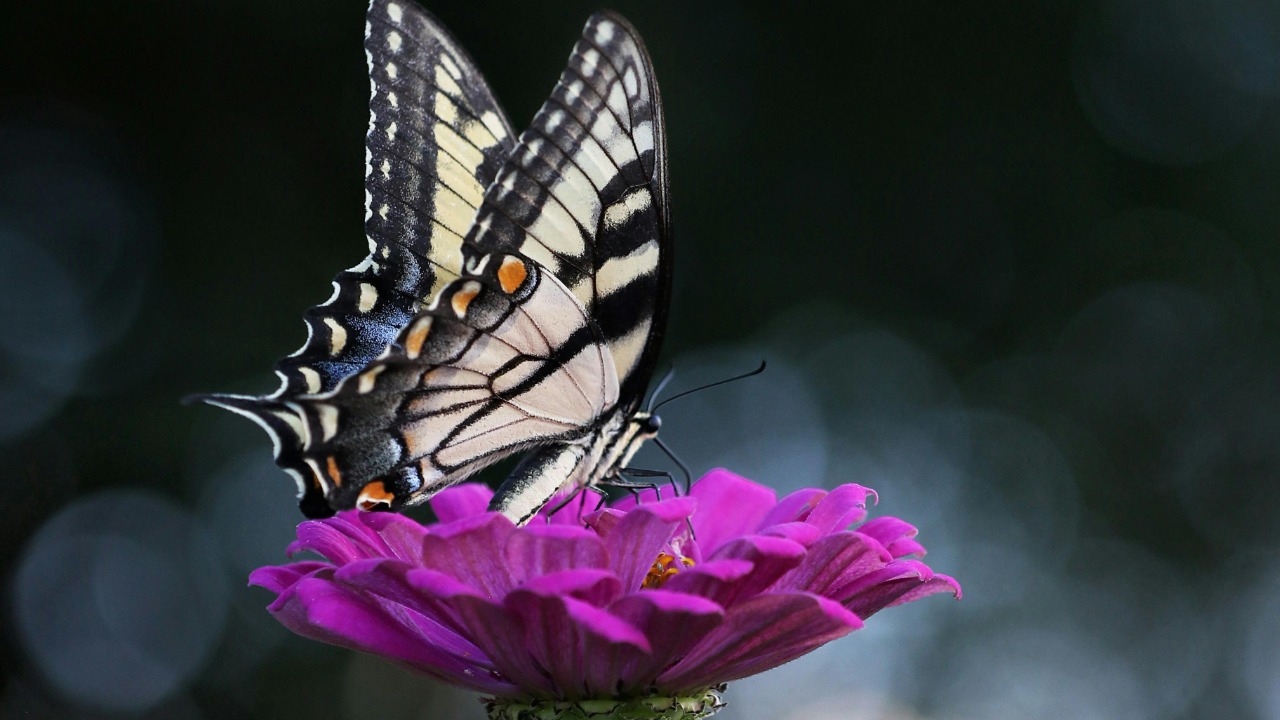
The Disappearing Butterflies: A Global Crisis
Over the past two decades, butterflies have mysteriously vanished in staggering numbers across the globe, sparking concern among scientists and environmentalists. This decline is particularly alarming, with a 22% drop recorded in the United States alone. As these delicate pollinators become increasingly rare, understanding the causes behind their disappearance has become more urgent than ever.
Environmental Changes and Habitat Loss
One of the primary drivers of butterfly decline is the rapid expansion of urban areas, which leads to significant habitat destruction. As natural landscapes are converted into residential and commercial zones, butterflies lose the environments they depend on for food and breeding. These habitats are essential for sustaining their life cycles, and their loss has had devastating consequences.
Deforestation for agriculture and development further compounds the problem by disrupting the ecosystems that butterflies rely on. Climate change also plays a critical role, altering migration patterns and survival rates. Shifts in temperature and weather patterns make it harder for butterflies to find suitable habitats and food sources. Additionally, climate change affects the availability of host plants crucial for the caterpillar stage, leading to lower survival rates. As the climate continues to change, it threatens the delicate balance of ecosystems that butterflies depend on.
Agricultural Practices and Pesticides
The widespread use of pesticides in agriculture has had devastating effects on non-target species like butterflies. These chemicals, designed to protect crops from pests, often harm beneficial insects as well. Neonicotinoids, a common type of pesticide, are particularly harmful because they accumulate in the environment and can be ingested by butterflies through contaminated nectar and pollen. This exposure can be lethal or lead to long-term health issues, weakening butterfly populations over time.
Monoculture farming is another agricultural practice that negatively impacts butterflies. The trend toward monoculture farming reduces plant diversity, which affects the availability of nectar sources for butterflies. In diverse environments, butterflies have access to a wide range of plants, ensuring a steady supply of food. However, monoculture landscapes lack this diversity, posing a challenge for butterfly survival. The lack of floral diversity in agricultural landscapes can result in nutritional deficiencies for butterflies, further contributing to their decline.
Biological Interactions and Predation
Invasive species introduce new challenges for butterfly populations by increasing competition for resources. Non-native species can outcompete butterflies for food and habitat, leading to declines in native populations. In some cases, invasive predators and parasites have been introduced, posing significant threats to butterflies. These predators can target butterfly eggs, larvae, or adults, increasing mortality rates and further stressing populations.
Disease and parasitism are additional factors that can lead to higher mortality rates among butterflies. The increased prevalence of diseases and parasites can be attributed to environmental changes and human activities. The spread of pathogens is exacerbated by climate change, which can create favorable conditions for parasites and diseases to thrive. These factors further threaten butterfly populations, making it imperative to monitor and mitigate these biological interactions.
Conservation Efforts and Future Prospects
Efforts to create butterfly-friendly habitats in urban and rural areas are showing promise in stabilizing populations. Initiatives such as planting native gardens and establishing butterfly reserves can help provide the necessary resources for butterflies to thrive. Public awareness campaigns and citizen science projects have increased engagement in butterfly conservation, encouraging individuals to participate in activities like monitoring local butterfly populations and planting pollinator-friendly plants.
Policy and legislation play a critical role in addressing habitat conservation and pesticide regulation. Government policies can help protect natural habitats and limit the use of harmful pesticides, creating a more favorable environment for butterflies. There is also potential for international cooperation to protect migratory species like butterflies, which cross borders and face threats in multiple countries. Collaborative efforts can lead to more comprehensive conservation strategies and greater success in preserving butterfly populations.
As we reflect on the challenges facing butterflies, it’s clear that a multifaceted approach is needed to address their decline. By understanding the complex interplay of environmental, agricultural, and biological factors, we can develop effective strategies to protect these vital pollinators. Continued research and collaboration among scientists, policymakers, and the public will be essential to ensure that future generations can enjoy the beauty and ecological benefits of butterflies.

Post a Comment for "Why Millions of Butterflies Disappeared in Two Decades"
Post a Comment