Why Japan's Birth Rate is Dropping and How It's Responding
The Shrinking Nation: Japan's Demographic Crisis
The world's population has recently surpassed eight billion, but this number is misleading. While some regions experience growth, many countries are facing steep population declines. Nowhere is this more evident than in Japan, a nation that has been losing people for over 15 years and is projected to shrink by half by the end of this century. This demographic shift has far-reaching consequences across various sectors, including the economy, healthcare, education, housing, national defense, and culture.
Japan’s population peaked at 128 million in 2008 and has been on a steady decline since then. Despite government efforts to reverse this trend, the country continues to face challenges in maintaining its workforce and sustaining economic growth. One of the most poignant examples of this crisis can be found in Ichinono, a small village nestled between mountains just an hour and a half west of Kyoto. With a population of just under 50, the village is now home to 40 lifelike puppets scattered throughout the town, from playgrounds to the woods.
Shinichi Murayama, the village’s puppet master, explains that while the puppets are not a substitute for real people, they bring a sense of comfort and joy to the community. “It’s lonely here,” he says. “Back in my day, the village was full of kids.” Murayama’s concern reflects a broader anxiety about the future of communities like Ichinono, where the human population may soon be outnumbered by the puppets.
This situation is emblematic of Japan’s larger demographic issues. The country is experiencing a significant drop in birth rates, with more people dying than being born each year. In 2023, for every two deaths, there was only one new baby. As a result, Japanese consumers now buy more adult diapers than baby diapers. The aging population also places immense pressure on the economy and social systems, as fewer young people are available to support the elderly.
Taro Kono, a former high-ranking minister in Japan’s parliament, highlights the urgency of the issue. He notes that without a sufficient population, even critical areas such as climate change, government deficits, and military readiness become less relevant. “If there's no people living in Japan,” Kono says, “everything else becomes secondary.”
While Japan is not alone in facing population decline, its situation is particularly acute. Countries outside of Africa are increasingly experiencing similar trends, with the United States also seeing a record-low fertility rate. Former President Donald Trump has raised concerns about the decline in birth rates, calling it a threat to the West. Kono believes Japan could have been better prepared for this crisis, emphasizing the need for investment in technology and immigration policies to address labor shortages.
However, cultural barriers remain a challenge. Japan’s society has traditionally been homogeneous, making it difficult to integrate foreign immigrants. This reluctance to embrace diversity is compounded by a deeply ingrained social structure that makes it hard for women to balance career and family life. Roland Kelts, a Japanese American writer, points out that the shift in economic power from men to women has not yet translated into changes in social norms. “The office ladies make more money than the corporate guys,” he says, “but the social expectations haven’t caught up.”
The impact of these changes is visible in the declining marriage and birth rates. In 2023, fewer than 500,000 Japanese couples married, the lowest number since 1917. Kelts suggests that Japan is ahead of the curve when it comes to societal shifts, noting that the country is a “canary in a coal mine” for global trends. He predicts that AI relationships will become increasingly common, potentially replacing traditional human connections.
In response to these challenges, the Tokyo government has launched initiatives to encourage relationships and boost birth rates. Governor Yuriko Koike has introduced a dating app using artificial intelligence to help match people, and the city has implemented a four-day workweek for government employees to support working mothers. These efforts reflect a growing recognition of the need for systemic change.
Hanako Okada, a former lawyer turned politician, emphasizes the importance of shifting cultural attitudes. She moved back to her rural hometown of Aomori, where she witnessed the decline of local communities firsthand. “If our regions collapse, it imperils our country’s strength,” she says. Okada believes that creating jobs and opportunities in rural areas is essential to reversing the trend of urban overpopulation.
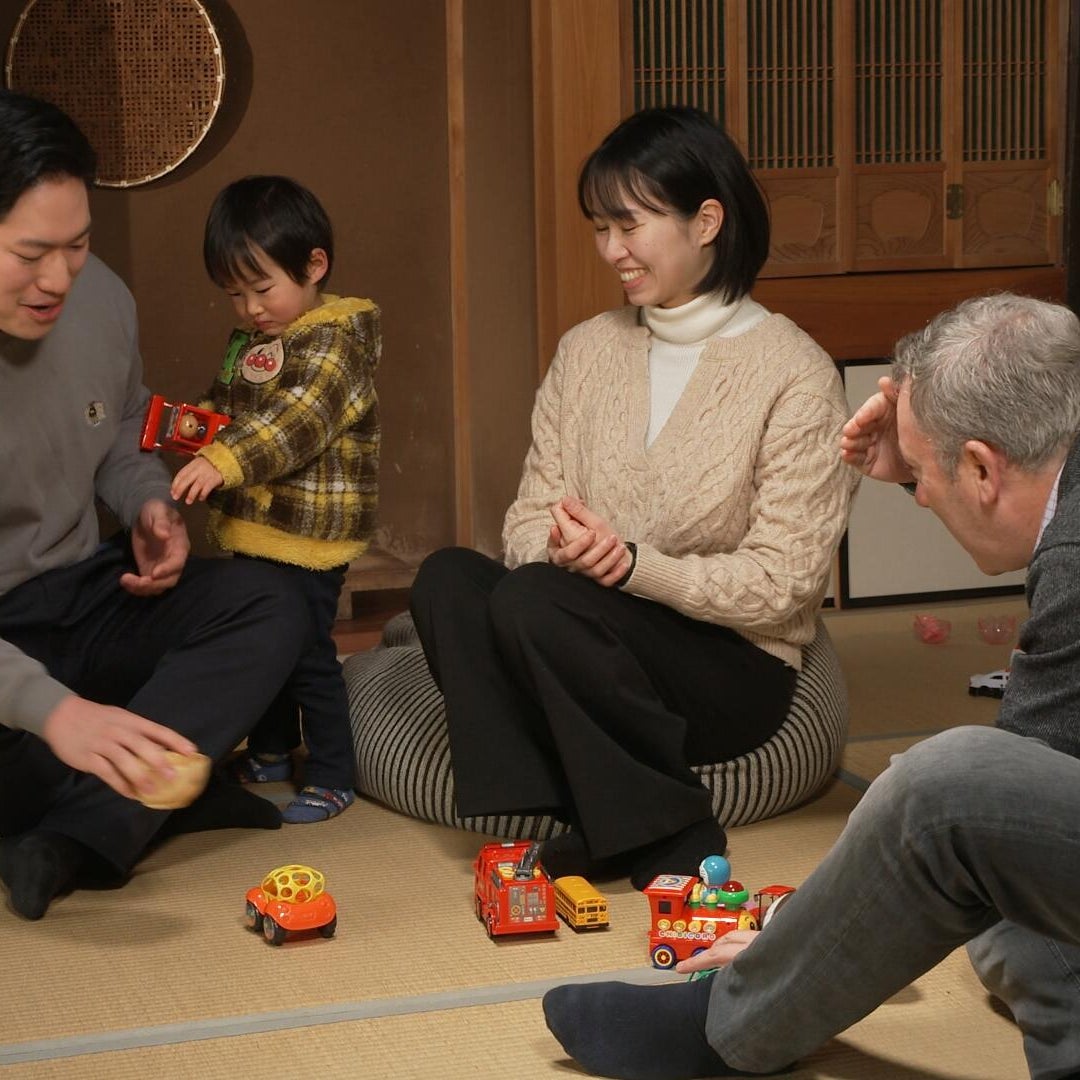
Families like the Katos are choosing to move to places like Ichinono, where they can enjoy a slower, more traditional lifestyle. Their son, Kuranosuke, is the first baby born in the village in over 20 years. Toshiki Kato, the father, describes the benefits of their new life: “We’ve got a mountain and a river to explore. We make our own toys and grow our own vegetables. For a kid, there’s plenty of ways to have fun here.”
As Japan grapples with its demographic crisis, the path forward remains uncertain. However, efforts to create a more balanced society, both economically and culturally, may offer hope for a more sustainable future.

Post a Comment for "Why Japan's Birth Rate is Dropping and How It's Responding"
Post a Comment