Why Israel and Hamas Can't End the Conflict
The Prolonged Conflict in Gaza
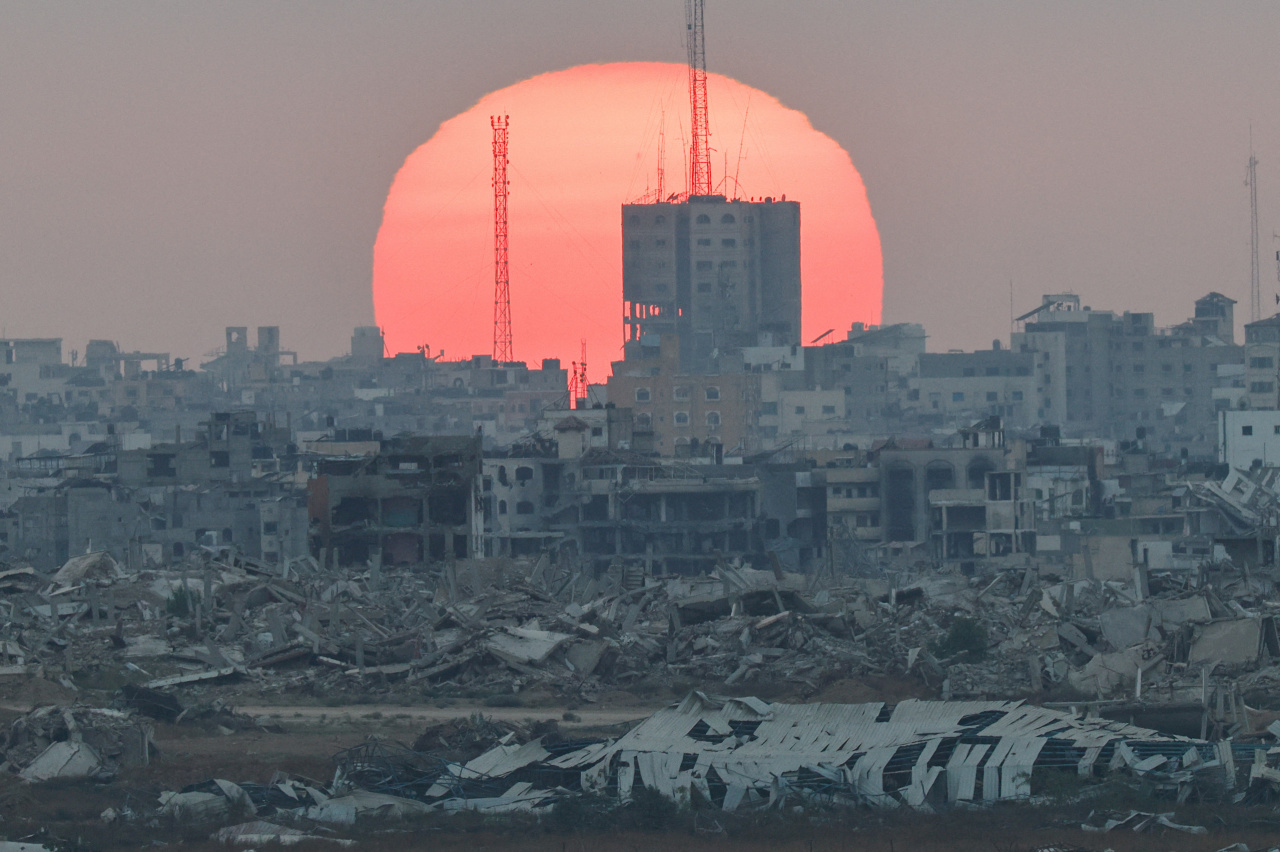
Israel has successfully concluded its military campaigns against Iran and the Lebanese Shiite militia Hezbollah, but the war in Gaza continues after nearly two years. The conflict has led to the deaths of more than 60,000 Palestinians, according to the Gazan health ministry, and a severe hunger crisis has taken hold. Over two million people are trapped in Gaza, struggling daily for food, shelter, and medical care. Much of the region lies in ruins, with vast areas reduced to mounds of concrete and rebar.
The ongoing violence has significantly damaged Israel’s global standing. In the U.S. and Europe, public opinion has shifted against the country. UK Prime Minister Keir Starmer has indicated that the UK may recognize a Palestinian state in September unless Israel takes “substantive steps” to end the war in Gaza, following a similar pledge by France. Inside Israel, polls show a majority of Israelis believe it is time for the war to end, as the number of Israeli troops and hostages killed continues to rise. Many exhausted soldiers agree with this sentiment.
Unbridgeable Strategic Goals
Despite these pressures, the strategic goals of both sides remain nearly unbridgeable. Israeli Prime Minister Benjamin Netanyahu seeks the complete surrender or elimination of Hamas. However, Hamas refuses to give up its existence as an armed group fighting Israel, despite losing most of its senior leadership and combat capabilities. Until one side concedes, the war is likely to continue.
Recent cease-fire talks in Doha, Qatar, and expressions of optimism from the White House have stalled. Israel and the U.S. have recalled their negotiating teams, with the talks failing over issues such as who would distribute humanitarian aid, where Israeli troops would be stationed, the number of Palestinian prisoners to be exchanged for hostages, and the opening of a border between Gaza and Egypt.
Amir Avivi, a former Israeli defense official close to the government, said Israel mistakenly believed it had a strong negotiating hand with Hamas after defeating Iran and Hezbollah. He noted that the situation did not unfold as expected.
The Role of International Actors
After the October 7, 2023, attack by Hamas on Israel, which resulted in nearly 1,200 deaths and the taking of 251 hostages, Netanyahu vowed to eliminate Hamas. This goal has remained unchanged over the past 21 months. Following the war with Iran, Netanyahu emphasized that the conflict with Tehran has opened historic diplomatic opportunities, which likely require at least a temporary pause in fighting in Gaza. However, he has shown firmness in cease-fire talks with Hamas.
President Trump, a key supporter of Israel, has repeatedly called for an end to hostilities. He accused Hamas of obstructing a deal out of fear of what might happen to the group when it no longer holds any hostages. He also pledged U.S. support for delivering aid to Gaza, acknowledging the dire conditions faced by its residents.
Hamas officials, including Ghazi Hamad and Khalil al-Hayya, have stated that the group will continue to hold out for a deal that leads to an end to the war and a full Israeli withdrawal from Gaza. Al-Hayya even called on civilians in neighboring Arab countries to break into Gaza to bring food and invade Israel.
Different Goals and Military Strategies
Israel’s goals in Lebanon and Iran were more modest and had been planned years in advance. It sought for Hezbollah to pull back from its border with Israel and adhere to a United Nations resolution calling for its disarmament. In Iran, Israel aimed to set back the nation’s nuclear ambitions and ballistic missile capabilities. Neither case involved seeking the total destruction of those entities or regime change.
Despite military successes in Gaza, including the killing of the Oct. 7 mastermind Yahya Sinwar, Hamas remains the strongest Palestinian force in the region. It has recruited thousands of new fighters since the war began. If the goal is to wipe out all of Hamas’s military and operational capabilities, the war could last years, according to Ofer Guterman, a senior researcher at the Tel Aviv-based Institute for National Security Studies.
Humanitarian Challenges and Military Options
As the war drags on, the humanitarian crisis in Gaza has worsened, with deaths attributed to starvation increasing. Israel has announced a pause in fighting in populated areas each day to facilitate aid delivery and secure safe routes for aid workers. However, entering large population centers under Hamas control remains a significant challenge.
Israeli security analysts suggest that the country could increase pressure on Hamas by sidelining or assassinating its leaders in Doha and negotiating directly with operatives on the ground in Gaza to free hostages. The U.S. and Israel could also press to extradite Hamas’s leaders in Qatar.
Critics of Netanyahu argue that his unwillingness to accept alternatives for governing Gaza, such as the West Bank’s Palestinian Authority, has deprived Israel of an important tool for forcing out Hamas. Netanyahu views the Palestinian Authority as sympathizers of terrorists.
Global Reactions and Domestic Pressure
Israel’s global reputation has suffered as the war has continued. In the U.S., more than half of Americans now hold an unfavorable view of Israel, according to a Pew Research Center poll. France has sought to ban or limit participation of Israeli defense companies in leading defense exhibitions. The U.K. has paused trade talks and joined other nations in sanctioning senior far-right ministers.
Inside Israel, polls show more than 70% of Israelis want the fighting to end and the hostages to be freed. Even among voters for Netanyahu’s right-wing Likud party, some 50% now support ending the war through a hostage deal. However, some of Netanyahu’s far-right coalition allies argue that the country should focus exclusively on defeating Hamas militarily.
Many Israelis worry about the toll the war is taking on soldiers, especially reservists who have had to leave their families and jobs for long stretches of time. More than 400 Israeli soldiers have been killed in Gaza since the invasion of the Strip. Commanders say it is getting harder to recruit men for new fighting.
A reservist from the 98th commando division, who served in Gaza for months, has decided not to return. He believes the fighting endangers the lives of the hostages and thinks it is impossible to completely destroy Hamas due to its use of guerrilla warfare. “It’s no longer a just war,” he said.

Post a Comment for "Why Israel and Hamas Can't End the Conflict"
Post a Comment