Why Is My Bird Losing Feathers?
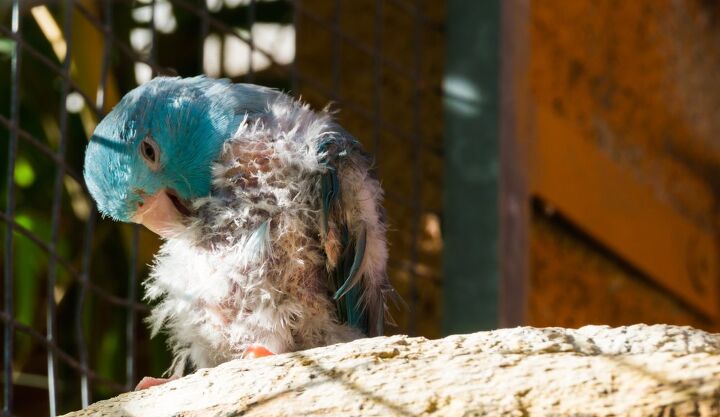
Understanding Feather Loss in Pet Birds
Feather loss in pet birds can be a cause for concern among bird owners. The vibrant and colorful plumage that makes these pets so appealing is not just aesthetically pleasing—it's also a sign of their overall health. When feathers start falling out unexpectedly, it often signals an underlying issue that needs attention. While some feather loss is normal, especially during molting, other cases may point to health problems, environmental stress, or behavioral issues.
Molting: A Natural Process
The most common reason for feather loss in birds is molting, a natural process where old or damaged feathers are replaced by new ones. Most pet birds molt once or twice a year, and the process can last several weeks. During this time, you might notice:
- Feathers at the bottom of the cage
- New “pin feathers” poking through the skin
- A slight decrease in activity, but the bird should still be eating and behaving normally
If the feather loss appears uneven, occurs outside of molting season, or is concentrated in specific areas, it could indicate a different problem.
Stress and Environmental Factors
Birds are highly sensitive to changes in their environment. Stress can lead to a behavior known as feather plucking, where the bird pulls out its own feathers. Common stressors include:
- Loud noises or sudden changes in routine
- Boredom or lack of mental stimulation
- Introduction of a new pet or person into the household
- Inadequate lighting or poor cage placement
- Drafty rooms or fluctuating temperatures
To keep your bird healthy, it’s important to provide a consistent day/night cycle, a quiet and safe space, and regular opportunities for mental engagement.
Poor Diet and Nutrient Deficiency
Feathers are made of keratin, a protein that requires proper nutrition for healthy growth. Birds on seed-only diets are particularly vulnerable to deficiencies in:
- Vitamin A
- Vitamin D
- Calcium
- Essential fatty acids
These deficiencies can result in brittle feathers, slow regrowth, and ongoing feather loss. To support feather health, consider:
- Feeding a balanced diet with high-quality pellets
- Offering a variety of fresh fruits and vegetables
- Adding occasional protein sources like hard-boiled eggs
- Consulting an avian veterinarian before making significant dietary changes
Underlying Health Issues
Sometimes, feather loss is a symptom of a more serious medical condition. Possible causes include:
- Hormonal imbalances
- Liver or thyroid disorders
- Skin infections or parasites
- Tumors
- Psittacine Beak and Feather Disease (PBFD), a serious viral illness affecting parrots and related species
If the feather loss is sudden, excessive, or doesn’t align with normal molting patterns, it’s crucial to consult an avian veterinarian. Diagnostic tests such as blood work or skin scrapings may be necessary to identify the root cause.
When to See a Vet
You should contact a vet if you observe any of the following:
- Bald patches on the bird
- Broken or bloody feathers
- Signs of self-inflicted feather damage
- Redness, scabs, or swelling on the skin
- Feather loss that doesn’t follow a typical molting pattern
Early diagnosis and treatment can significantly improve your bird’s recovery and long-term well-being.
Supporting Feather Health at Home
To help your bird maintain healthy feathers, focus on:
- Providing a nutritious and varied diet
- Keeping their habitat clean and well-lit
- Offering regular enrichment and attention
- Ensuring a low-stress, stable living environment
While feather loss isn’t always a sign of something serious, it’s always worth investigating. With the right care and prompt action when needed, your bird can remain healthy, happy, and beautifully feathered.

Post a Comment for "Why Is My Bird Losing Feathers?"
Post a Comment