Why Is My Bathroom Soap Scum Pink? Mold or Health Risk?
Understanding the Pink Slime in Your Bathroom
If you haven’t cleaned your bathroom in a while, you might have noticed some strange buildup around your taps, between the tiles, or on the edges of your bath or shower floor. This can appear as a pink or orange slime that’s not only unsightly but also raises questions about its origin and potential health risks.
What Causes the Pink Slime?
The pink slime in your bathroom could be caused by either a type of mold or a specific kind of bacteria. One possibility is a microfungi known as Rhodotorula. This yeast-like fungus is responsible for creating sticky red stains on plastics and other wet items left in storage for too long. The name "Rhodotorula" comes from the Greek word for rose, referring to its red appearance. It thrives in humid environments, including the wet parts of your skin.
Unlike most microbes, Rhodotorula is highly efficient at scavenging nitrogen from its surroundings. This ability allows it to survive in nutrient-poor environments where other microbes would struggle. It can store lipids and nutrients when conditions are favorable, acting like tiny protein pills to sustain itself during lean times. While it doesn’t pose a significant risk to healthy individuals, it can cause infections in people with weakened immune systems, such as those in hospitals with catheters.
A More Common Culprit: Serratia marcescens
More often than not, the pink slime in your bathroom is caused by a bacterium called Serratia marcescens. This microbe prefers damp and humid environments, making bathrooms and laundries ideal habitats. It scavenges phosphorus, a key component of DNA, from soap scum or even directly from liquid soap, turning everything pink in the process.
Serratia marcescens was once used in laboratory settings as a research tool. Scientists would puff clouds of the bacteria into the air or splatter it around to study how more dangerous bacteria might spread. Its bright red color made it easy to track in lab tests. However, it has since been recognized as an emerging pathogen—meaning it's an infectious agent that we’ve only recently realized can cause illness.
Health Risks Associated with Serratia marcescens
Serratia marcescens is among the top ten causes of bacteremia, which is the presence of bacteria in the bloodstream. This condition can lead to sepsis, hospitalization, and in severe cases, death. Infections from this bacteria can manifest in various ways, such as pneumonia, urinary tract infections, or through cuts and wounds. Symptoms may include fever, chills, and fatigue, and they can be difficult to treat due to antibiotic resistance.
Most people exposed to Serratia marcescens either won’t get sick or will experience mild symptoms, such as a slow-healing cut or a persistent cough. However, the risk increases for individuals who are immunocompromised, elderly, or have underlying health conditions. There have been numerous reports of babies contracting Serratia infections in hospitals, with one outbreak in Gaza in 2005 resulting in the deaths of nearly half of the 159 affected infants.
How to Prevent and Remove Pink Slime
While it’s impossible to live in a completely sterile environment, there are several steps you can take to reduce the presence of these microorganisms in your home. Drying wet areas is one of the most effective methods, as both bacteria and mold require moisture to thrive. Regular cleaning with detergents or disinfectants is also crucial, especially after removing any dirt or debris first.
It’s important to scrub and wipe surfaces before applying disinfectants rather than simply spraying bleach onto the muck. Cleaning every two to three weeks, depending on how many people and pets live in your home, can help prevent the buildup of grime and starve the microbes of their food source.
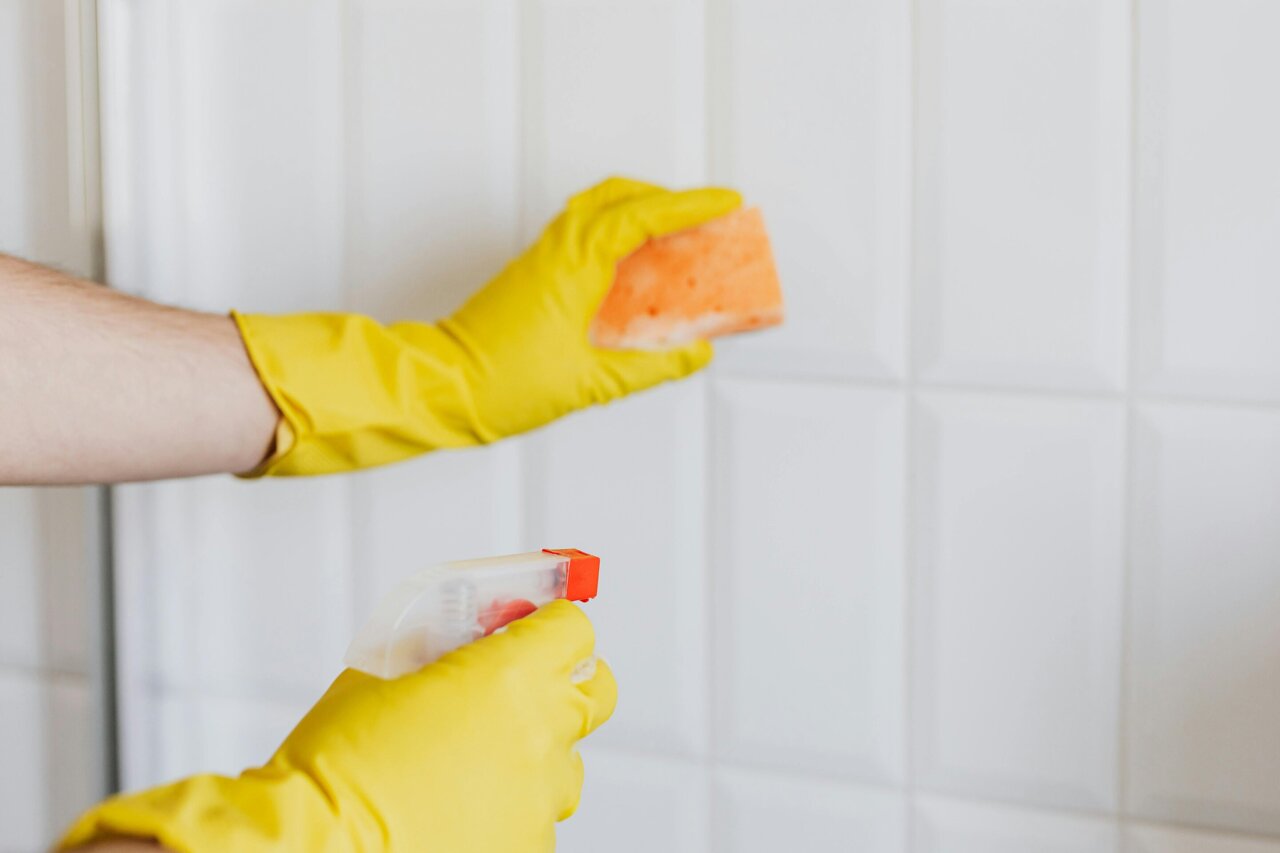
Wearing dishwashing or disposable gloves during cleaning, followed by thorough handwashing with soap and water, can further reduce exposure. Taking these precautions can significantly lower the chances of encountering harmful microorganisms in your home.

Post a Comment for "Why Is My Bathroom Soap Scum Pink? Mold or Health Risk?"
Post a Comment