Why Do Pilots Disable Autopilot Before Landing?
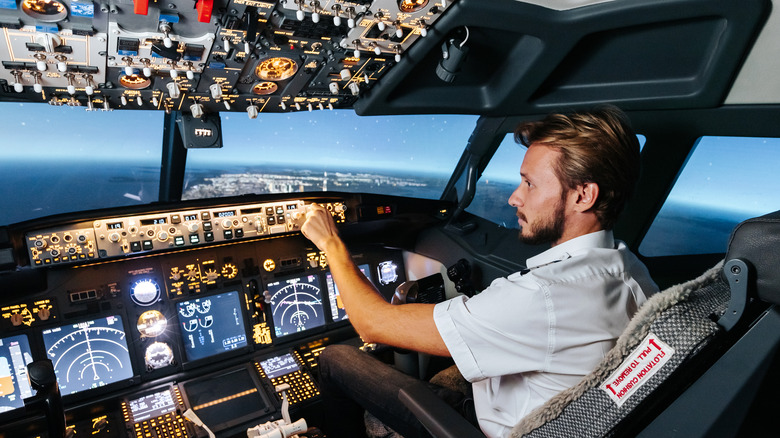
The Evolution of Autopilot in Modern Aircraft
If the concept of a self-driving car seems impressive, imagine the level of automation found in modern aircraft. While we're still in the early stages of automobile automation, autopilot technology has been around for much longer than many people realize. Today's airplanes often operate themselves, thanks to advanced systems that handle various aspects of flight.
In modern passenger jets, autopilot is typically part of a broader system known as the Automatic Flight Control System (AFCS). This system manages not only the flight path but also thrust and other critical flight controls. Although there is significant variation among these systems depending on the aircraft, most modern planes have a high degree of automation. From older models like the Boeing 747 to the latest jetliners, autopilot and AFCS are designed to reduce the pilot's workload, allowing them to focus on more complex tasks.
How Autopilot Works and Why Pilots Use It
You might wonder, isn't it the pilot's job to fly the plane? While that is true, flying a large commercial aircraft involves far more than just steering. Pilots make hundreds of decisions during a flight, including maintaining altitude, communicating with air traffic control, monitoring safety systems, tracking weather conditions, and more. Autopilot helps by handling routine tasks such as adjusting airspeed and heading, which allows pilots to concentrate on other critical aspects of the flight.
Autopilot systems often work in conjunction with other advanced technologies to provide real-time data about the plane’s speed, position, and orientation. This information enables pilots to make informed decisions when facing unexpected situations or emergencies. Additionally, autopilot can contribute to a smoother and more comfortable flight for passengers, while also improving fuel efficiency by optimizing airspeed and altitude.
The Limitations of Autoland and Why Pilots Prefer Manual Landings
Despite the capabilities of autopilot, pilots rarely rely on it for landing. Most commercial airplanes are equipped with an autoland feature, which allows the plane to land itself under certain conditions. However, this process is far more complex than simply pressing a button. Not all airports have the necessary infrastructure to support autoland, and not all planes are equipped with this capability—though most newer aircraft include it.
Even when available, autoland systems may have limitations, especially in less-than-ideal weather conditions. Pilots must be specially trained and qualified to use these systems, and they remain highly involved in the landing process. In fact, pilots often disengage autopilot before landing because this phase of the flight requires precise skills and quick decision-making. Manual landings help pilots maintain their proficiency and respond effectively to changing conditions or emergencies.
The Role of Autopilot in Modern Aviation
While autopilot plays a vital role in reducing pilot workload and enhancing flight efficiency, it is not a substitute for human expertise. Pilots are trained to use autopilot as a tool, not a crutch. By combining automation with their own skills, pilots ensure that flights are safe, efficient, and comfortable for everyone on board. As technology continues to advance, the relationship between pilots and autopilot will likely evolve, but the human element will always remain essential in aviation.

Post a Comment for "Why Do Pilots Disable Autopilot Before Landing?"
Post a Comment