Why Democrats Are in Such a Dire Situation
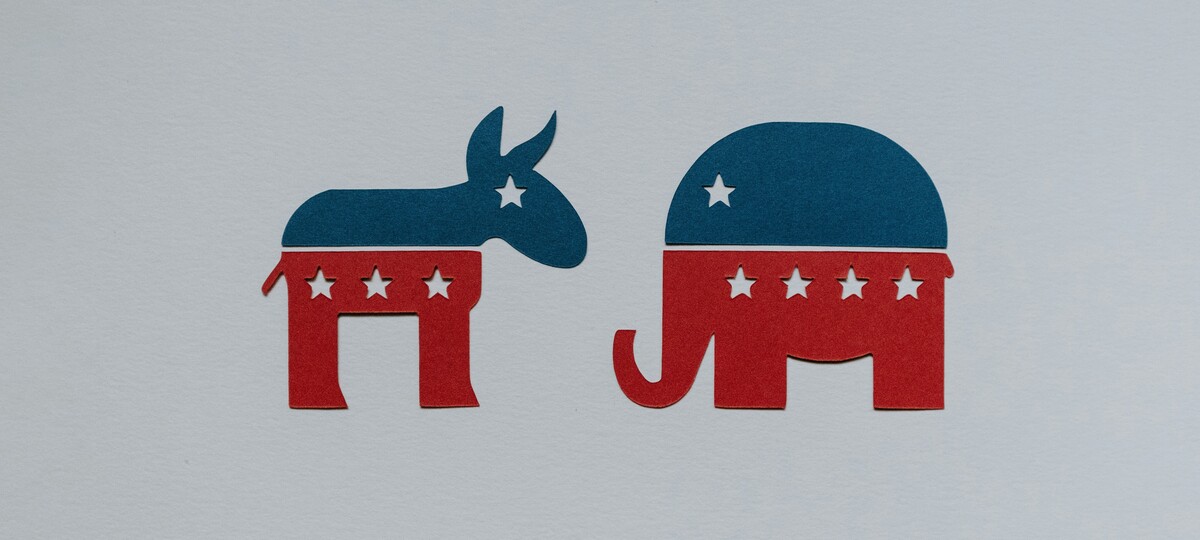
The Democratic Party's Struggle for Relevance
Since Donald Trump was reelected president in November, securing both the Electoral College and the popular vote—marking the first time a Republican has achieved this since 2004—the Democratic Party has faced a series of challenges that have left them struggling to maintain their influence. This period has been marked by shifting voter demographics, declining public support, and internal turmoil that has raised questions about the party’s future direction.
One significant issue is the shift in traditional Democratic voter bases. Groups such as Hispanics, Black voters, and particularly young men, who had long supported the Democratic Party, have increasingly leaned toward the Republican side in the 2024 elections. This shift has been attributed to various factors, including economic concerns, cultural issues, and a perception that the Democratic Party no longer represents their interests.
Polls also indicate a deepening disconnect between the Democrats and the general public. A recent report from the Wall Street Journal highlighted that 63% of registered voters believe the party is out of touch with everyday Americans. This sentiment reflects a growing frustration among voters who feel that the Democratic leadership is not addressing their real concerns.
The party's presidential candidate, Kamala Harris, has also faced criticism. Her upcoming book, "107 Days," has been met with skepticism, with critics questioning her ability to articulate her achievements during her time as vice president. This has led to doubts about the credibility of her political message and whether she can effectively represent the party’s values.
Even some of the "good" news for the Democrats has been overshadowed by controversy. Zohran Mamdani, a socialist running for mayor of New York City, has garnered attention, but his platform of defunding the police and abolishing private property has drawn sharp criticism. His recent lavish wedding on a wealthy family estate in Uganda, protected by armed guards, has further fueled perceptions of hypocrisy and elitism within the party.
The Roots of the Democratic Party's Challenges
The Democratic Party's struggles are not solely due to external factors; they are also rooted in internal issues. Over the years, the party has held significant power across various sectors, including politics, media, entertainment, and academia. This dominance has led to accusations of abuse, with critics claiming that the party has manipulated electoral processes, weaponized the justice system, and censored dissenting voices.
Additionally, the party has been accused of co-opting charitable organizations and using taxpayer funds to support policies that may not reflect the will of the American public. These actions have been facilitated by a media landscape that, despite its left-leaning bias, has often overlooked or even supported these practices, believing in its own moral superiority.
The Democratic Party's arrogance and elitism have further contributed to its decline. In 2008, the party chose Barack Obama as its presidential candidate, despite a lack of transparency regarding his background. They won twice, but this success did not lead to introspection. Instead, the party continued to rely on figures like Hillary Clinton in 2016, whose campaign was marred by allegations of corruption and deceit.
In the 2020 election, the party nominated Joe Biden, who was already showing signs of cognitive decline. By 2024, the party replaced him with Kamala Harris, who many view as one of the least effective candidates in American political history. This pattern suggests a troubling trend of choosing leaders who lack the necessary qualifications and experience.
The Exodus of Key Figures
As the Democratic Party has become more corrupt, it has also lost several prominent members. Former Congresswoman Tulsi Gabbard, attorney Robert F. Kennedy Jr., and journalists like Glenn Greenwald and Bari Weiss have all left the party, aligning themselves with the Trump administration or other conservative causes. This exodus has left the party dominated by opportunists, individuals with little conviction, and extremists whose views are widely opposed by the American public.
Despite the mounting evidence of scandals within the party, those involved seem confident that they will not face legal consequences. This belief is based on past experiences where Democratic leaders have avoided indictment, prosecution, or conviction, often benefiting from political connections and institutional support.
The Role of the Republican Party
While the focus has been on the Democratic Party's challenges, it is important to recognize the role of the Republican Party as well. Some Republicans have been criticized for their willingness to compromise on key issues in pursuit of media approval. Others share the same elitist mindset, believing they should control every aspect of American life. Additionally, some Republicans have been influenced by lobbyists seeking regime change, cheap labor, or trade policies that harm American manufacturing.
Donald Trump has capitalized on the dissatisfaction of conservative voters with the establishment Republicans, leading to the political neutering of the RINO (Republican In Name Only) faction within the GOP. This has created a vacuum that has allowed Trump's movement to gain momentum.
A Nation Without True Representation
Since the time of Ronald Reagan, there has been a noticeable absence of presidents—whether Republican or Democrat—who have genuinely looked out for American interests. Reagan, despite his initial underdog status, was forced to accept George H.W. Bush as his vice president, highlighting the complexities of political alliances.
Many left-leaning commentators initially believed that the Republican Party was dying after Trump's rise. However, astute observers recognized that the RINO faction was being replaced, while the Democratic Party was heading toward a crisis. This prediction seems to be unfolding as the Democratic Party continues to face internal and external challenges.
Ultimately, the Democratic Party's current predicament could have been avoided if there were reasonable checks on its power. As it stands, the party is collapsing under the weight of its own actions, creating a situation that may take years to recover from.

Post a Comment for "Why Democrats Are in Such a Dire Situation"
Post a Comment