Why Canned Water Never Took Off Like Bottled Water
The Rise and Limited Appeal of Canned Water
When canned water first appeared on store shelves, it was marketed as a fresh alternative to traditional bottled water. Aluminum cans, with their sleek design and cool touch, were positioned as a more eco-friendly option for environmentally conscious consumers. The idea was simple: less plastic meant a smaller environmental footprint. However, despite the initial buzz, canned water has not become a mainstream choice. Instead, it remains a niche product in the beverage aisle.
Brands like Liquid Death have taken a unique approach to marketing, blending sustainability with a sense of irony and rebellion. Their campaigns often feature heavy metal themes and appeal to music festival crowds, creating a distinct brand identity. Yet, even with these creative strategies, canned water hasn’t gained widespread popularity.
The Environmental Impact of Aluminum Cans
One of the main reasons canned water hasn’t taken off is its environmental impact. Producing aluminum cans requires significantly more energy than manufacturing plastic bottles. The process involves mining bauxite, refining it into aluminum, and then shaping it into cans—each step is energy-intensive and contributes to greenhouse gas emissions. While aluminum is technically easier to recycle, recycling rates in the U.S. remain below 50%, meaning most cans end up in landfills.
Another issue is the material composition of the cans themselves. Most aluminum cans are lined with a thin layer of epoxy resin to prevent the water from tasting metallic or corroding the can. Although this lining no longer contains harmful chemicals like BPA, it still includes other unappealing substances. This means that even if you choose canned water over plastic bottles, you’re still using a product that relies on some form of plastic coating.
Convenience vs. Sustainability
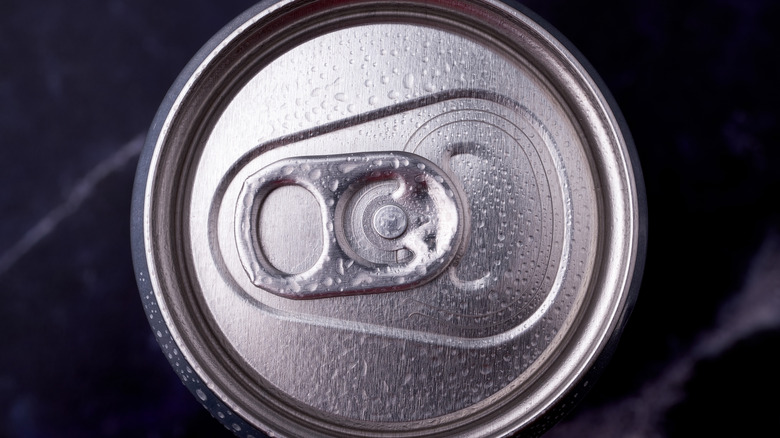
The design of canned water also presents practical challenges. Unlike reusable bottles or many plastic bottles, most canned water comes with standard pop-tops that don’t reseal. This makes them less convenient for people who want to hydrate throughout the day or on the go. While some brands offer resealable options, they are not the norm, which limits the appeal of canned water for everyday use.
Moreover, the focus on packaging often overshadows the bigger issue: both canned and bottled water are single-use products. They require significant resources to produce, transport, and dispose of. Even if one option is slightly more sustainable than the other, the fundamental problem of waste remains. Green packaging, while a step in the right direction, is often just a marketing tactic designed to ease consumer guilt without addressing the root of the issue.
The Best Solution: Reusable Bottles
Despite all the innovation and marketing around canned water, the most sustainable way to drink water is still the simplest: use a reusable bottle. By filling it up at home or a public water station, you eliminate the need for single-use containers altogether. This approach avoids the environmental costs associated with producing and disposing of cans or bottles, regardless of the material used.
Reusable bottles also offer greater convenience. They can be filled multiple times, reducing the need to constantly purchase new products. Plus, they don’t rely on recycling rates or the assumption that consumers will properly dispose of them. In a culture built around convenience, the best solution is often the most straightforward.
Conclusion
Canned water may have captured attention with its unique branding and eco-conscious messaging, but it hasn’t solved the core issues of waste and sustainability. Its limited appeal stems from factors like higher energy use, inconvenient design, and the fact that it’s still a disposable product. Until there's a shift in how we approach consumption, the most effective way to reduce environmental impact is to bring your own reusable bottle and skip the single-use drama entirely.

Post a Comment for "Why Canned Water Never Took Off Like Bottled Water"
Post a Comment