White House Uses Tulsi Gabbard to Promote Obama-Russia Narrative
The Latest Conspiracy: A "Coup" Against Trump
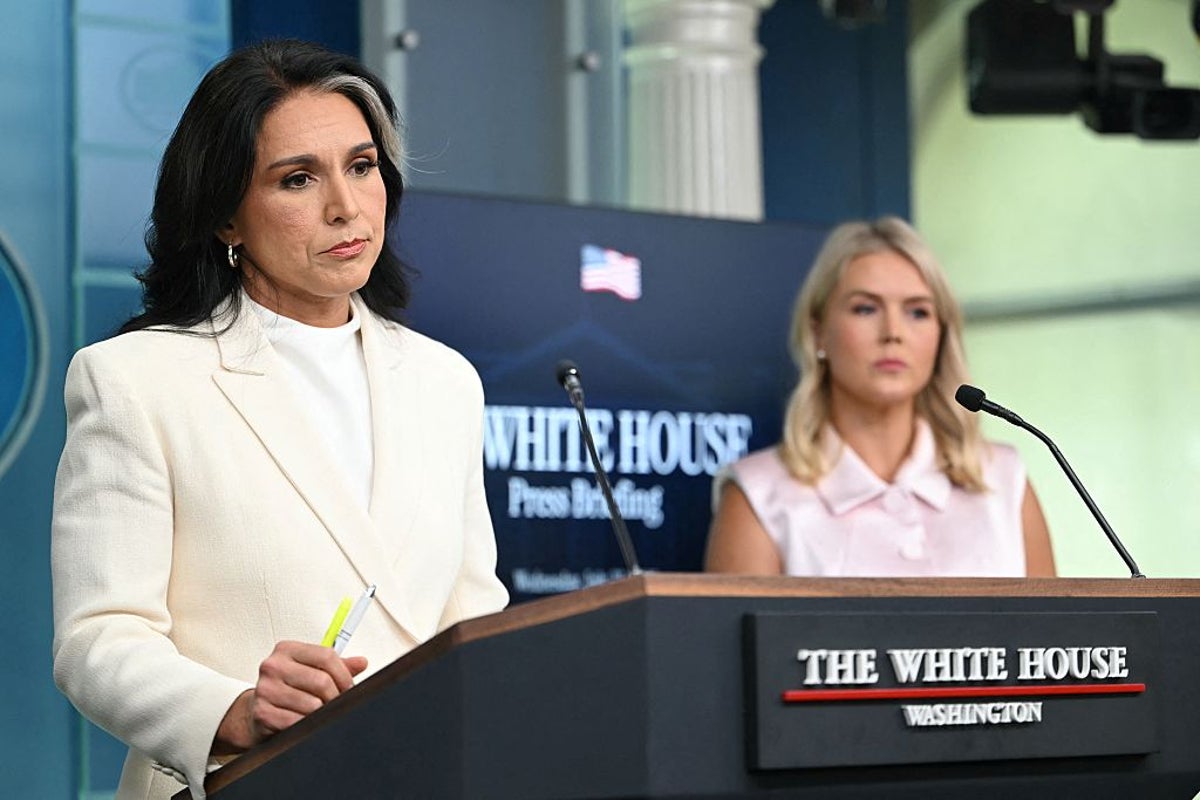
Tulsi Gabbard, the director of the U.S. intelligence community under President Donald Trump, has taken center stage in recent days, pushing a narrative that suggests a "coup" was orchestrated against Trump by former President Barack Obama. This conspiracy theory has gained traction among some within the Trump administration and has been amplified by Trump himself.
The claims are part of an apparent effort to shift attention away from ongoing controversies surrounding the death of Jeffrey Epstein, a convicted sex offender whose case has sparked widespread public interest and scrutiny. The White House has seemingly used this new narrative as a distraction, attempting to steer the conversation away from the administration’s handling of the Epstein situation.
In early July, the Department of Justice and FBI issued a joint statement confirming that no "client list" detailing Epstein's co-conspirators could be found in their records. They also reaffirmed their conclusion that Epstein died by suicide in 2019. Despite these statements, the Trump administration has continued to push alternative narratives, with Gabbard leading the charge.
On Wednesday, Gabbard stood before the press and claimed that Obama had ordered intelligence assessments to be altered to suggest that Russia had directly worked to elect Trump. She described this as a "years-long coup" orchestrated by Obama, a claim that was swiftly dismissed by Obama himself.
“There is irrefutable evidence that detailed how President Obama and his national security team directed the creation of an intelligence community assessment that they knew was false,” Gabbard told reporters. She accused the Obama administration of suppressing evidence and violating traditional intelligence standards.
Gabbard’s claims have been closely tied to a recent article published by the Wall Street Journal, which featured an alleged note from Trump to Epstein. The note, framed as an imagined dialogue between the two men, alludes to a shared “secret.” Trump has denied the authenticity of the note and filed a $10 billion lawsuit against the WSJ, its parent company News Corp, and founder Rupert Murdoch.
As the Epstein saga continues to dominate media coverage, the White House has turned its focus back to the 2016 election, specifically the FBI investigation into Trump’s campaign. Gabbard’s memo, released last week, accuses the Obama administration of lying about Russian interference in the election. However, mainstream coverage of the 2016 election largely centered on verified facts, including the hacking of the Democratic National Committee’s servers by Russian-backed hackers.
Russian influence campaigns were extensive, involving social media botnets and other tactics aimed at sowing distrust and chaos. While the intelligence community concluded that Russian agents did not attempt to directly influence vote totals through election infrastructure, Gabbard’s report seemed to conflate this with an absence of any Russian influence altogether.
On Wednesday, the director of national intelligence clarified that the Trump administration’s view was that Russian actors interfered through social media, but without a clear motive or goal. This lack of clarity raised questions about why Russia would target one political party over another if not to benefit the one that didn’t have to explain damaging internal emails.
Gabbard avoided answering questions about potential steps the administration might take next or why the president and his allies waited until statutes of limitations had likely expired on any criminal charges related to the matter. She referred questions to the Department of Justice and Attorney General Pam Bondi, whose position remains uncertain amid criticism over her comments on the Epstein case.
Neither Gabbard nor White House press secretary Karoline Leavitt could explain why the Senate Intelligence Committee, including now-Secretary of State Marco Rubio, did not find any improper changes to ODNI assessments in its 2020 report. Justice Department officials have remained quiet as the White House calls for retribution against Obama and members of his administration.
Meanwhile, the House of Representatives is leaving town early this week to avoid a vote on a bipartisan resolution that would force the administration to release the Epstein files. Trump has also been increasingly targeting his perceived foes as pressure from his base grows and accusations of a cover-up intensify.
In a now-deleted post on Truth Social, Trump criticized supporters who called for an investigation into Epstein’s accomplices, calling them “weak” and claiming he didn’t need their support.

Post a Comment for "White House Uses Tulsi Gabbard to Promote Obama-Russia Narrative"
Post a Comment