White House Hints at Peace Momentum in Ukraine, But Uncertainties Remain
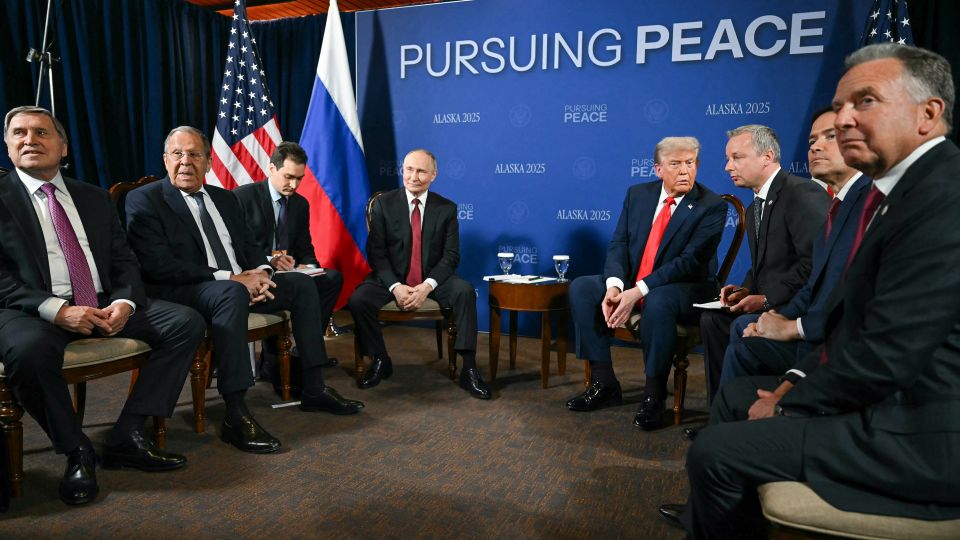
Key Agreements from the Alaska Summit
During the recent summit in Alaska between President Donald Trump, Russian President Vladimir Putin, and other international leaders, several significant agreements were discussed. One of the key participants, Steve Witkoff, a foreign envoy for Trump, shared insights about the discussions that took place behind closed doors. According to Witkoff, the talks resulted in notable progress toward a potential peace agreement with Ukraine.
Witkoff highlighted that Putin had agreed to include "robust" security guarantees as part of an eventual peace deal. This includes a provision that would allow for collective defense of Ukraine by the United States and Europe if Russia attempts another invasion. He described these security measures as "game-changing," emphasizing their importance in ensuring long-term stability in the region.
Another major point of discussion was the commitment from Russia to "legislative enshrinement" of a promise not to invade Ukraine or any other European country in future peace plans. However, these details have not been publicly acknowledged by Russian officials, raising questions about the credibility of such promises.
The Role of the U.S. and European Leaders
The summit's outcome has sparked considerable debate about how seriously Russia is committed to reaching a peace agreement. Given Russia's history of violating previous accords, many remain skeptical about the sincerity of Putin’s proposals. Additionally, there are concerns about what specific concessions Trump is willing to make to prevent further aggression against Ukraine.
Trump initially expressed disappointment if no ceasefire was reached during the talks, threatening "severe" consequences for Russia if the conflict continued. However, after the meeting, he shifted his focus from an immediate ceasefire to a broader peace agreement. Witkoff attributed this change to the significant progress made during the discussions, which included essential elements needed for a comprehensive peace deal.
Differing Perspectives on Peace
While Witkoff remained optimistic about the potential for a peace agreement, other U.S. officials took a more cautious approach. Secretary of State Marco Rubio, who also participated in the talks, noted that while progress was made in identifying areas of agreement, there were still substantial disagreements. He emphasized that the path to a peace deal remains long and uncertain.
Rubio warned that any agreement to end the war would likely disappoint both sides. He suggested that certain demands from Russia and Ukraine may not be fully met, making the process complex and challenging. He also cautioned that imposing new economic sanctions on Russia could derail the ongoing diplomatic efforts, as it might prevent further dialogue with Russian officials.
Upcoming Discussions at the White House
The agreements discussed during the Alaska summit will be central to the meetings scheduled for Monday between Trump and Ukrainian President Volodymyr Zelensky. A large delegation of European leaders, including the heads of France, Germany, the United Kingdom, Italy, Finland, the European Union, and NATO, will accompany Zelensky for these discussions.
Trump has already outlined his expectations for the talks, stating that Zelensky must agree to some of Russia’s conditions for ending the war. These conditions include Ukraine ceding Crimea, which Russia illegally annexed in 2014, and agreeing never to join NATO. These are among the key demands set by Putin for a resolution to the conflict.
European leaders have urged Trump to follow through on his threat of imposing economic penalties on Russia. However, Rubio cautioned that such actions could jeopardize the progress made so far, as they might lead to the cessation of all diplomatic talks with Russia.
Security Guarantees and Future Considerations
A breakout session during Monday’s talks will focus on options for security guarantees for Ukraine. These assurances are seen as crucial for ensuring that Russia cannot re-invade the country once a peace deal is in place. Witkoff mentioned that the clause agreed upon by Russia resembles NATO’s Article 5, which states that an attack on one member is an attack on all. This arrangement is considered a workaround for Russia’s insistence that Ukraine never join NATO.
The specifics of what the United States will contribute to the security infrastructure for Ukraine remain unclear. Trump has previously stated that American troops will not be deployed in Ukraine, and he has emphasized that European nations should take the lead in protecting the country.
Some officials believe that a robust security framework for Ukraine could help Zelensky accept certain land concessions as part of a peace deal. While Putin has not abandoned his maximalist demands, including the complete surrender of the eastern Donbas region, Witkoff noted that some concessions were made during the talks. He suggested that the Russians now favor "land swapping" at the current front lines rather than administrative boundaries.
As the discussions continue, the outcome of these negotiations will play a critical role in shaping the future of the conflict and the stability of the region.

Post a Comment for "White House Hints at Peace Momentum in Ukraine, But Uncertainties Remain"
Post a Comment