Where Lies the World's Largest Cruise Ship Graveyard?
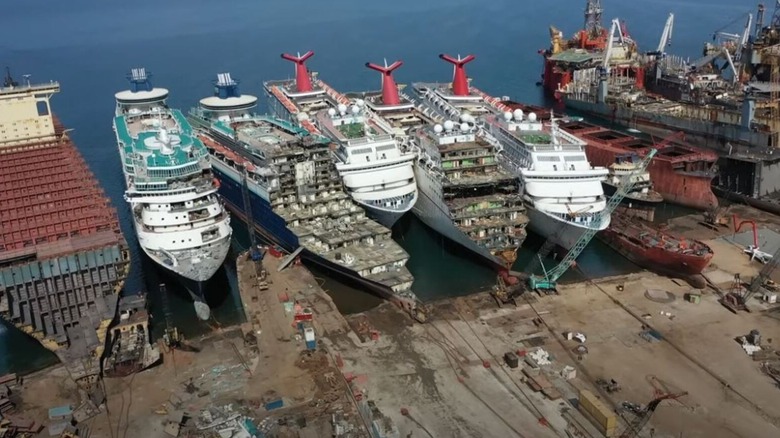
The Lifecycle of Cruise Ships and the Role of Shipbreaking Yards
As of 2023, there were over 450 cruise ships operating across the globe, each offering a range of itineraries that can last anywhere from a few days to more than ten. These vessels are designed for comfort and entertainment, allowing passengers to experience different destinations without the hassle of packing and unpacking. However, despite their luxurious appeal, cruise ships are not immune to the effects of time and environmental challenges.
Like all marine vessels, cruise ships face degradation due to exposure to seawater, harsh weather conditions, and the continuous operation required to keep them running smoothly. This wear and tear, combined with the natural limits of their design, means that these massive structures eventually reach the end of their operational life. When this happens, they are typically retired and sent to shipbreaking yards for dismantling.
Why Cruise Ships Are Retired
Cruise ships are complex machines that require significant maintenance to remain functional. While their average usable lifespan is around 30 years, other factors can lead to earlier retirement. Technological obsolescence is one such factor—older ships may become inefficient or incompatible with modern systems, making continued operation costly. Additionally, unforeseen events, such as accidents or damage from extreme weather, can also result in a ship being decommissioned.
Not all retired cruise ships are immediately scrapped. Some are sold to smaller cruise companies or repurposed for other uses after undergoing renovations. This allows for a second life for the vessel, reducing waste and extending its value.
The Alang Shipbreaking Yard: A Major Player in the Industry
One of the most well-known shipbreaking facilities is the Alang shipyard, located in Gujarat, India. Established in 1983, this facility has become a key player in the global ship recycling industry. Its strategic location in the Cambay Gulf makes it ideal for shipbreaking, thanks to favorable climate conditions, tidal patterns, and sufficient water depth.
The Alang shipyard spans an area of approximately 9.3 miles and houses 135 different shipbreaking yards. It provides employment for around 15,000 individuals and accounts for nearly 98% of India’s ship recycling business. This highlights the economic importance of the site, both locally and globally.
The Process of Scrapping a Cruise Ship
The process of scrapping a cruise ship at Alang begins with detailed documentation and cataloging of the vessel and its components. This includes identifying valuable parts such as engines, which are often among the most sought-after items for reuse.
Once the inventory is complete, the ship is cut into smaller sections using tools like acetylene cutting torches and mechanical equipment. The materials are then sorted based on type—metal, plastic, glass, and others. For steel, which makes up 75-85% of a ship’s total weight, additional processing is required before it can be recycled.
The entire process can take several weeks or even months, depending on the size of the ship. This timeframe is similar to the time it would take to build a new cruise ship from scratch.
Recycling and Environmental Considerations
Alang is capable of recycling about 75% of the steel it recovers from scrapped ships. This recycled material is reprocessed into various products used in construction, shipbuilding, and other industries. For materials that cannot be recycled, such as toxic substances or those with no market value, the yard has specialized facilities to handle them safely.
While shipbreaking provides a cost-effective way to recover materials, it also raises concerns about its impact on human health and the environment. The industry must continue to improve safety measures and adopt cleaner practices to mitigate these risks.
Economic Value of Scrapping
Scraping a cruise ship can generate significant revenue. Depending on the size and condition of the vessel, the proceeds can range from one to eight million dollars. In contrast, selling a used cruise ship can fetch up to $162 million, making it a lucrative option for some owners.
Despite the financial benefits, the shipbreaking industry must balance economic gains with environmental and social responsibilities. As the demand for cruise travel continues to grow, so too does the need for sustainable solutions in the lifecycle of these massive vessels.

Post a Comment for "Where Lies the World's Largest Cruise Ship Graveyard?"
Post a Comment