Where Do Butterflies Hide in the Rain?
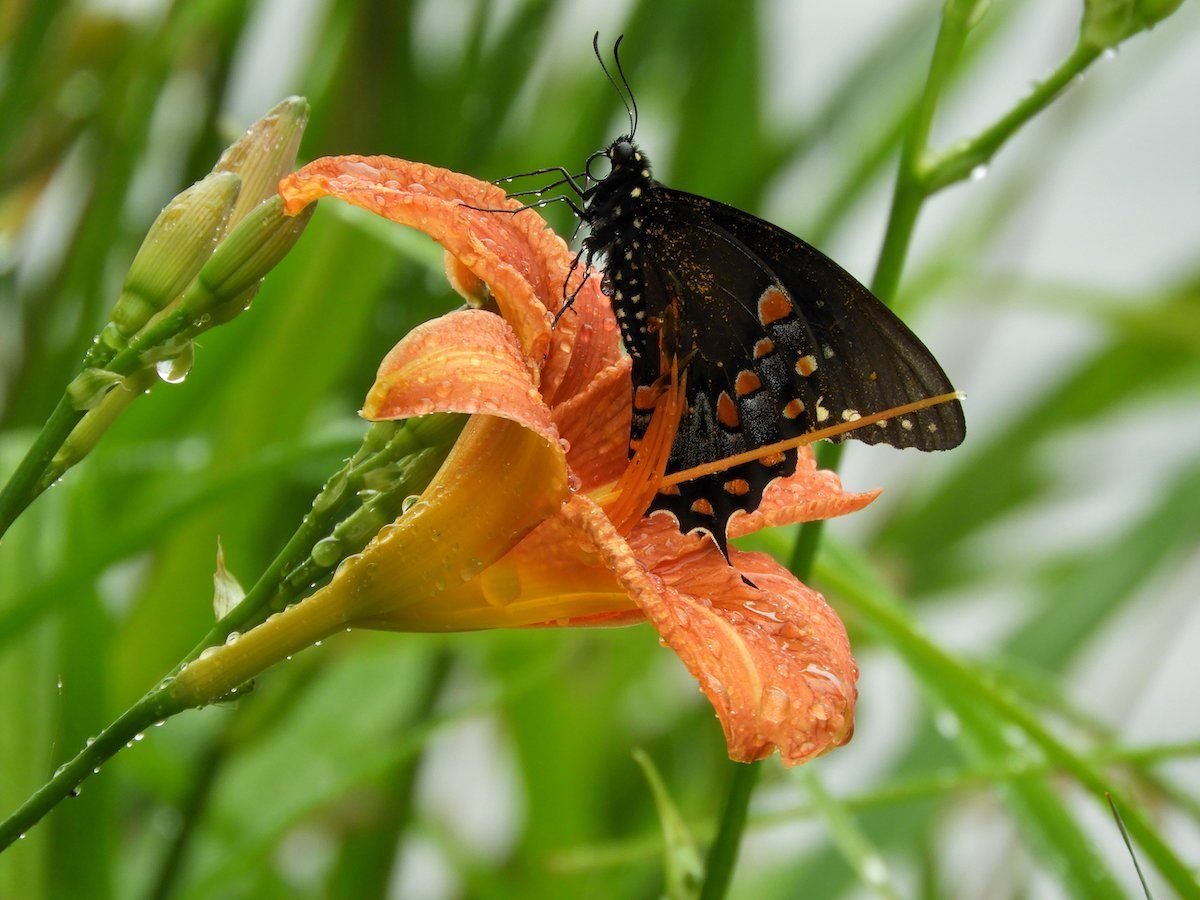
Understanding Butterfly Behavior During Rain
When it rains, butterflies face a unique challenge. These delicate creatures are not built to withstand heavy downpours, and they often seek shelter to protect themselves from the elements. As an expert at a butterfly free-flight exhibit, I frequently encounter questions about how these insects survive during storms. The answer lies in their natural instincts and the environment they inhabit.
Butterflies are small and fragile, with a weight that can be as light as 500 milligrams for a monarch butterfly. A single raindrop, weighing around 70 milligrams, can have a significant impact on them. Imagine a human being hit by a water balloon that is twice the mass of a bowling ball—this gives an idea of what a raindrop feels like to a butterfly.
Natural Shelter for Butterflies
When the skies darken, butterflies instinctively look for shelter. They may cling to the undersides of leaves, climb into tall grasses, or find a safe spot in cracks of rocks or trees. This behavior helps them avoid strong winds and heavy rain. Their feet have a remarkable grip, allowing them to stay in place while they wait out the storm.
Caterpillars also follow similar patterns, typically staying close to their host plants. However, extreme weather conditions can disrupt this balance. Hurricanes, for instance, can cause significant damage to habitats, especially in coastal areas where saltwater flooding can destroy both host and nectar plants. In places like the Florida Keys, species such as Schaus Swallowtails and Klot’s Palatka Skippers face challenges when their limited ranges are affected by such events.
Despite these challenges, most butterfly species have large ranges, which allows them to repopulate areas affected by storms. If a storm causes a die-off in one region, butterflies from nearby areas can quickly move in and restore the population once the habitat recovers.
Creating a Safe Environment for Butterflies
As a butterfly gardener, you can play a crucial role in supporting these pollinators during stormy weather. Ensuring your garden has spaces for butterflies to take shelter is essential. Trees, whether dead or alive, tall grasses, and even rock piles can serve as excellent hiding spots. These shelters also provide a place for butterflies to rest at night.
Do Butterfly Houses Help?
You might have seen butterfly houses available for purchase, often sold alongside birdhouses. These structures are designed with slits for butterflies to enter and sometimes include perches for them to cling to. While some people opt for ready-made wooden butterfly houses, butterflies are more likely to use natural areas such as tall ornamental grasses or sturdy shrubs.
Sue Gronholz from Beaver Dam, Wisconsin, questions whether butterfly houses are practical or just a wishful idea. Experts Kenn and Kimberly Kaufman suggest that while most butterflies survive the winter in eggs, caterpillars, or pupae, a few hibernate as adults. Species like mourning cloaks, commas, question marks, and tortoiseshells may use butterfly houses if they feature vertical grooves in the wood. However, it's challenging to assess their effectiveness since butterflies may slip inside during fall and remain hidden for weeks.
About the Experts
Kenn and Kimberly Kaufman are renowned bird experts for Birds & Blooms. They are the creators of the Kaufman Field Guide series and lead birding trips worldwide. Their insights provide valuable guidance for those interested in understanding and supporting wildlife, including butterflies.

Post a Comment for "Where Do Butterflies Hide in the Rain?"
Post a Comment