When and How to Replace Your Riding Lawn Mower Blades
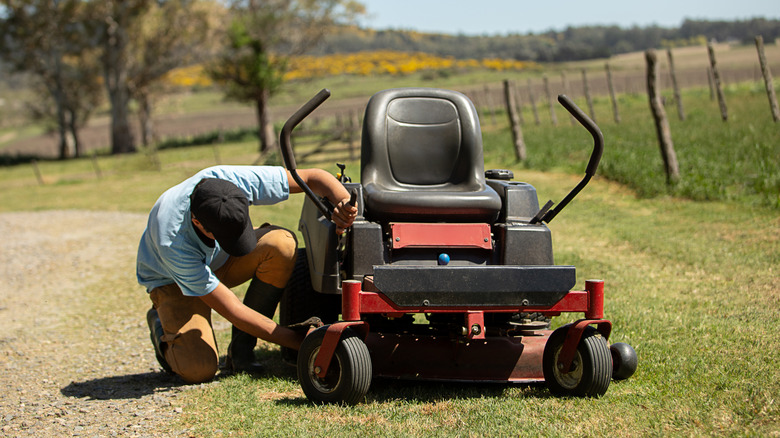
Understanding the Lifespan of a Riding Lawn Mower
When you invest several thousand dollars in a riding lawn mower, it's essential to ensure that you're getting the best performance and longevity from your purchase. The lifespan of a riding mower can vary significantly depending on how often it is used. On average, you can expect a well-maintained riding mower to last anywhere between 8 to 20 years. Proper maintenance plays a crucial role in extending this lifespan.
Key Maintenance Practices for Riding Mowers
Maintaining your riding mower involves a variety of tasks, such as cleaning the air filter, changing the oil, and inspecting the spark plug. These steps help keep the machine running smoothly and efficiently. Another important aspect of maintenance is ensuring that the blades are in good condition. Installing new blades can lead to more efficient mowing sessions and contribute to the overall longevity of the machine.
Sharp blades not only improve the quality of your lawn but also reduce damage and stress on the grass. This makes it easier for the grass to recover after mowing. However, determining when to replace the blades is an important consideration.
How Often Should You Replace Riding Mower Blades?
Most users replace their riding mower blades every one to two years. However, those who use the mower frequently—several hours per week—may need to replace them more often. Instead of immediately replacing the blades, it's worth looking for warning signs that indicate they need sharpening. These signs include uneven trimming or brown, frayed edges on the grass.
Sharpening the blades twice a year is generally a good rule of thumb. However, some manufacturers do not recommend sharpening and may suggest replacement instead. It's important to follow the guidelines provided by the manufacturer to avoid damaging the mower.
Signs That Blades Need Replacement
Even if you prefer sharpening your blades, there are situations where replacement is necessary. If the blades are bent or have dented edges, they may be out of balance, which can cause damage to the machine. In such cases, replacement is the safer option. Cracks or significant rust on the blades also indicate that they should be replaced.
Over-sharpening can weaken the metal and make the blade more prone to damage. If the blade becomes too thin due to excessive sharpening or contact with debris, it could snap during use, posing a risk of injury to anyone nearby.
The Benefits of Replacing Blades
For some individuals, replacing the blades may be more convenient than sharpening them. Most people need to remove the blades from the mower deck to work on them, as sharpening them without removal can be challenging. If you're already taking the time to remove the blades, replacing them might save you time compared to using a DIY sharpening tool or taking them to a local hardware store.
Step-by-Step Guide to Replacing Riding Mower Blades
Before starting the process of replacing blades, it's crucial to prioritize safety. Always refer to the instructions provided by the manufacturer for your specific model. Ensure that you order replacement blades that match the serial number and model of your mower.
Unlike walk-behind mowers, which can be tilted on their side to access the blades, riding mowers require different techniques. Some users drive the mower onto car ramp jacks or over a ditch in the yard. However, this method can be risky if the mower slips. The safest approach is to remove the deck by taking off the hex bolts, hairpin cotters, and washers that secure it in place.
Once the deck is removed, flip it upside down carefully to access the nuts holding the blades. Use a piece of wood to prevent the blades from spinning while loosening the nut with a wrench. The nut should turn counterclockwise as it loosens. Align the holes in the new blades with the shaft and reattach the nut. Follow the torque settings provided in the instruction manual to avoid over-tightening, which can make future removal difficult.
After securing the new blades, reattach the deck and test the machine. With proper installation, your riding mower should be ready for use.

Post a Comment for "When and How to Replace Your Riding Lawn Mower Blades"
Post a Comment