What We Know About the US Space Force's Orbital Aircraft Carrier Concept
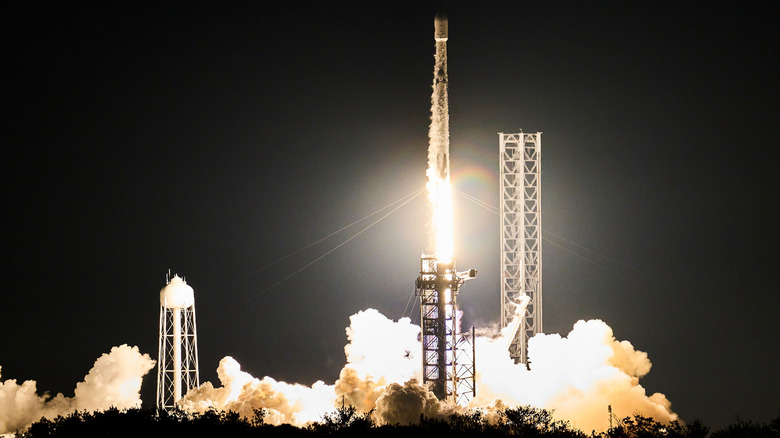
The United Space Force and Gravitics Unveil Orbital Carrier Initiative
The United Space Force has formed a groundbreaking partnership with Gravitics, a Seattle-based startup, to develop the first-ever spacecraft carrier platform known as the "Orbital Carrier." This ambitious project is backed by a $60 million Strategic Funding Increase (STRATFI) award from SpaceWERX. The goal of this initiative is to create a pre-positioned launch platform that operates within Earth’s orbit, enabling the deployment of multiple maneuverable spacecraft directly from space.
This innovative approach aims to provide the Space Force with a rapid-response capability for replacing or supplementing satellites in critical missions. Unlike traditional satellite launches from Earth, which are often affected by scheduling constraints and weather-related delays, the Orbital Carrier will operate independently of these limitations. This means that the platform can be ready to deploy spacecraft at a moment’s notice, significantly reducing the time between identifying a need and launching an operational satellite into service.
Strategic Importance and Operational Advantages
The Orbital Carrier concept aligns with the Space Force's broader vision of maintaining a tactical advantage in space operations. By having a carrier already in orbit, the U.S. military can respond more swiftly to threats or gaps in its satellite network. According to Gravitics, the platform could deploy satellites or other payloads within hours of a decision, eliminating the need for lengthy ground-based launch preparations.
This capability is particularly relevant in light of past missions such as the 2023 VICTUS NOX mission, which successfully launched a payload less than 27 hours after receiving orders. The Orbital Carrier is also expected to complement ongoing efforts like the VICTUS HAZE program, a U.S. Space Force mission focused on proving in-orbit maneuverability and threat response capabilities.
By enabling faster deployment of communications, navigation, and surveillance systems, the Orbital Carrier could significantly enhance the U.S. military’s ability to maintain operational strength in contested space environments. This would allow for quicker recovery from potential satellite sabotage or unexpected issues, providing a strategic edge in the evolving domain of space security.
International Reactions and Concerns
Despite assurances from the Space Force and Gravitics that the system is intended for defensive and logistical purposes only, the initiative has sparked concerns among several international actors. China and Russia have raised alarms, with Chinese military outlets warning that the development could escalate an arms race and encourage other nations to take defensive actions. They argue that the project may destabilize space security by intensifying military competition in outer space.
France and the European Union have also called for the establishment of international rules governing space activities to prevent conflicts. India has echoed similar sentiments, emphasizing that space exploration should remain a peaceful endeavor in line with its ISRO space policy.
Technical and Financial Uncertainties
While the project has garnered significant attention, many technical details about the Orbital Carrier remain unclear. Questions regarding its payload capacity, methods for orbital assembly, and servicing capabilities have yet to be answered. Additionally, the total cost of completing the project beyond the initial investment has not been disclosed.
As the development progresses, the success of the Orbital Carrier will depend on overcoming both technical challenges and international skepticism. If realized, this initiative could mark a major shift in how space is utilized for military and strategic purposes, reshaping the landscape of space operations for years to come.

Post a Comment for "What We Know About the US Space Force's Orbital Aircraft Carrier Concept"
Post a Comment