What to check before buying a car to avoid water damage
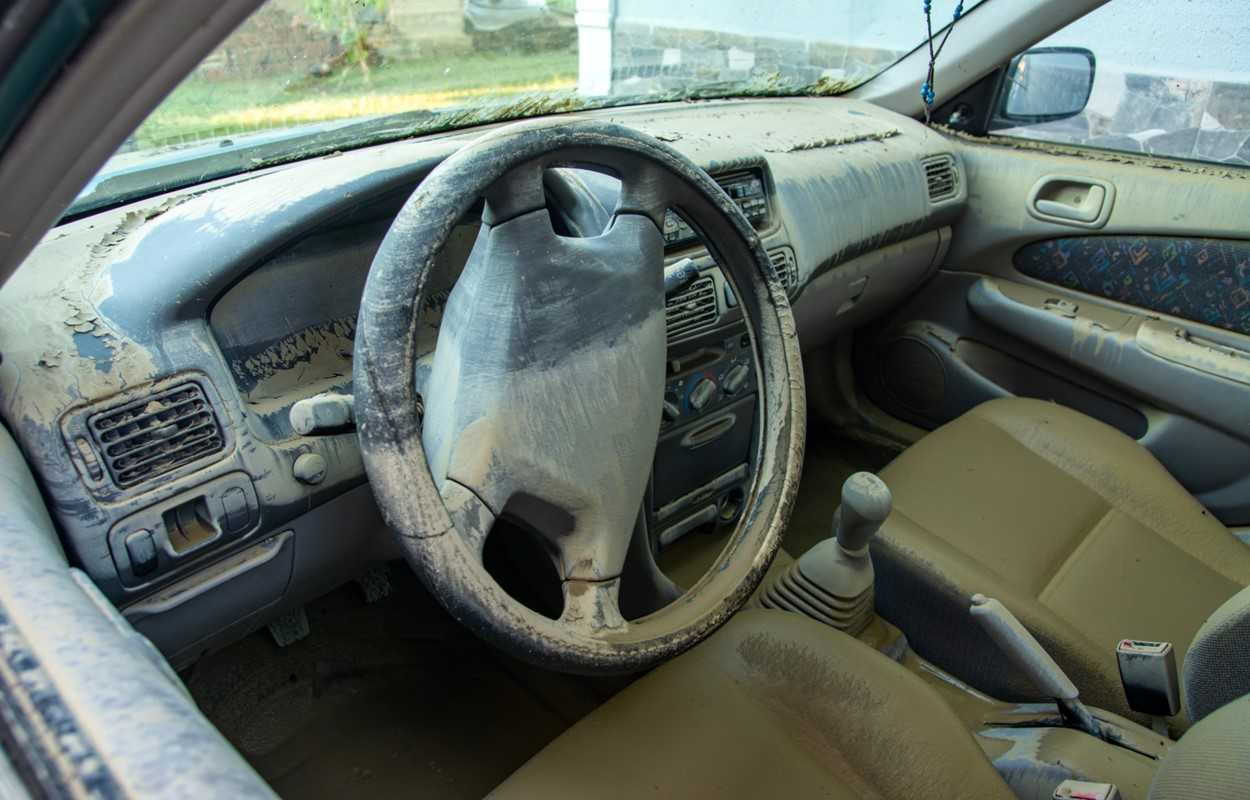
Understanding the Risks of Flood-Damaged Vehicles
Many people may not consider purchasing a flood-damaged car, but some do — often without realizing the potential dangers. The AAA Mid-Atlantic is issuing a warning to car buyers as more than 3,000 flash flood warnings have been issued across the U.S. by mid-July. This number is the highest on record for this time period since the modern alert system was introduced in the mid-1980s.
Why This Matters
Potential car buyers should be aware that even vehicles that were only partially submerged can pose serious safety risks and are difficult to detect. Modern vehicles are equipped with advanced technology, including wiring systems, sensors, and electronic modules located throughout the car, such as behind bumpers and fenders. Water intrusion into these systems can lead to significant, costly, and potentially irreparable damage.
In addition to electrical components, engines and other mechanical parts can also suffer severe damage or become inoperable due to water exposure. Repairing flood damage often costs more than the vehicle is worth, and insurance companies may classify the vehicle as a total loss.
Flood-damaged vehicles typically receive a salvage or flood title, depending on the state, and are often recycled for parts or crushed for scrap. However, some of these vehicles end up being sold on the used car market. While sellers may make repairs to get the car running and looking good, hidden issues can eventually affect the new buyer.
How to Avoid Buying a Flood-Damaged Car
To avoid purchasing a flood-damaged car, AAA offers several recommendations:
- Choose a reputable car dealer.
- Be especially cautious when buying an out-of-state vehicle.
- Smell for signs of mold or mildew.
- Check upholstery and door panels for water stains, mud, rusted screws, or mismatched fabric and carpeting.
- Look under the trunk and carpets for dirt, sand, mildew, or other signs of water damage.
- Examine seatbelts for mildew, water spots, or dirt. Pulling the belt fully out may reveal watermarks or signs of water intrusion.
- Test electrical components such as window and seat controllers, turn signals, radio, and air conditioning.
- Look for rust inside the hood and around doors, hinges, and screws.
- Check for fog or moisture inside headlights, taillights, and turn signal lights.
- Have a mechanic conduct a thorough inspection of the vehicle.
AAA also suggests obtaining a free VINCheck vehicle report from the National Insurance Crime Bureau. By entering a vehicle identification number, buyers can check if a vehicle has been reported as salvage or flood-damaged by NICB-member insurance companies. However, it's important to note that VIN fraud can occur, where VINs are switched or altered.
In addition to the VINCheck, CARFAX reports can provide more detailed information about a vehicle, including major accidents, previous owners, mileage rollbacks, and manufacturer recalls. The old saying "if a deal seems too good to be true, it probably is" applies here. A suspiciously low price could indicate that the seller is trying to offload a vehicle with potential future problems.
"It can take many months to over a year for flood-damaged cars to reach the market. Buyers should always thoroughly inspect vehicles before purchasing," said Perricone.
What to Do If Your Car Was Damaged in a Flood
If your car was damaged in a flood, the first step is to contact your insurance company for guidance, provided you have comprehensive coverage. Damage caused by floodwater is typically covered only if you have the optional comprehensive coverage as part of your auto policy.
Before arranging for a tow, AAA recommends finding a repair facility that accepts flood-damaged vehicles. Take pictures of any visible damage, including water inside and around the vehicle, if it is safe to do so.
When it comes to what not to do, avoid trying to start the vehicle, as this could cause the engine to take in water and result in further damage. A qualified technician will perform inspections before starting the car to check for water contamination in mechanical and electrical components, as well as fluids.
For more information on how to find a qualified mechanic, visit online resources that provide guidance on this topic.

Post a Comment for "What to check before buying a car to avoid water damage"
Post a Comment