What This 1962 Film Got Right About San Francisco
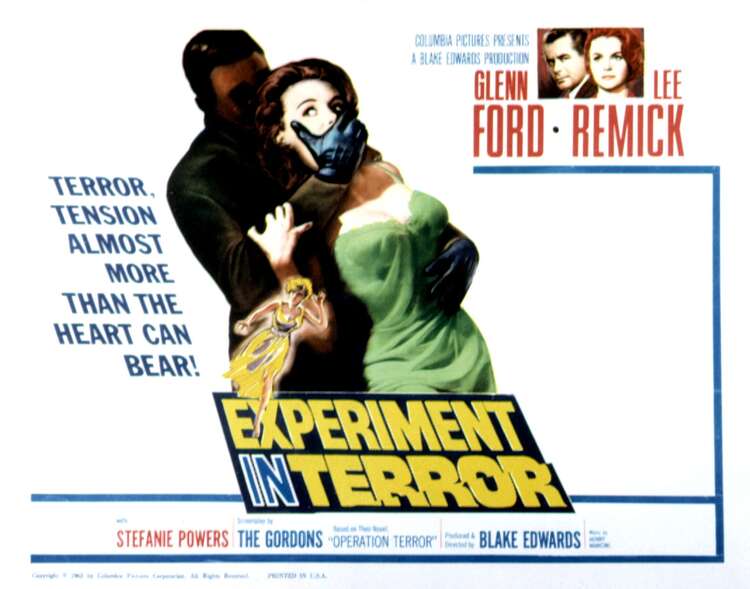
A Gritty Portrait of San Francisco in "Experiment in Terror"
Blake Edwards is often associated with lighthearted films such as "Breakfast at Tiffany's" and the "Pink Panther" series. However, he also directed a film that holds a special place in the history of noir cinema: "Experiment in Terror." This 1962 movie, set in San Francisco, offers a unique glimpse into the city during a time when filmmaking was largely studio-based.
The film, which I recently rewatched after a suggestion from a reader, stands out for its authentic portrayal of San Francisco. Unlike many other films that relied on artificial backdrops or awkward editing, "Experiment in Terror" uses the city's real streets and landmarks in a way that feels both imaginative and grounded. It showcases how San Francisco's geography and atmosphere can be integral to a story.
One of the most striking elements of the film is its use of fog. While earlier noirs like "The Maltese Falcon" and "Dark Passage" used fog to create an atmospheric mood, "Experiment in Terror" makes it a central part of the plot. At one point, the fog interferes with police surveillance, adding a layer of tension and realism to the narrative.
The film opens with a shot of the Bay Bridge at night, setting a tone that is far from the typical picturesque depictions of San Francisco. This choice signals a deliberate effort to focus on the city's grittier aspects rather than its more glamorous landmarks. The Golden Gate Bridge may be iconic, but the Bay Bridge serves as a powerful symbol of the city's industrial and urban character.
Lee Remick plays Kelly, a bank teller who becomes the target of a terrifying threat. After parking her car in the garage of her home in Clarendon Heights, she is confronted by a maniac who demands $100,000 in embezzled funds. This setup creates a sense of urgency and danger that drives the film forward.
Eddie Muller, a well-known host and author on film noir, has noted that the villain in "Experiment in Terror," played by Ross Martin, represents a new kind of antagonist—one that is irrational and driven by pure malevolence. This character foreshadows the types of villains seen in later noir films and beyond.
In terms of storytelling, the film is straightforward. It centers on Kelly's predicament and the efforts of FBI agent Glenn Ford to prevent further harm. The narrative builds tension through a series of events that take place across various locations in San Francisco.
Key scenes include visits to the Crocker Bank (now Wells Fargo), George Washington High School, Varni's Roaring Twenties nightclub, St. Francis of Assisi church, and Alioto's on Fisherman's Wharf. These locations are seamlessly integrated into the film, highlighting the city's diverse neighborhoods and landmarks.
The climax of the film takes place at Candlestick Park, where the action unfolds during a real game between the San Francisco Giants and the Los Angeles Dodgers. This unique setting allows the audience to witness the film's resolution amidst a live crowd, adding an extra layer of authenticity.
San Francisco noir, as depicted in "Experiment in Terror," typically ends with a restoration of moral order. Unlike some nihilistic narratives, this film offers a sense of hope. Even in the darkest moments, there is always a belief in justice and the possibility of redemption.
"Experiment in Terror" remains a significant work in the genre, not only for its storytelling but also for its authentic depiction of San Francisco. It captures the essence of the city in a way that few other films do, making it a valuable piece of cinematic history.

Post a Comment for "What This 1962 Film Got Right About San Francisco"
Post a Comment