What Now That My Kids Are Gone? Empty Nester Dad's Guide
The Transition to Empty Nesting
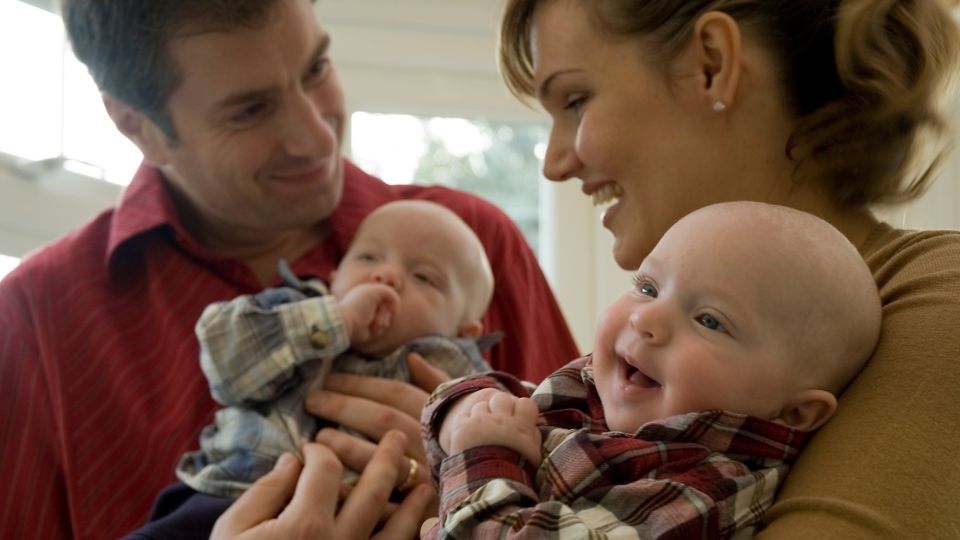
This month, our twin boys — our only children — will leave home and head off to university. For the first time in 19 years, just the two of us and our 12-pound Maltese Shih Tzu will be the sole occupants of our family home. The laughter and music that have filled the space for so long will be gone, and my wife and I will step into a new and uncertain chapter of life. We will become empty nesters.
At first glance, this might seem like a dramatic shift, but we are trying to approach it with optimism and preparation. We’ve been discussing our future dreams, exploring restaurants we’ve never had time to visit, and even ordered pickleball paddles. Still, there is an undeniable sense of finality that has been building up over the years. The concept of empty nesting carries with it a mix of heartache and uncertainty, and it’s hard to ignore that feeling as the transition approaches.
As high school graduation neared last May, we were hit by a wave of nostalgia. Social media feeds were flooded with images of the first day of kindergarten and the last day of 12th grade, creating a bittersweet reminder of how quickly time has passed. My wife even described a sharp emotional pain in the grocery store when she bought a packet of brown paper lunch bags for the last time. It truly feels like only yesterday that our boys arrived together, their births announced to the world by my colleagues at HAWXTECH. Since then, we’ve often wondered if they’ll be ready when it’s time for them to take off on their own. But maybe the more important question is: Are we ready?
I often think of an old friend in London who raised five children over about 25 years. When the last one left, she turned to her husband and, for the first time in a quarter of a century, asked, “So, how are you?” That moment encapsulates the emotional shift that many parents experience during this phase.
Empty nesting is not a new phenomenon; it was reportedly coined in 1914 and became more widely recognized in the 1970s. However, we may be the first generation to openly discuss it. Former First Lady Michelle Obama recently shared how she used therapy to navigate the transition after launching her daughters into the world. Celebrity chef Gordon Ramsay admitted he was so sad when his son went off to university that he went into his son’s bedroom and put on a pair of his underwear. His honesty highlights a common misconception that only mothers feel the emotional weight of empty nesting.
British author Celia Dodd, who updated her 2011 book "The Empty Nest: How to Survive and Stay Close to Your Adult Child," shared insights about how fathers often cope quietly but may be struggling the most. She recalled a time when her eldest son left home, and her husband seemed overly optimistic. “He was going, ‘It’s great, they’ll have a great time.’ Whereas in fact, he was feeling just as sad as I did.” Many men may feel pressure to support their partners and children without expressing their own emotions.
While the bond between mothers and their children is deeply rooted, the emotional impact of empty nesting is universal. Parents often report a sense of loss in the weeks following their children's departure. Comedian Jim Gaffigan joked that empty nesters often sound like they’re describing a hurricane: “My wife and I thought we were prepared; we lost everything!” Madonna, while less dramatic, compared the experience to losing an arm.
After coming to terms with the loss, many parents face an identity crisis. As Dodd wrote, “To me, it was glaringly obvious that parting from a child who has been the center of your life for twenty-odd years is a really big deal.” This transition requires another massive readjustment of self and place in the world.
Modern family dynamics have changed significantly since my parents’ generation. Dodd observed that many contemporary parents are closer to their children than previous generations were to their own parents. They are more involved in their lives and some even want to be friends with them.
I am immensely proud of my sons and excited for their future. While it will be hard to let go, I recognize that shifting the dynamic in our family relationship is crucial. They know we are always here if they need us, but we don’t intend to check in every day.
Another concern is the increasing divorce rate among empty nesters. During a recent trip to London, some friends mentioned several peers who had recently separated. While anecdotal, the number of cases seemed alarmingly high. Why do seemingly strong couples struggle when they are alone at home? Dodd noted, “Suddenly you’re on your own and you look at each other and realize you haven’t paid much attention to each other for years.”
I want my kids to succeed and find their independence. The ultimate parental dream is to see our children soar. My sons have shown emotional maturity by asking if we’ll be okay when they’re gone. Such awareness signals that they will be fine on their own.
Having thought about this transition for many years, I no longer fear it. In fact, I’m learning to embrace it. Planning and preparation are important, as is the mindset—rather than “filling a hole,” we should focus on finding purpose.
Intentional date nights are already back on the calendar, and my wife is excited to dedicate her full time to her art career. My creative space is the yard and garden, so finally the plants will have my full care and attention. I’m also one step closer to keeping the beehives I’ve been dreaming about. For the coming months, we’ve booked tickets to ghost tours, shows, and even a gig in Canada, which seems very rock 'n' roll.
While the Chinese symbol for crisis may not be entirely accurate, I choose to believe in the idea that it represents both danger and opportunity. It’s not just our children who are gaining their independence; we’re going to rediscover it too.

Post a Comment for "What Now That My Kids Are Gone? Empty Nester Dad's Guide"
Post a Comment