What Is CTE, the Brain Disease Behind the Midtown Shooter?
Understanding the Complex Link Between CTE and Violence
A tragic incident occurred in Midtown Manhattan on Monday night when a gunman killed four individuals. The suspect, identified as Shane Tamura, a 27-year-old man, had a documented history of mental health challenges. In his suicide note, he claimed to suffer from chronic traumatic encephalopathy (CTE), a degenerative brain disease associated with repeated head trauma.
The topic of CTE has been widely discussed, especially in relation to contact sports like football. Concerns over the long-term effects of head injuries have prompted improvements in player safety across various levels of the sport, from youth leagues to professional teams such as the NFL.
Tamura’s claim about having CTE raises important questions about the condition and its potential impact on behavior. However, experts emphasize that while CTE is a serious concern, it does not directly cause violent actions like mass shootings. Dr. Bob Stern, a researcher at the Boston University CTE Center, clarified this point, stating, "The behaviors are so complex, CTE does not cause a mass shooting."
Despite Tamura's assertions, there is currently no definitive way to diagnose CTE while a person is alive. The only confirmed method involves an autopsy, where specialists examine the brain for specific changes in tau proteins, which are markers of the disease. This means that without post-mortem analysis, it remains unclear whether Tamura actually had CTE or if his belief was based on other factors.
Dr. Rosanna Sabini of the Northwell Health Concussion Program explained the limitations of current diagnostic methods. She noted, "Everything is pretty much a speculation. You can only say that well, someone's had repetitive head injuries for a certain period of time, and they have started developing this behavior and just headed downhill from there."
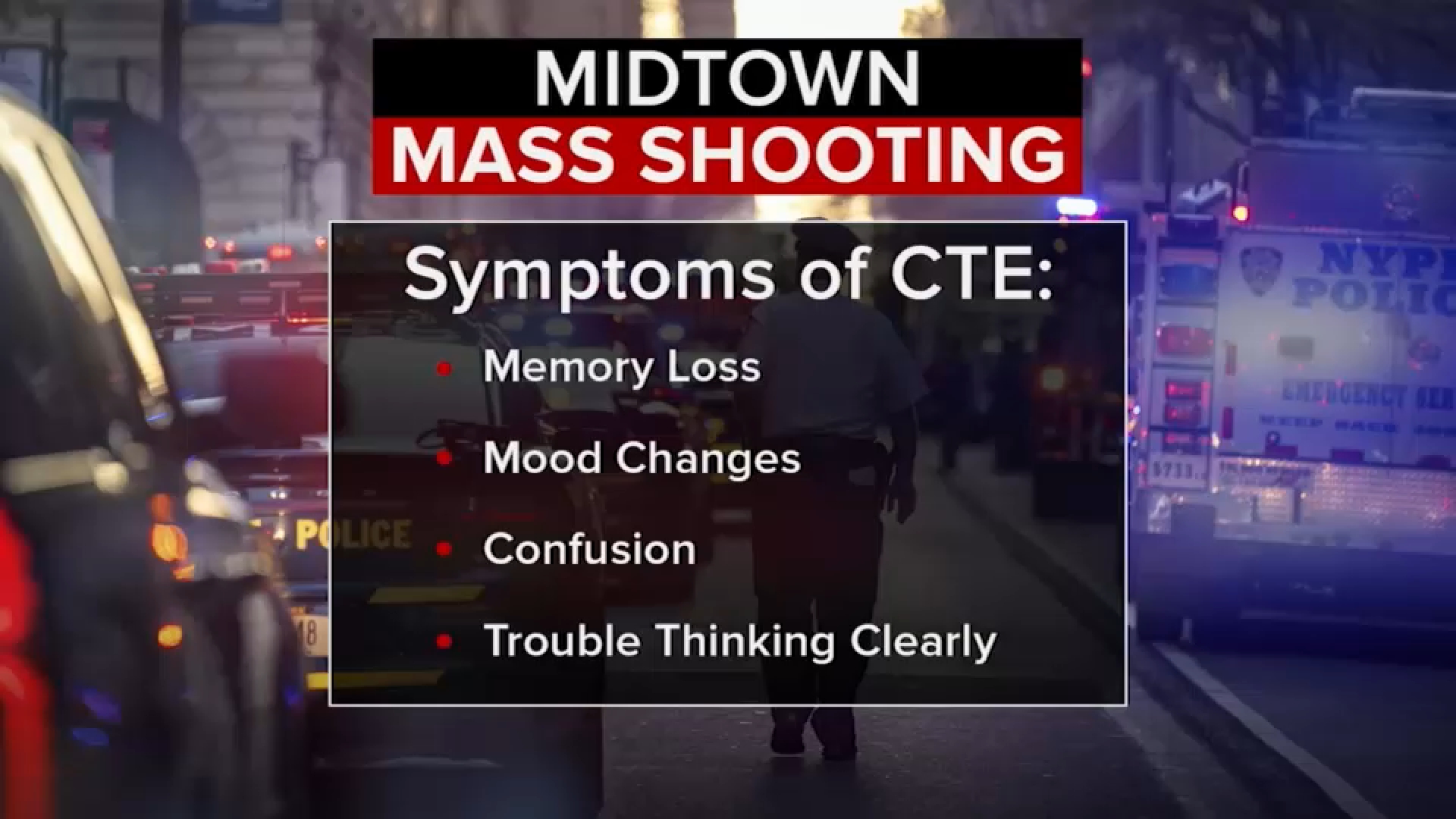
The symptoms of CTE can vary but often include memory loss, mood swings, confusion, and difficulty concentrating. Researchers at the Boston University CTE Center have studied over 1,500 donated brains, with more than 800 cases confirmed. Most of these donors were athletes or military veterans who experienced repeated head impacts.
Scientists are still exploring the underlying causes of CTE. Questions remain about whether genetic factors play a role, or if certain types of head trauma are more likely to lead to the condition. Dr. Stern highlighted the ongoing research, saying, "Are there genetic factors? Are there special types of hits or types of exposure to the hits that lead to it?"
While the diagnosis of CTE remains challenging, experts stress that treatment options are available for managing its symptoms. If individuals experience depression, anxiety, or other related issues, seeking medical help is crucial. Dr. Sabini suggested that pharmacological treatments could be effective in addressing these symptoms, along with therapeutic interventions.
This tragic event underscores the importance of understanding and addressing mental health concerns. Even though CTE cannot be definitively diagnosed during life, it is essential to recognize the signs and seek appropriate care. As research continues to evolve, so too will our ability to support those affected by this complex condition.

Post a Comment for "What Is CTE, the Brain Disease Behind the Midtown Shooter?"
Post a Comment