What is CTE? The Brain Condition Behind Midtown Shooter Shane Tamura
The Connection Between CTE and the Midtown Manhattan Shooting
Shane Tamura, the individual responsible for a deadly shooting in Midtown Manhattan on Monday, was found to have written about chronic traumatic encephalopathy (CTE) in a note recovered by investigators. According to New York City Mayor Eric Adams, the note referenced CTE and its association with the NFL. Adams explained that Tamura appeared to believe he had suffered from CTE, a brain injury commonly linked to contact sports, and blamed the NFL for his condition.
Although Tamura never played in the NFL, law enforcement believes he may have targeted the organization's offices located within the same building where he killed four people. A three-page note discovered in Tamura’s pocket reportedly expressed his desire for his brain to be donated to science for research purposes. However, it remains uncertain whether he actually had CTE, as the condition can only be diagnosed post-mortem.
New York Police Commissioner Jessica Tisch noted that Las Vegas authorities confirmed Tamura had a history of mental health issues. This raises questions about how his personal struggles may have intersected with his beliefs about CTE and the NFL.
What is CTE?
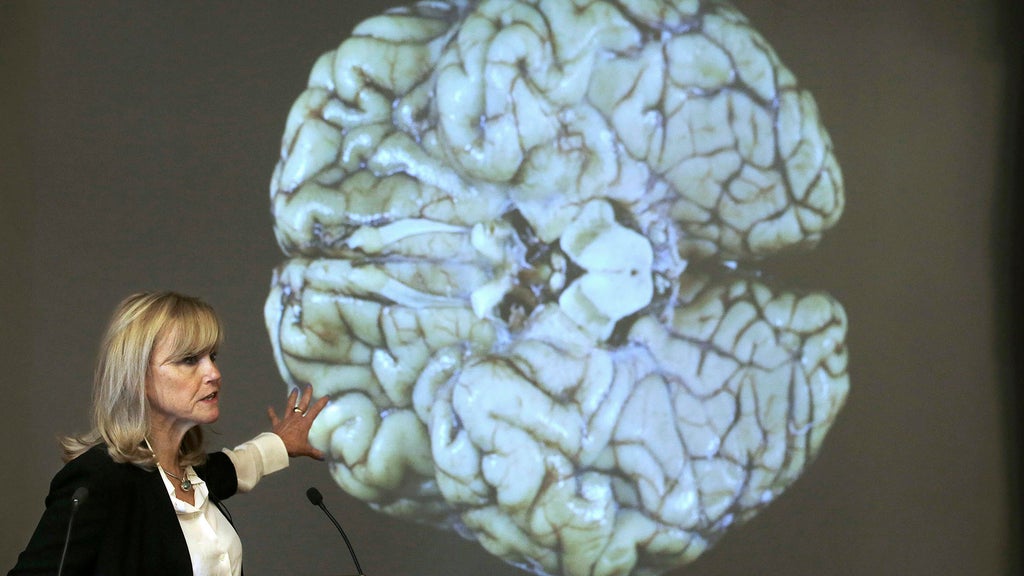
Chronic traumatic encephalopathy, or CTE, is a progressive brain disease most commonly associated with athletes who participate in contact sports such as football, ice hockey, and boxing. It develops after repeated head injuries cause brain cells to die over time. Dr. Anne McKee, director of the CTE Center at Boston University, emphasized that while CTE is often discussed in relation to professional athletes, it has also been found in student-athletes.
Tamura played high school football in California in 2014, which places him in a group where CTE is a potential risk. Dr. McKee pointed out that a recent study found approximately 30% of former high school players showed signs of CTE. While this percentage does not apply to all high school football players, it highlights the possibility of the condition developing even at a young age.
She explained that CTE can occur without concussions, as minor hits that go unnoticed can still lead to long-term damage. Over time, these repeated impacts create a cycle of inflammation, vascular changes, and nerve cell loss, leading to the accumulation of abnormal proteins known as tau. These proteins are also associated with Alzheimer’s disease.
Currently, the only way to diagnose CTE is through an autopsy, which involves staining brain tissue. This process is complex and can take several months.
Symptoms of CTE
The early symptoms of CTE include irritability, inattention, and behavioral changes such as aggression or impulsivity. As the disease progresses, it can affect broader areas of the brain, leading to memory loss, dementia, and difficulties with thinking, planning, and decision-making. Additional symptoms may include mood swings, suicidal thoughts, substance misuse, balance issues, and speech problems.
Dr. McKee noted that some individuals with CTE experience severe breaks from reality, including violent behavior. She cited examples of former NFL players who exhibited extreme actions, emphasizing the need for greater awareness and prevention strategies.
CTE in the NFL
CTE has gained significant attention in recent years due to its prevalence among former NFL players. Aaron Hernandez, a former New England Patriots player and convicted murderer, was diagnosed with stage 3 CTE after his death. Dr. McKee described his case as one of the worst she had encountered. Another former NFL player, Irv Cross, was diagnosed with stage 4 CTE and experienced hallucinations before his passing.
According to the BU CTE Center, out of 376 former NFL players tested, 345 were found to have CTE. In response, the NFL has implemented changes to reduce head injuries, such as new rules and improved equipment. For example, in 2024, the league introduced Guardian Caps—soft coverings that fit over helmets to reduce impact during collisions. Additionally, kickoffs were modified to limit full-speed tackles.
Despite these efforts, Dr. McKee believes more needs to be done. She argues that helmet design alone cannot prevent CTE, and that changes in gameplay, rule enforcement, and player monitoring are essential. She called for a comprehensive approach to address the risks faced by athletes at all levels, from high school to college.

Post a Comment for "What is CTE? The Brain Condition Behind Midtown Shooter Shane Tamura"
Post a Comment