What is CTE and How Does California Protect Young Athletes?
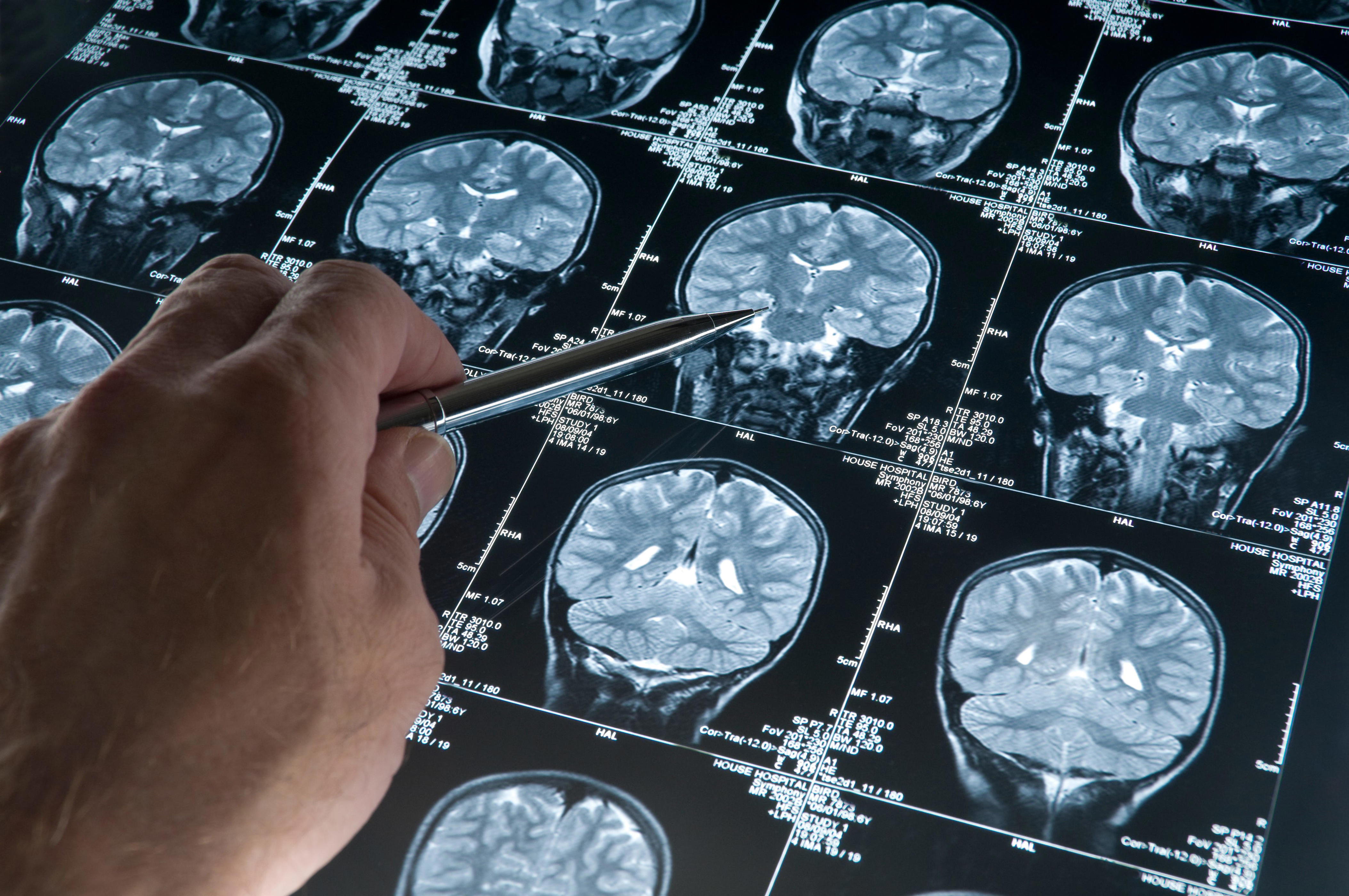
Understanding CTE and Its Impact on Athletes
Chronic Traumatic Encephalopathy (CTE) is a progressive brain disease linked to repeated head injuries. It has recently come under increased scrutiny following an incident in New York where a gunman fatally shot several people, raising concerns about the condition. The suspect reportedly believed he had CTE and blamed the NFL for his injuries, according to a statement from a local official.
CTE is associated with repeated trauma to the head, which can lead to long-term damage to nerve cells in the brain. Over time, this condition can impair cognitive functions, affect mood, and even impact motor skills. While it's often linked to contact sports like football, other activities such as boxing, hockey, or military service can also increase the risk of developing CTE.
Diagnosing CTE: A Complex Process
Currently, the only definitive way to diagnose CTE is through an autopsy. This means that individuals cannot be diagnosed while they are alive. Symptoms of CTE can resemble those of other neurological conditions, including Alzheimer’s disease, making it challenging to identify without post-mortem examination. According to Harvard Health, there is strong evidence linking CTE to repeated head impacts, whether or not they result in concussions.
Research conducted by the Boston University CTE Center found that out of 376 former NFL players studied, 345 were diagnosed with CTE. This highlights the significant prevalence of the condition among athletes who have experienced multiple head injuries over their careers.
Risk Factors and Prevention Strategies
While football is the most commonly associated sport with CTE, other high-impact activities also pose risks. Boxers, hockey players, and military personnel are among those at higher risk due to the nature of their work. However, the exact reasons why some individuals develop CTE while others do not remain unclear.
In response to these concerns, California has implemented protocols to protect young athletes from concussions. These measures aim to reduce the risk of long-term brain injuries by ensuring proper care and management of head injuries in youth sports.
Concussion Protocols in California
California has established guidelines for handling concussions in student athletes. According to the 2024-2025 Blue Book Constitution & Bylaws rules, any athlete suspected of sustaining a head injury must be removed from play immediately. They can only return to competition after being evaluated by a licensed healthcare provider trained in concussion management and receiving written clearance.
Additionally, California Assembly Bill 2007, passed in 2016, mandates that youth sports organizations notify parents or guardians if an athlete under 17 has been removed from activity due to a suspected concussion. Coaches and administrators are also required to complete concussion education programs to better understand how to manage head injuries.
Recognizing the Symptoms of CTE
Individuals diagnosed with CTE may experience a range of symptoms, including cognitive decline, changes in behavior, mood swings, and difficulties with movement. These symptoms can significantly impact daily life and may worsen over time. The Mayo Clinic notes that these issues can include problems with walking, balance, and memory.
As awareness of CTE grows, so does the need for continued research and improved prevention strategies. Efforts to educate athletes, coaches, and parents about the risks of head injuries are essential in reducing the long-term impact of CTE.
Ongoing Research and Public Awareness
The connection between contact sports and CTE has sparked widespread interest in recent years. As more studies are conducted, the medical community continues to uncover new insights into the condition. Public awareness campaigns and policy changes are helping to promote safer practices in sports and other high-risk activities.
With ongoing efforts to address head injuries in youth sports, the hope is that future generations of athletes will be better protected from the long-term consequences of repeated head trauma.

Post a Comment for "What is CTE and How Does California Protect Young Athletes?"
Post a Comment