What Could Fuel the Steam Deck's Successor – And Do We Really Need It?
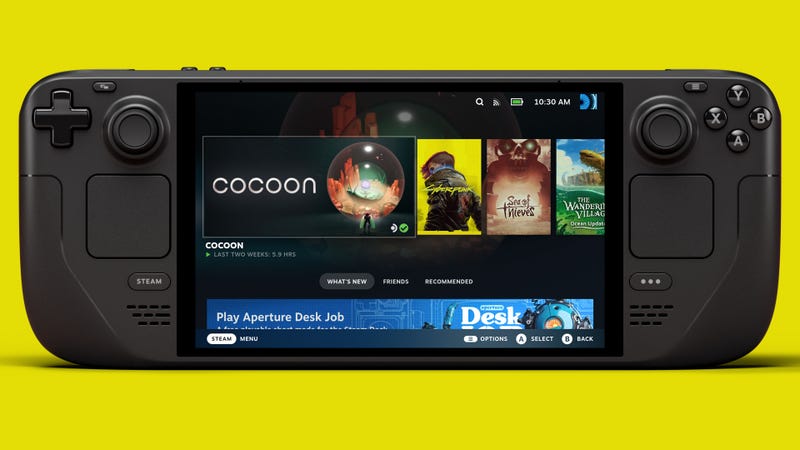
The Steam Deck's Third Birthday and the Future of Portable Gaming
This past February marked the third anniversary of the Steam Deck, Valve’s groundbreaking handheld gaming device. While it has been a hit with many users, the recent performance issues of some major AAA titles—such as Avowed and Final Fantasy VII Rebirth—have raised questions about its long-term viability. These challenges have led to speculation about when a more powerful successor might arrive.
Valve has consistently emphasized that a new version of the Steam Deck, often referred to as the “Steam Deck 2,” won’t be released until there are significant advancements in battery-powered processors. This approach aligns with the company’s commitment to delivering a meaningful upgrade rather than a minor iteration.
In a recent episode of the podcast Moore’s Law Is Dead, host Tom N/A and YouTuber Jimmy Champagne shared insights from sources within Valve. According to these insiders, the company remains focused on its original plan. The next-generation hardware could potentially match the performance of future consoles like the PS6 or the next Xbox (though the latter may not be called “NeXbox”).
The AMD “Magnus” APU: A Potential Game-Changer
Central to the speculation is the rumored AMD “Magnus” APU. Although still unconfirmed, internal code names and leaks suggest that this chip could be a key component in the next generation of gaming consoles. If true, the Magnus APU could position the Steam Deck 2 to compete directly with high-end home consoles.
However, the Magnus APU is expected to be available in about one to two years. That means the current Steam Deck OLED will likely remain the flagship model for the foreseeable future. Despite this, the potential of a future upgrade is exciting for many users who are eager for cutting-edge performance.
A Personal Take on the Steam Deck
While the idea of a more powerful Steam Deck is appealing, some users are content with the current model. For many, the Steam Deck offers a unique blend of portability and power that suits their gaming habits. It serves as a convenient alternative to traditional consoles or PCs, allowing users to enjoy games that are neither too old nor too demanding.
For instance, the Steam Deck is ideal for playing games that aren’t too graphically intensive but still require more than what a mobile device can offer. Titles like Cyberpunk 2077 may not run perfectly on the device, but they’re still playable. This compromise is acceptable for many users who prioritize convenience over maximum performance.
Some argue that not every game needs to be optimized for portable devices. There are experiences that are better suited for a PC or console, where performance isn’t limited by battery life. In this case, waiting for a future Steam Deck is a reasonable choice.
The Road Ahead
Valve has a history of delivering innovative products, and the Steam Deck is no exception. While the next iteration may take time, the anticipation for a more powerful handheld is growing. Whether it arrives in 2030 or later, the promise of a device that can rival the performance of next-gen consoles is an exciting prospect.
For now, the Steam Deck continues to serve as a versatile and reliable option for gamers on the go. Its ability to bridge the gap between mobile and desktop gaming makes it a valuable tool for many. As the industry evolves, so too will the expectations for portable gaming devices. And while the future of the Steam Deck remains uncertain, one thing is clear: the demand for powerful, portable gaming is here to stay.

Post a Comment for "What Could Fuel the Steam Deck's Successor – And Do We Really Need It?"
Post a Comment