What Are Private Equity Continuation Funds? How Do They Function?
The Struggles of Private Equity and the Rise of Continuation Funds
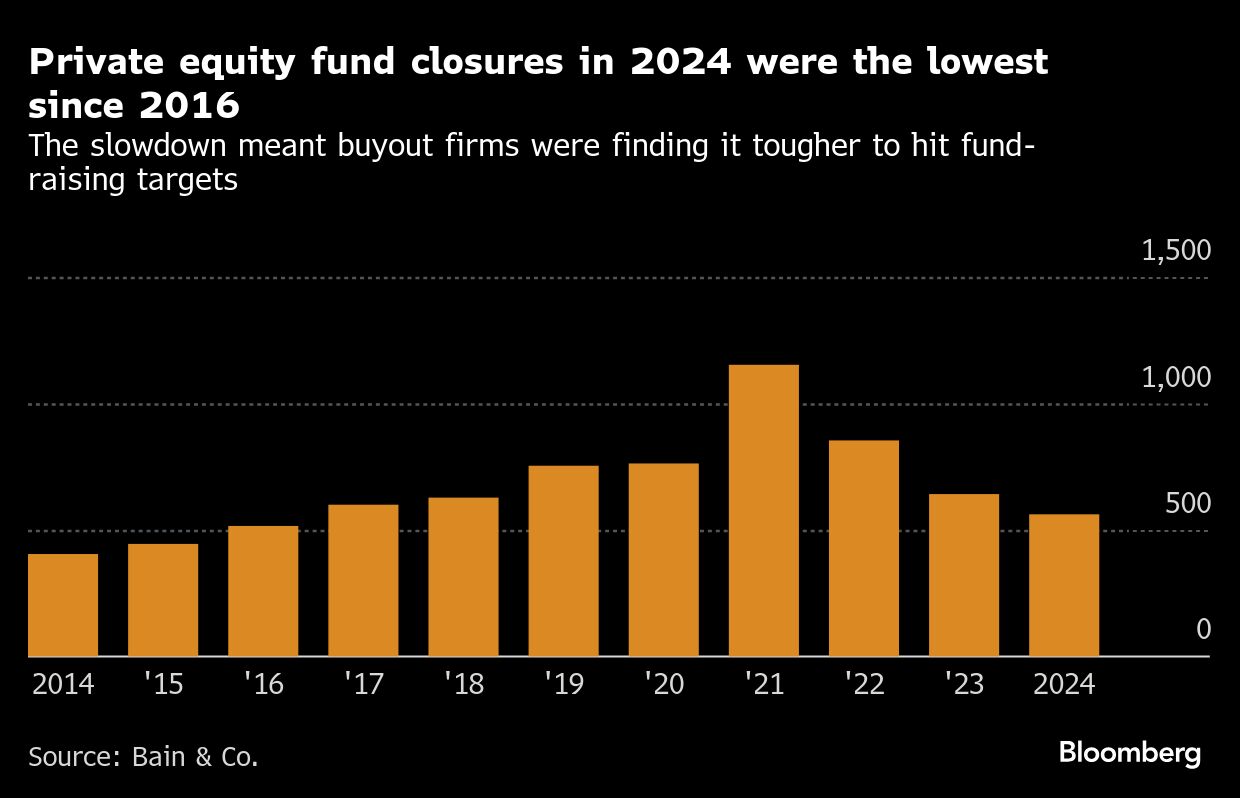
Private equity, the practice of acquiring companies, improving them, and selling them for a profit, has found itself in a challenging position. The industry experienced significant growth during the era of low interest rates, when private equity firms could easily secure large amounts of capital from pension funds and endowments to purchase expensive companies, often leveraging inexpensive debt. However, the Federal Reserve's decision in 2022 to raise borrowing costs disrupted this flow of cheap money, leading to a slowdown in the buying and selling of companies.
After more than three years, private equity firms collectively own thousands of companies that they are unable to sell at a profit. Investors are growing impatient, eager to see returns on their investments. In response, private equity firms have turned to a solution known as continuation funds.
What Are Continuation Funds?
A continuation fund is an investment vehicle that allows a private equity firm to transfer one or more companies from an existing fund into a newly created fund. This process enables investors to either roll over their existing investment commitments into the new continuation fund or cash out entirely.
Continuation funds gained popularity among larger private equity firms in the mid-2010s as they sought to hold onto some of their most successful investments for longer periods, hoping for greater returns. Today, these funds are being utilized across the entire industry.
Why Have Continuation Funds Become Popular?
Continuation funds have become a key strategy in the private equity sector as a way to keep generating cash for investors during a period when it has been difficult to profitably sell companies in either public or private markets. According to MSCI Inc. research analyst Abdulla Zaid, cash payouts as a percentage of fund values dropped to 7% in the first quarter of this year, compared to around 25% between 2015 and 2019. Nearly 20% of all exits—Wall Street’s term for the sale of ownership stakes—now take the form of a continuation vehicle, up from about 5% in 2020, according to Jefferies.
At the same time, substantial pools of capital are being raised to fund continuation vehicles across the industry. Asset managers currently have $151 billion available for investment in continuation funds and other private transactions, as reported by Jefferies in a July report.
The Controversy Around CVs of CVs
Continuation vehicles typically have a five-year window to sell their assets and return cash to investors. This means that funds raised around 2020 are now looking for exits in a slow deal market. Firms are finding that investors are willing to roll an existing continuation vehicle into a new continuation fund—a so-called “CV squared”—to gain more time.
However, this practice is not without controversy. Few buyers anticipate that a deal will be rolled over again, and some transactions are facing resistance from investors. Concerns include whether the asset is truly worth what the private equity firm is valuing it for and whether there is a clear path to eventual sale. Additionally, buyers may question if the current manager is the right one to support the asset for a longer period and if there is still value to be extracted from holding the company.
Are Investments in Continuation Vehicles Risky?
The risk associated with continuation funds depends on various factors. A continuation fund that holds a company with strong potential, which needs more time for the sponsor to improve its performance and find the right buyer, can lead to a successful investment. However, if the fund or asset is burdened with excessive debt or is overvalued, it could result in bankruptcy.
In 2024, two private equity-backed companies, Wheel Pros and Enviva, were rolled into continuation vehicles and faced financial difficulties, highlighting the risks involved.
As the private equity industry continues to navigate these challenges, the use of continuation funds remains a critical strategy for firms seeking to generate returns in a difficult market.

Post a Comment for "What Are Private Equity Continuation Funds? How Do They Function?"
Post a Comment