Whales and Dolphins Play More Than Scientists Knew, Study Reveals
Understanding the Complex Interactions Between Dolphins and Whales
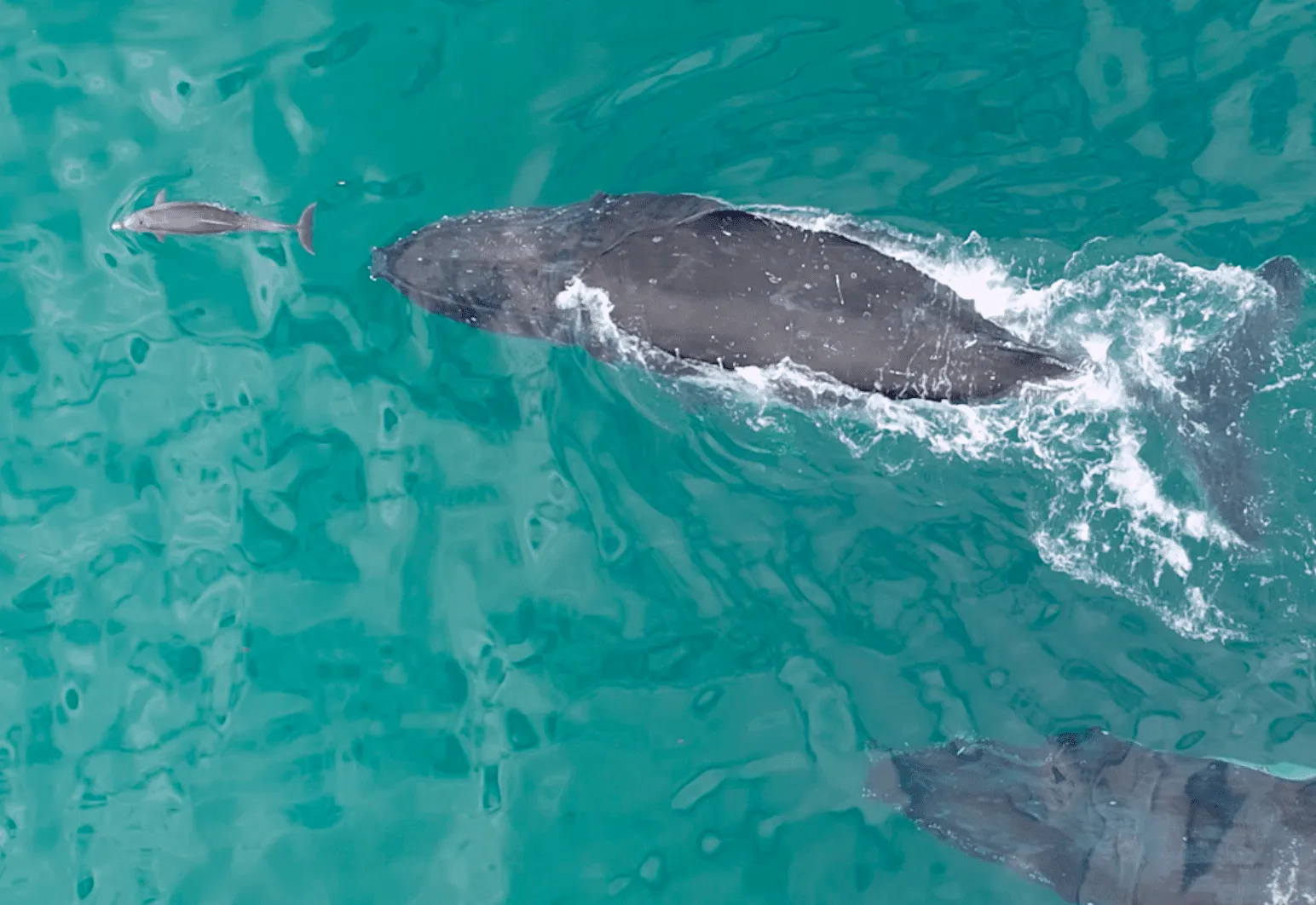
Recent research has revealed that dolphins and whales engage in more frequent interactions than previously believed. This discovery was made by analyzing images and videos of marine mammals, which showed a significant number of positive and mutual encounters. Scientists found that one-quarter of these interactions were classified as mutual and positive, indicating a level of social engagement between species that was not widely recognized before.
The study involved examining 199 independent instances of whale-dolphin interactions. These were sourced from photos and videos shared on social media platforms, with most of the footage coming from the United States and Australia. The data spanned over two decades, offering a comprehensive look at how these animals interact. Additionally, researchers reviewed two videos captured using camera tags attached to humpback whales, providing further insight into their behavior.
From this extensive dataset, scientists identified interactions involving six whale species and 13 dolphin species. The footage showed the animals engaging in what appeared to be playful activities, swimming together, and even nudging or rubbing each other. These findings were published in the journal Discover Animals, highlighting the significance of such interactions in the marine ecosystem.
Patterns of Interaction and Social Behavior
Most of the observed interactions were initiated by dolphins, who often approached whales, particularly humpbacks. In 80% of these cases, the dolphins were seen swimming near the whales’ heads, a behavior that could serve as a form of one-sided play while also helping dolphins conserve energy during travel. Sometimes, the dolphins would nudge or rub the whales, suggesting a level of curiosity or social engagement.
Whales, in turn, responded to these approaches in various ways. Humpback whales, for example, were observed moving their pectoral fins toward the dolphins or exposing their bellies, behaviors commonly associated with socialization, courtship, or communication. Gray whales would roll, and southern right whales would slap the water with their pectoral fins, all of which are signs of interaction rather than aggression.
According to Olaf Meynecke, the study’s lead author and a marine biologist at Griffith University in Australia, “at least one-third of the interactions we classified as positive, with the humpback whales actually seeking out swimming towards the dolphins.” He noted that signs of aggression from humpback whales were rare, reinforcing the idea that these interactions were largely peaceful and possibly even beneficial for both species.
Changing Perceptions of Whale-Dolphin Relationships
Dolphins have been seen interacting with whales before, but such behavior has historically been viewed as the dolphins playing with a larger object in the ocean. However, according to Thea Taylor, managing director of the Sussex Dolphin Project, there hasn’t been much record of whales reciprocating this playfulness.
In fact, a notable observation occurred in 2004 when a humpback whale was seen lifting a bottlenose dolphin out of the water, leading researchers to believe it was an act of caregiving. However, this new study suggests that such interactions are far more common and varied than previously thought.
Implications for Conservation and Future Research
Scientists are still trying to understand what draws these animals together. One possibility is their close evolutionary relationship and shared behavioral traits. Despite the uncertainty, researchers emphasize that the findings could have important implications for the conservation of whales and dolphins.
“These are highly intelligent animals, and just like humans, they need creative times, they need times when their brain is in a relaxed mode,” says Meynecke. He explains that interactions between these animals may help them live longer and better lives, as play behavior can foster relationships, provide sensory stimulation, and contribute to overall well-being.
Wally Franklin, a marine scientist at the Oceania Project, notes that he has often observed dolphins interacting with humpback whales in a playful manner. “There’s no doubt that the whales respond in a very positive fashion to the presence of the dolphins,” he states.
The Role of Technology and Citizen Science
Meynecke highlights the potential of using new technologies and citizen science to study animal behavior. Although social media has its limitations, it provided valuable data that traditional surveys might have missed. He also suggests that future research could incorporate acoustic recordings and longer observation periods to better understand the motivations behind these interactions.
As the scientific community continues to explore these fascinating encounters, it becomes increasingly clear that the relationship between dolphins and whales is more complex and meaningful than previously understood.

Post a Comment for "Whales and Dolphins Play More Than Scientists Knew, Study Reveals"
Post a Comment