"We’re Adding More Than Books," Siouxland Libraries Launch New Programs to Engage More People
Libraries as Community Hubs: Expanding Beyond Books
Libraries have long been seen as places to borrow books, but in recent years, they’ve evolved into much more than that. These institutions are now offering a wide range of services and resources that cater to the changing needs of their communities. From technology access to hands-on tools, libraries are redefining their role as essential community spaces.
Michael Maxwell, Reader Service Specialist Librarian at the Sioux City Public Library, shared his perspective on this transformation. He explained that the original purpose of libraries was to provide access to books for those who couldn’t afford them. “It wasn’t framed as an issue of consumption and sustainability at the time, but that’s really what it was,” he said. This idea of accessibility and resource-sharing continues to drive the evolution of modern libraries.
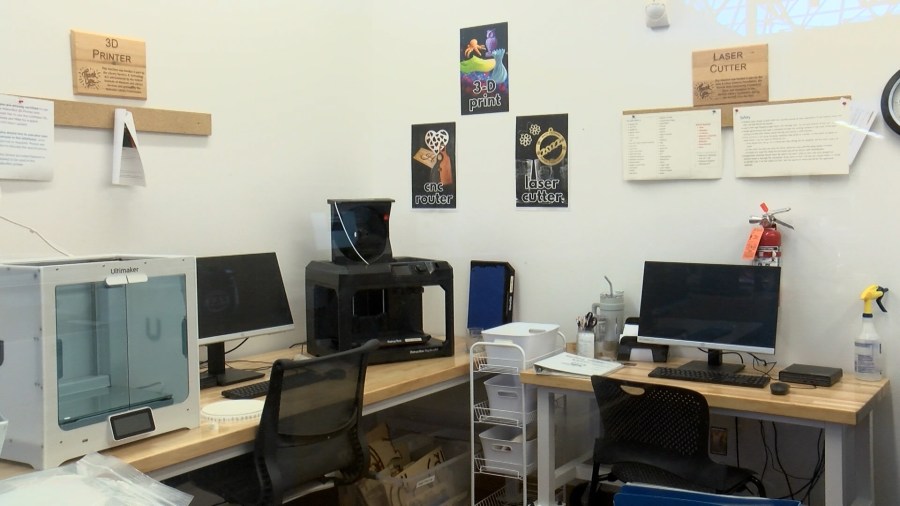
In Norfolk, the Public Library has taken this concept even further by introducing a variety of high-tech tools. Mike Dittmer, Technical and Tech Supervisor with the Norfolk Public Library, described some of the new additions. “We have two 3D printers, a laser cutter, a Cricut Maker, a vinyl cutter, a CNC router, and an embroidery machine that can be computer-controlled,” he said. These tools allow patrons to explore creative projects and learn new skills, making the library a hub for innovation and education.
While the Sioux City Public Library doesn’t have 3D printers, it offers its own unique service called the “Library of Things.” This initiative allows people to check out items like hedge trimmers, which they might not want to buy outright. “A Library of Things is a way to meet the needs of the community while also thinking about sustainability,” Maxwell explained. By offering these tools, the library encourages responsible use and reduces waste.
Both the Sioux City and Norfolk libraries have created spaces for meetings and gatherings. These areas are open to anyone and serve as gathering spots for community events, workshops, and educational programs. The librarians emphasize that libraries are no longer just about books—they’re about fostering connections and providing resources that support personal and professional growth.
Maxwell noted that while books remain an essential part of the library experience, there’s a growing need for physical tools and technological access. “People need the physical tools in the most literal sense sometimes,” he said. “What are things, like, what’s within our capacity? What can we provide? How can we fill those gaps?” This question drives the ongoing development of library services, ensuring that they remain relevant and useful to all members of the community.
Dittmer believes that the integration of technology and hands-on learning opportunities is a natural progression as society moves forward. “I don’t think you’re ever going to get rid of books, but more and more people are doing stuff online. They’re doing stuff that, really, they don’t need to be in the library,” he said. However, the introduction of spaces like Makerspace helps bring people back into the library environment, where they can engage with both traditional and modern resources.
Another benefit of these evolving services is the potential to reignite a love for reading. Maxwell shared an example of how this works. “There’s this cross-pollination that happens when people come here for one purpose. Suddenly, you know, they’re here because they’re bringing their kid to story time, but they walk past a display and see a book that they think looks really neat, and suddenly they’re renewing their library card.” This kind of interaction can lead to a renewed interest in reading and lifelong learning.
Both Dittmer and Maxwell stress that all the services offered by their libraries are free to the public. All that’s required is a library card. This commitment to accessibility ensures that everyone, regardless of their background or financial situation, can benefit from the resources available.
As libraries continue to adapt and expand their offerings, they remain vital community centers that support education, creativity, and connection. Whether through books, technology, or hands-on tools, libraries are proving that they are more than just places to borrow materials—they are dynamic spaces that enrich the lives of all who visit.

Post a Comment for ""We’re Adding More Than Books," Siouxland Libraries Launch New Programs to Engage More People"
Post a Comment