We the People: The Story of Fort Macon
A Historic Landmark with Endless Stories
Fort Macon, located in Carteret County, North Carolina, stands as a powerful symbol of American history. Each year, over one million visitors come to explore this nearly 200-year-old fortress, which has endured through countless conflicts and continues to bring the past to life. As part of the “We The People” celebration, this historic site is being highlighted as a key treasure in North Carolina, especially as the nation prepares for its 250th anniversary next year.
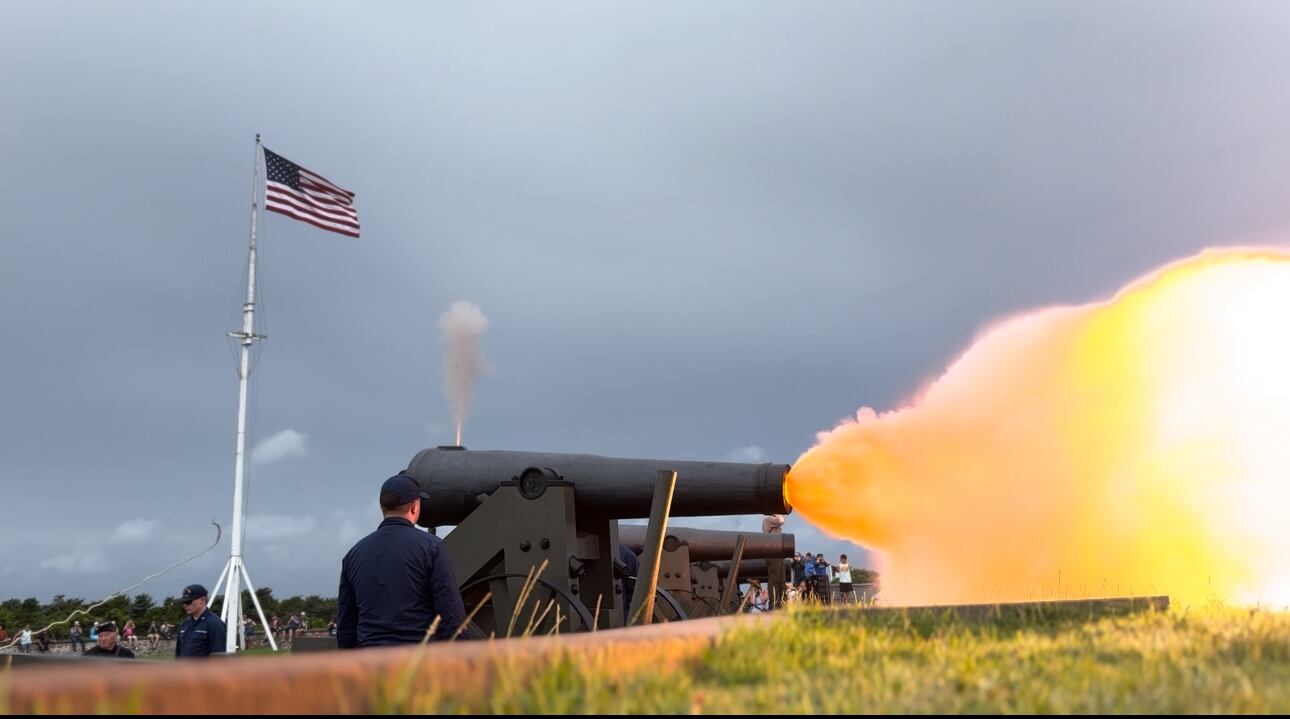
The experience at Fort Macon is nothing short of captivating. Visitors are often amazed by the sound of cannon fire during live demonstrations. Jordan Hill, a regular visitor, says, “The cannons when they shoot the guns and the demonstration is pretty cool!” For many, these moments make the fort feel alive and connected to the past.
Randy Newman, the superintendent of Fort Macon State Park, emphasizes the importance of preserving this heritage. “It gives this place a heartbeat again and brings us, the people, a piece of history we don’t want them to forget,” he explains. This sentiment resonates deeply with those who visit, offering a tangible link to the nation’s storied past.
A Strategic Defense Site
The need for strong coastal defenses was clear long before Fort Macon was built. In the 1700s, the area was under constant threat from pirates, the British, and even the Spanish. However, it wasn’t until the War of 1812 that the U.S. government took significant steps to build more forts along the coast, leading to the construction of Fort Macon.
Newman notes that the fort was built to protect the harbor in Beaufort, which offered deep water access. “It’s to defend this harbor, to control what foreign Navies came or left this inlet because there is a deep water harbor here in Beaufort,” he explains. This strategic location made the fort an essential part of national defense.
A Battlefield of the Civil War
Fort Macon played a pivotal role in the Civil War. Two days after the conflict began in April 1861, North Carolina militia forces seized the fort from the Confederacy. A year later, in 1862, Union General Ambrose Burnside led a naval expedition to recapture the site. The siege lasted about a month, with an actual battle lasting approximately 11 hours. Though only one Union soldier and seven Confederate soldiers were killed, the event marked a significant turning point in the war.
Preserving History Through Passion
Marine veteran Mark Greiner has been a part of Fort Macon’s story since 1990. He moved to the area for his love of the place and has been volunteering there ever since. Dressed in accurate Union attire, he teaches visitors about the cannons, trains them on how to use them, and shares the passion for history that drives him. “It’s all about the passion for history,” Greiner says.
After the Civil War, the fort served various purposes. It became a federal prison, then played a role in the Spanish-American War, where it stored supplies and soldiers. By the early 1900s, it had fallen into disuse. However, in the 1920s, the state of North Carolina purchased the fort for just one dollar, making it the second state park in the region.
A Legacy of Military History
During World War II, Fort Macon was used to help deter German submarines off the coast. This piece of history surprised one visitor, Jason Hale. “I thought it was interesting that it had such a piece of World War II history. My grandfather was in World War II and so was my wife’s grandfather, so that was neat to hear,” he said.
Today, Fort Macon remains a state park, serving as a reminder of its rich military history while also creating new memories for families. It stands as a testament to the resilience of the American spirit and the importance of preserving the past.
For those interested in learning more about Fort Macon, additional information can be found online.

Post a Comment for "We the People: The Story of Fort Macon"
Post a Comment