Warning of a 'decade of decline' for England's cherished chalk streams
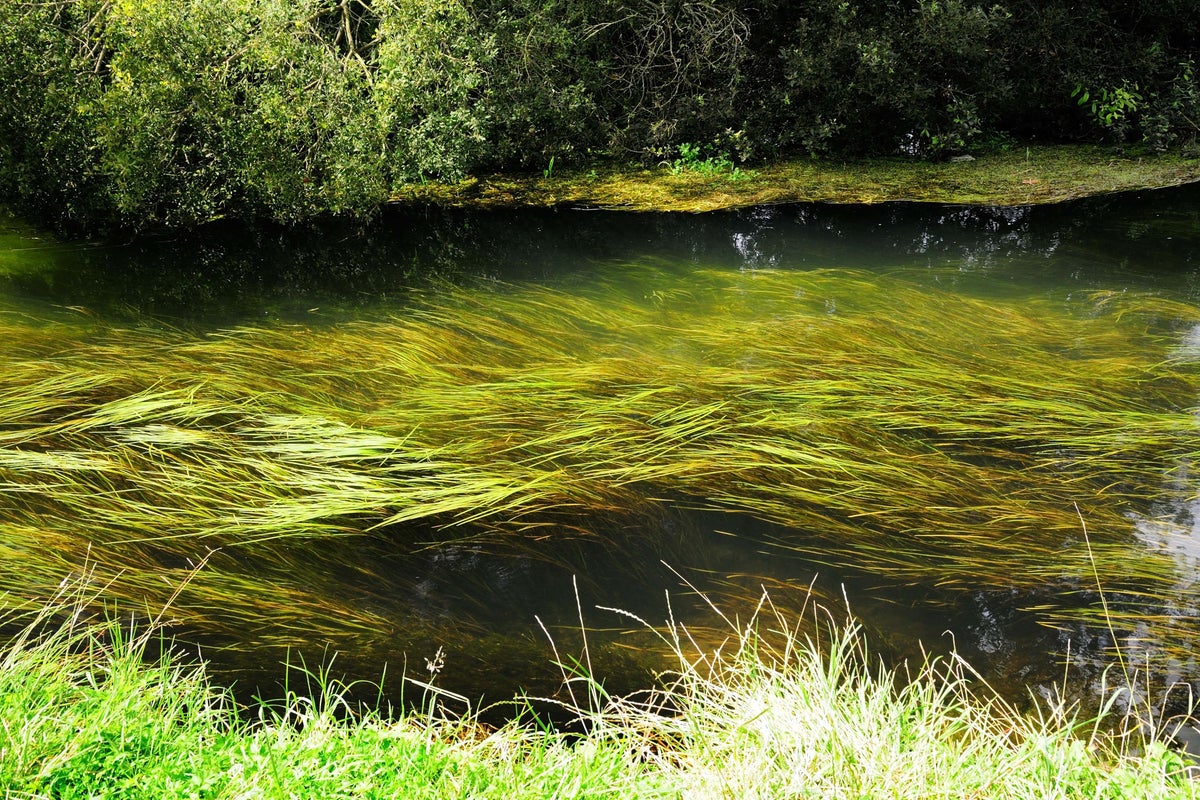
Decline of England’s Chalk Streams Sparks Urgent Calls for Protection
A recent survey has revealed a troubling trend in one of England’s most important chalk streams, with conservationists warning that the ecosystem has faced a decade of decline. The River Avon, which flows through Wiltshire and Hampshire, has become a focal point for concerns about the health of these rare and vital habitats.
The monitoring conducted over the past 10 years by the conservation charity WildFish has shown a significant drop in wildlife populations, including freshwater shrimps, mayflies, caddisflies, beetles, and aquatic bugs. These invertebrates are essential to the river’s ecological balance and serve as indicators of water quality.
WildFish argues that the government is not doing enough to safeguard these globally rare chalk streams, even those like the Avon, which hold the highest conservation status. The charity is urging government agencies such as the Environment Agency and Natural England to set higher environmental standards to properly assess the health of these ecosystems.
Monitoring Reveals Alarming Trends
The data collected through the SmartRivers citizen science project, in partnership with the Wiltshire Fishery Association, highlights a concerning decline. Between 2015 and 2024, the diversity of invertebrates in the Avon fell by 17%, while their numbers dropped by more than three-quarters (77%) on average each year.
Riverflies, which are particularly sensitive to pollution and serve as key indicators of overall river health, have seen an even steeper decline. Their diversity fell by 25%, and their average abundance decreased by 83% over the same period.
Despite these alarming figures, official assessments under the statutory water framework directive still classified the monitored sites as high or good quality in 2024. This discrepancy has raised concerns among conservationists, who argue that the current standards are too low to reflect the true condition of a healthy chalk stream.
Challenges Facing Chalk Streams
Chalk streams are unique ecosystems characterized by clear, flowing water fed by underground chalk aquifers and springs. They support a wide range of wildlife, including Atlantic salmon, brown trout, and water crowfoot, and provide essential water resources for local communities.
There are only around 200 chalk streams worldwide, with the majority located in southern England. This rarity makes them ecologically critical, yet they face multiple threats. Dr. Janina Gray, head of science and policy at WildFish, describes the situation as “death by a million cuts,” with pressures from nutrient pollution, sediment, chemicals, and agricultural runoff contributing to declining water quality.
Over-abstraction of water also poses a serious threat, reducing river flows and concentrating pollutants. These factors combine to create a challenging environment for the survival of these delicate ecosystems.
Calls for Action and Policy Reform
Dr. Gray emphasized that the Avon, designated as a Special Area of Conservation (SAC), should be the most protected river in England. However, the drastic declines in species abundance highlight the need for stronger measures. She warned that without immediate action, the unique characteristics of chalk streams could be lost irreversibly.
WildFish advocates for all chalk streams to be designated as SACs, joining the few already classified in this way. Current protections and assessments, according to the charity, are insufficient and require proper enforcement.
The organization is calling on the Environment Agency and Natural England to revise their standards for chalk streams, raising the bar to ensure better protection. This would involve setting more ambitious targets for maintaining biodiversity and water quality.
Government Response and Future Plans
In response to these concerns, a spokesperson for the Department for Environment, Food and Rural Affairs (Defra) stated that cleaning and restoring Britain’s rivers is a top priority. The government has allocated £2 billion from water companies to begin the process of improving water quality, along with modernizing the abstraction licensing system to promote sustainable water use.
Additionally, a record £104 billion investment is planned to reduce sewage spills by 2030, with the creation of a new, powerful regulator to oversee these efforts. These initiatives aim to address the long-term damage caused to river ecosystems, including chalk streams.
As the debate over the future of these rare habitats continues, the need for urgent and effective action remains clear. Protecting chalk streams is not just about preserving nature—it is about safeguarding a vital part of England’s natural heritage for future generations.

Post a Comment for "Warning of a 'decade of decline' for England's cherished chalk streams"
Post a Comment