Wargaming's Moneyball Moment Begins
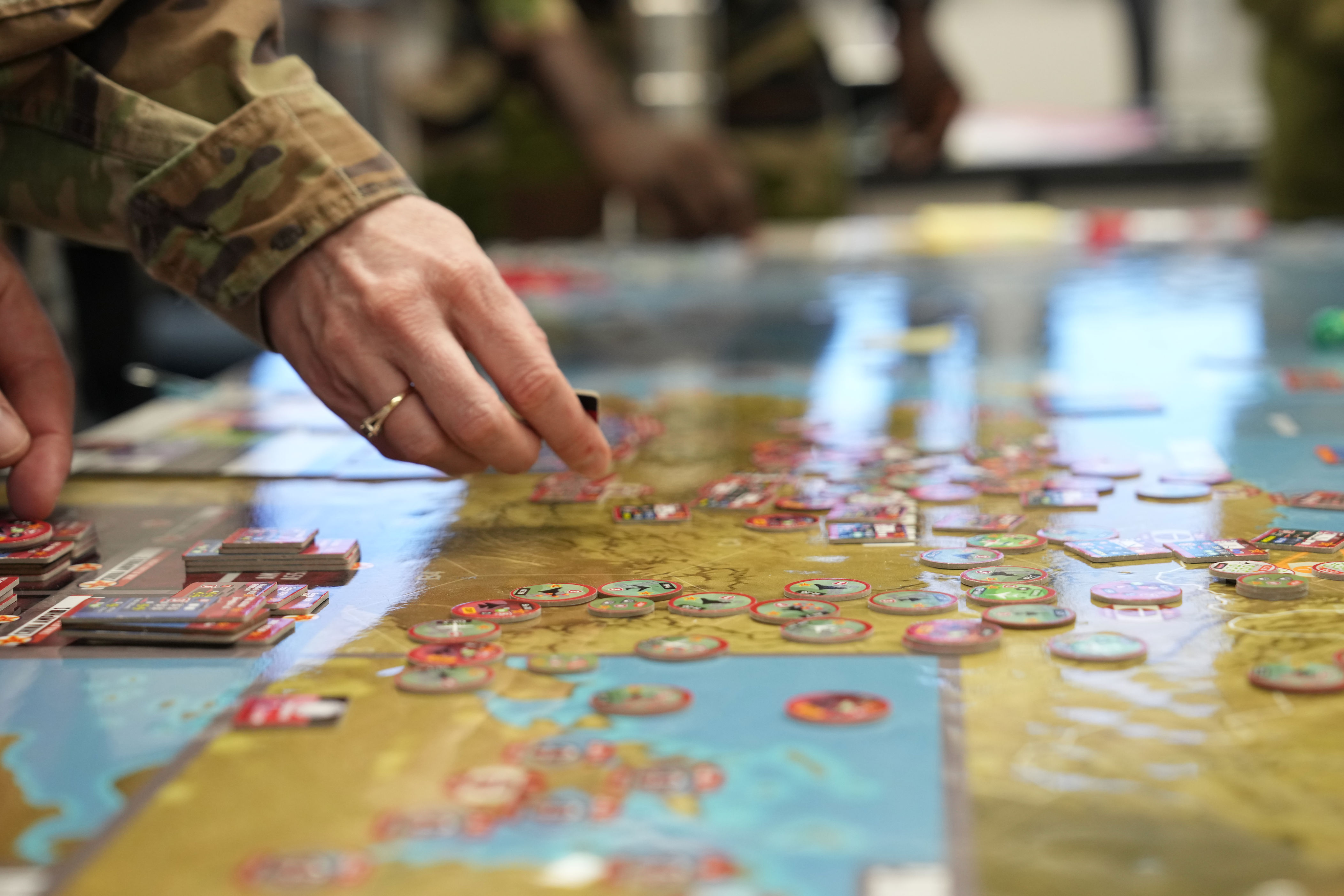
The Evolution of Wargaming: A New Era of Strategy and Technology
The world of wargaming is undergoing a transformation similar to what occurred in professional baseball two decades ago. Just as traditional scouts and data scientists once clashed over the best way to evaluate talent, today’s defense experts are navigating a new tension between conventional wargaming methods and emerging technologies like artificial intelligence (AI) and advanced modeling and simulation.
At the heart of this shift is the recognition that neither approach can fully replace the other. Instead, the most effective strategies emerge from a collaboration between human expertise and technological innovation. This dynamic is particularly evident at the Johns Hopkins Applied Physics Laboratory, where researchers are exploring how AI and simulation tools can enhance traditional wargaming practices.
The Value of Traditional Wargaming
Wargaming has long been a critical tool for understanding complex decision-making processes in high-stakes environments. At its core, it simulates real-world scenarios to help participants explore how decisions are made under uncertainty. Unlike straightforward problem-solving exercises, wargames emphasize the nuances of human behavior, including the impact of communication, strategy, and emotional responses.
This experiential learning is invaluable for military and national security professionals. It allows them to test different approaches, anticipate consequences, and refine their thinking before facing real-world challenges. However, traditional wargaming is not without its limitations. It often requires significant time and resources to plan and execute, with teams of experts spending months preparing for a single exercise. Additionally, the reliance on human players to simulate key decision-makers—such as foreign leaders—can be both logistically difficult and limited in scope.
The Role of Artificial Intelligence
The introduction of generative AI into the wargaming process offers a powerful solution to these challenges. AI can now mimic human language and decision-making patterns, enabling simulations that were previously impossible. By integrating AI with physics-based modeling and simulation, wargames can now explore a vast array of scenarios with far fewer human participants.
For example, AI-driven models can simulate interactions between military platforms, such as whether an F-35 would be detected by enemy radar. These simulations provide detailed, traceable outcomes that can be analyzed quickly and efficiently. This capability significantly reduces the time required to develop and run wargames, allowing for more frequent and diverse exercises.
The Future of Wargaming: Collaboration Over Conflict
While some may question the reliability of AI in strategic decision-making, it’s clear that these tools are already making a meaningful impact. They allow for rapid iteration and exploration of multiple outcomes, which is essential in complex military scenarios. When combined with human judgment, AI enhances the ability of national security leaders to analyze and respond to potential threats.
The future of wargaming isn’t about choosing between tradition and technology. It’s about finding the right balance between the two. Just as baseball teams have successfully integrated analytics with human insight, defense organizations can benefit from a similar approach. This collaboration doesn’t require years of debate—it’s a practical and necessary evolution in the field of national security.
Key Players Driving Innovation
Andrew Mara, head of the National Security Analysis Department at the Johns Hopkins Applied Physics Laboratory, leads efforts to assess the capabilities needed to address pressing national security challenges. Kelly Diaz oversees the Advanced Concepts and Capabilities program, which focuses on innovative, data-driven solutions to complex issues. Kevin Mather manages a team developing advanced modeling and simulation tools, including the AFSIM framework and AI techniques designed to support strategic decision-making.
Together, these experts are shaping the future of wargaming, ensuring that it remains a vital tool for understanding and preparing for the complexities of modern conflict.

Post a Comment for "Wargaming's Moneyball Moment Begins"
Post a Comment