Volkswagen's Pay-to-Win Car Subscription Sparks Controversy
A New Trend in Car Ownership: Subscription Models for Performance
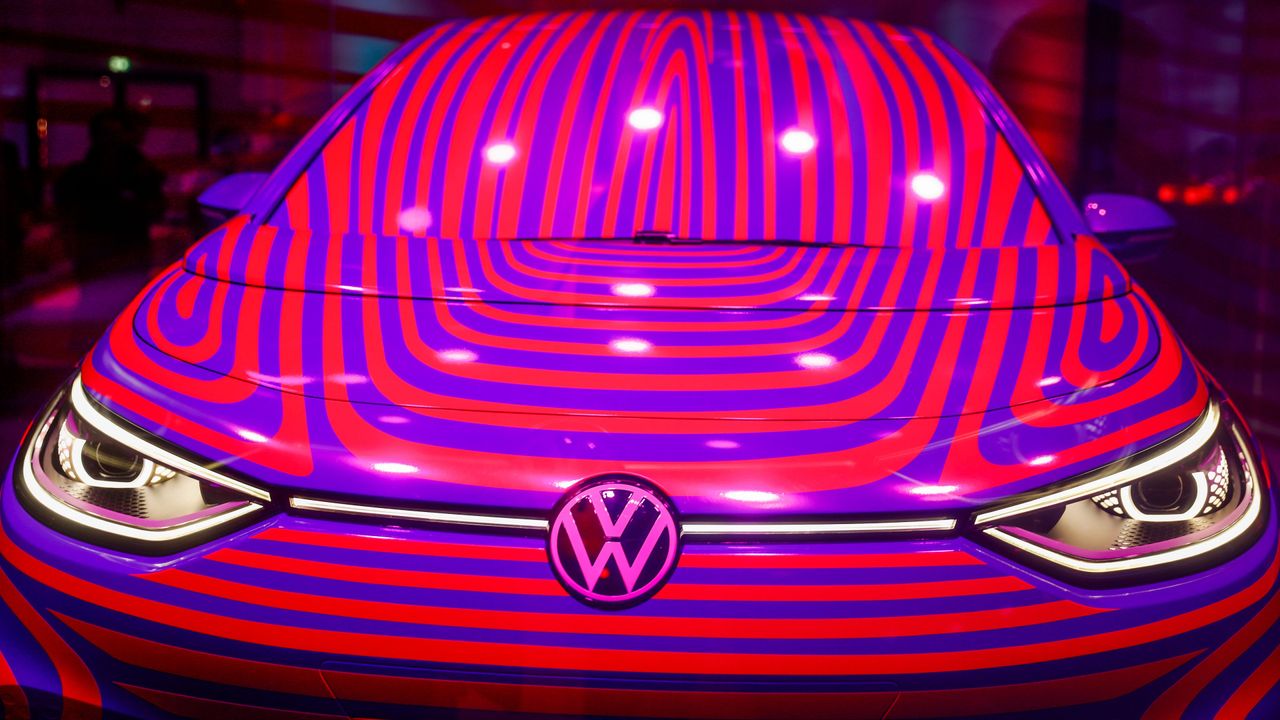
Volkswagen has taken a page from the book of Gacha games, introducing a subscription model that allows car owners to unlock additional performance features. According to reports, certain models of the ID.3 electric hatchback come with a limited horsepower output unless you pay for a subscription or a one-time fee. This approach is similar to the way many video games now offer content through microtransactions or monthly subscriptions, allowing players to access extra features or content.
For example, some mid-level trims of the ID.3 offer only 201 horsepower, but customers can choose to pay £16.50 per month or a one-time fee of £649 to unlock an additional 27 horsepower. This business model has become increasingly common in the gaming industry, where players often feel they are paying for content that should be included in the initial purchase. While this may seem familiar to gamers, it raises questions about the value of what consumers are actually buying when they purchase a vehicle.
Unlike traditional aftermarket modifications, which allow drivers to customize their cars and experience a sense of accomplishment, this model involves built-in features that are locked behind a paywall. It’s a different kind of experience, one that feels more like renting than owning. In the past, when you bought a game like Need for Speed: Hot Pursuit 2 for the Nintendo GameCube, you received the full game without any additional costs. However, over the years, the industry has shifted toward offering content through downloadable content (DLC) and subscription models, making the purchasing process feel more like investing in a work in progress.
Auto manufacturers have been slower to adopt these practices compared to the gaming industry. However, as vehicles have become more connected to the internet, companies have started to explore new ways to monetize their products. BMW, for instance, faced backlash for locking features like Apple CarPlay and heated seats behind a paywall. Consumers pushed back, and the company eventually reversed its decision. But as with many trends in the digital world, the idea of charging for features that were once considered standard is unlikely to disappear completely.
The rise of subscription models in both gaming and automotive industries raises important questions about ownership and value. When you buy a game on Steam, do you truly own it, or are you just paying for access? Similarly, when you purchase a car with features that require ongoing payments, are you really getting the full value of your purchase? These models can create a sense of uncertainty, especially if the company behind the product faces financial difficulties or if technology evolves in a way that makes older purchases obsolete.
As we look ahead, it's clear that the lines between ownership and access are becoming increasingly blurred. Whether it's through live-service games or paywall-locked car features, consumers are being asked to pay for experiences that were once considered part of the initial purchase. This shift not only affects how we interact with technology but also challenges our understanding of what it means to truly own something.

Post a Comment for "Volkswagen's Pay-to-Win Car Subscription Sparks Controversy"
Post a Comment