Vaccine Delivery Through Dental Floss: A New Frontier
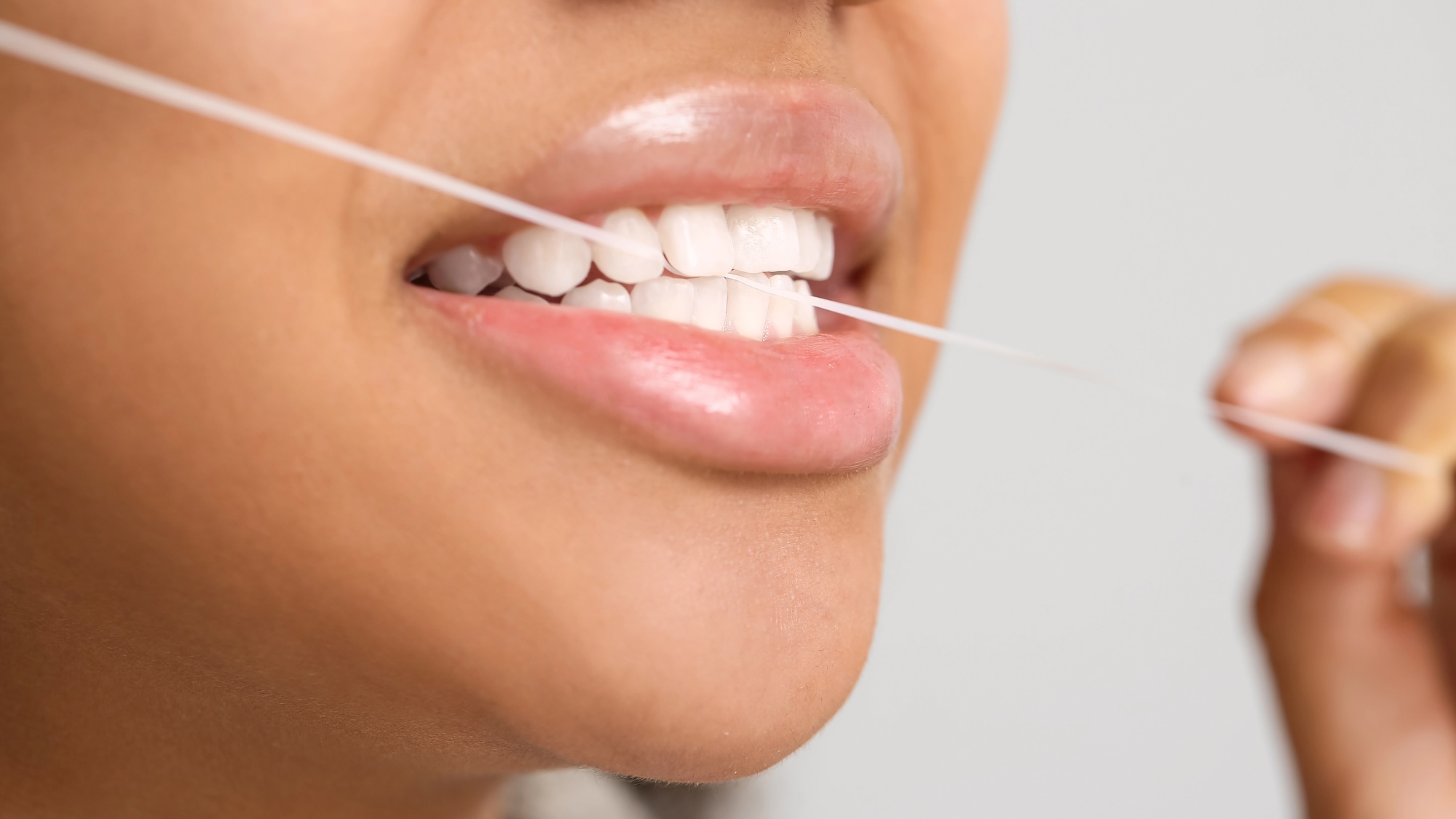
A New Way to Administer Vaccines: Using Dental Floss
For many people, receiving a vaccine through a hypodermic needle is an unavoidable part of life. While this method has been effective for decades, it’s not without its challenges. The use of needles can be uncomfortable, especially for those with a fear of injections or a low pain threshold. Additionally, used syringes pose a risk as biohazards. Researchers are now exploring an innovative alternative that could make the process more comfortable and efficient—dental floss.
This groundbreaking approach was recently detailed in a study published in Nature Biomedical Engineering. The research team, led by biomedical engineers at North Carolina State University, discovered that dental floss could serve as a practical tool for delivering vaccines. Their findings suggest that this method might offer a more effective and less painful way to administer vaccines compared to traditional methods.
The Limitations of Current Vaccine Delivery Methods
Hypodermic needles have long been the standard for administering vaccines due to their speed and effectiveness. However, they also come with limitations. For instance, they primarily stimulate antibody production in the bloodstream, which may not be ideal for pathogens like influenza and SARS-CoV-2, which often enter the body through the nose and mouth.
Nasal sprays have emerged as an alternative, but they often struggle to penetrate the epithelium—a protective tissue lining that blocks viruses and other harmful particles from entering the bloodstream. This barrier exists in many parts of the body, including the lungs, intestines, and stomach. However, there is one area where this protective layer is absent: the junction between the teeth and gums. This unique feature has sparked interest among researchers.
The Junctional Epithelium: A Unique Opportunity
The junctional epithelium, located between the teeth and gums, lacks the same protective barrier found elsewhere in the body. This makes it more permeable, allowing for easier interaction with immune cells. As a result, it offers a promising site for vaccine delivery.
Harvinder Singh Gill, a biomedical engineer at NCSU and a co-author of the study, explained that this region presents a unique opportunity for introducing vaccines. “Without the protective lining, the junctional epithelium is open to release bacteria-fighting immune cells into your mouth—as well as any vaccine-induced antibodies,” he said.
Testing the Concept on Lab Mice
To test their hypothesis, the researchers applied a traditional peptide flu vaccine to unwaxed dental floss and used it to clean the teeth of lab mice. They also tested two other groups of rodents, one receiving the vaccine through the nasal epithelium and another via the mucosal tissue under their tongues.
The results were impressive. The flossing technique produced a stronger antibody response on mucosal surfaces compared to the current gold standard of oral vaccination. It also provided comparable protection against the flu virus as the nasal delivery method. Additionally, the researchers noted that this method did not carry the same risk of reaching the brain, which can sometimes occur with intranasal vaccines.
Expanding the Research
Beyond the flu vaccine, the team tested the floss delivery method on three other major vaccine classes: inactivated viruses, mRNA, and proteins. Each time, the junctional epithelium proved to be an effective site for introducing antibodies into the bloodstream and across mucosal surfaces. Even when the mice ate or drank shortly after receiving the vaccine, their immune response remained consistent.
Human Trials and Future Prospects
In a small human trial, volunteers used floss picks coated in fluorescent food dye. The results showed that approximately 60% of the dye was deposited in the gum pocket, suggesting that floss picks could be a practical tool for vaccine delivery.
Gill and Ingrole plan to continue their research before considering clinical trials. While the method shows promise, there are some limitations. For example, flossing only works if a person has teeth, making it unsuitable for infants and toddlers. Additionally, more studies are needed to determine whether conditions like gum disease might affect vaccine efficacy.
A Pain-Free Alternative
Despite these challenges, the flossing method offers a potentially pain-free and easy-to-use alternative for vaccine delivery. If successful, this innovation could significantly improve vaccination rates, leading to better public health outcomes. As researchers continue to refine their approach, the future of vaccine administration may look very different from what we know today.

Post a Comment for "Vaccine Delivery Through Dental Floss: A New Frontier"
Post a Comment