Utah Governor Urges Policymakers to Act on Homelessness Executive Order
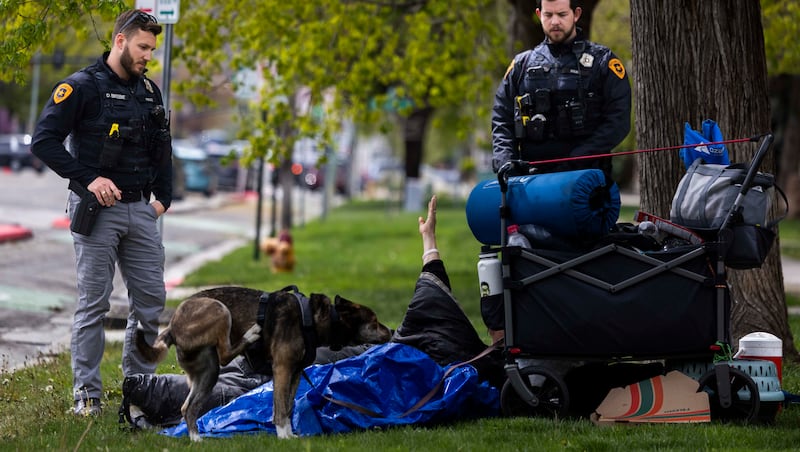
Utah Governor Urges Accelerated Action on Homelessness Response
Utah Governor Spencer Cox has directed the Utah Homeless Services Board to expedite its efforts in alignment with President Donald Trump’s executive order, which reversed the federal government's "housing first" approach to homelessness. In a letter co-signed by Utah Senate President Stuart Adams and House Speaker Mike Schultz, Cox urged board members—including Salt Lake City Mayor Erin Mendenhall and State Homeless Coordinator Wayne Niederhauser—to “fulfill the President’s executive order and uphold public safety.”
The letter emphasized that Utah should remain a place where lives can be meaningfully transformed, not one where chaos and disorder flourish. It stated, “President Trump’s executive order reinforces what many of us in Utah have long understood: that effective solutions to homelessness require both accountability and support.”
Understanding the Executive Order
On Thursday, President Trump issued an executive order requiring federal agencies to facilitate the use of state civil commitment to move homeless individuals into long-term institutional care if they pose a risk to themselves or others due to severe mental illness or substance use disorders. The order also mandates that departments prioritize grant money for states that enforce strict measures against illicit drug use and urban camping. Additionally, it requires outpatient treatment or civil commitment for high-risk individuals and tracks sex offenders who are homeless.
Agencies will be authorized to increase funding for drug courts and mental health courts while halting funds for supervised drug consumption programs and ending support for “housing first” initiatives that do not promote recovery. The letter from Cox highlighted that chronic homelessness is directly linked to mental illness, substance abuse, and the loss of human dignity. It further noted that the President’s directive aligns federal agencies with Utah’s approach, fostering a renewed national commitment to public safety and order.
Next Steps for the Homeless Board
Cox called on the board to accelerate work on the state’s proposed 30-acre, 1,200-bed “central campus,” designed to provide comprehensive homeless services. This facility, described as “a transformative, services-based homeless campus,” would focus on “recovery, treatment, and long-term outcomes, not just emergency shelter.” It aims to integrate sobriety programs and life-skills classes.
However, the project has yet to break ground due to challenges in securing land. Until a final location is identified, the board has avoided making significant funding requests to the Legislature. If the campus is to mirror successful models in San Antonio, Texas, and Reno, Nevada, it could require up to $25 million in ongoing state funding.
“We are moving quickly to advance a service-rich homeless campus, streamline reporting, and improve outcomes across the system,” said Niederhauser, the State Homeless Coordinator. “Together, we remain focused on making homelessness in Utah rare, brief, and non-recurring.”
Policy Recommendations and Legislative Focus
Utah’s top elected leaders have also asked the board to identify gaps in the state’s homelessness response, develop policy recommendations for the upcoming legislative session, streamline service provider paperwork, and ensure that funding requests align with the president’s executive order.
In a statement to the Deseret News, Randy Shumway, chair of the Utah Homeless Services Board, affirmed that board members “firmly stand” with Cox, Adams, and Schultz in prioritizing a homelessness system rooted in treatment, accountability, dignity, and long-term recovery. He emphasized that compassion and accountability are not opposing forces but essential partners. “We support the state’s call to invest in effective solutions—ones that treat root causes and restore dignity,” Shumway said.
Law Enforcement and Systemic Changes
The letter also highlighted the work of newly appointed Salt Lake City Police Chief Brian Redd in “restoring safety and order in our capital city.” It underscored the importance of law enforcement as a key component of the state’s homelessness response system.
The Utah Homeless Services Board must provide recommendations and legislative proposals to the governor and legislative leadership before September 30. This initiative reflects a broader effort to implement a more structured and effective approach to addressing homelessness in Utah.

Post a Comment for "Utah Governor Urges Policymakers to Act on Homelessness Executive Order"
Post a Comment