USD Faces Worst Start in 50 Years Amid Trump's Tariffs, But Investors See Positives
Understanding the Decline of the U.S. Dollar and Its Impact
The U.S. dollar has experienced a significant decline, dropping 10% over the last six months according to the U.S. Dollar Index. This drop marks the lowest value of the dollar since the Nixon years, when the price of gold was no longer tied to the USD in 1973, leading to a rapid decrease in the dollar’s value. The implications of this decline are being felt by many Americans, especially those traveling abroad.
Travelers Facing Increased Costs
With the dollar down 13% against the euro and 6% against the Japanese yen, international travelers are facing higher costs for their summer vacations. Destinations like Tokyo, Rome, Paris, and Barcelona are becoming more expensive, forcing travelers to adjust their budgets accordingly. This situation highlights the need for financial strategies that can help mitigate the impact of a weaker dollar on personal finances.
Factors Contributing to the Dollar's Decline
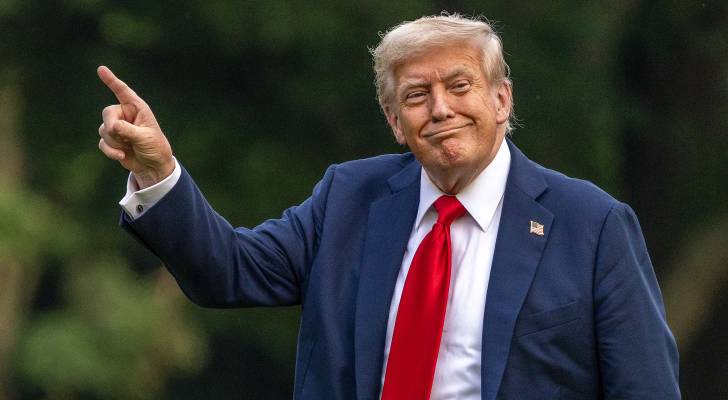
According to reports from the New York Times, part of the recent decline is attributed to President Donald Trump’s tariff threats, which have led to an isolationist foreign policy. Additionally, the recently passed “big, beautiful bill” is expected to increase the national debt by $3.4 trillion, as reported by the Congressional Budget Office. Inflation concerns and rising government debt are also contributing to the dollar's depreciation.
Protecting Your Investments
For investors concerned about the dollar's decline, there are several strategies to consider:
Invest in Gold
Gold has long been considered a safe haven during times of economic uncertainty. With its value not tied to any particular currency, gold can serve as a hedge against a weakening dollar. Recent reports indicate that gold's share in foreign exchange reserves has more than doubled compared to a decade ago. Experts predict that gold prices could reach $4,000 per ounce by mid-2026, making it an attractive investment option.
A gold IRA allows investors to hold physical gold or gold-related assets within a retirement account, offering tax advantages and protection against a declining dollar. Some providers offer incentives such as receiving up to $10,000 in precious metals for free with qualifying purchases.
Invest in Real Estate
Real estate can provide a solid alternative for diversifying your portfolio. A weaker dollar often makes U.S. real estate more appealing to foreign investors due to increased purchasing power. Rising inflation typically leads to higher real estate prices, which can result in increased rental income for landlords.
If you're not interested in being a landlord, there are other options such as investing in home equity through platforms like Homeshares. These platforms allow accredited investors to invest in high-quality residential properties without the hassle of property management. For those interested in short-term rentals, Arrived offers shares in SEC-qualified investments in rental homes and vacation rentals, with a low initial investment required.
Consider Fine Art Investments
Fine art is another asset class that can appreciate significantly over time. Contemporary art has outperformed the S&P 500 by 43% from 1995 to 2024. Platforms like Masterworks allow investors to purchase fractional shares of artwork from renowned artists such as Picasso and Banksy. These platforms handle the logistics of acquiring and storing the artwork, making it a hands-off investment.
Diversify with International Investments
When trust in the dollar wanes, investors often seek better returns in international markets. Kristian Kerr, head of macro strategy for LPL Financial, notes that investors tend to move their capital to places where they can generate better returns. Maintaining a healthy mix of international assets can protect your portfolio during periods of dollar weakness.
Platforms like Advisor.com can help match you with a financial advisor who can guide you in creating a well-diversified portfolio. These advisors are legally obligated to act in your best interest, ensuring your investments are managed responsibly.
Conclusion
The decline of the U.S. dollar presents both challenges and opportunities for investors. By considering strategies such as investing in gold, real estate, fine art, and international markets, you can protect and grow your wealth during times of economic uncertainty. It's essential to stay informed and make informed decisions to navigate the current financial landscape effectively.

Post a Comment for "USD Faces Worst Start in 50 Years Amid Trump's Tariffs, But Investors See Positives"
Post a Comment