U.S. Turns to Korea and Japan for Shipbuilding Power to Counter China
U.S. Senators Explore Shipbuilding Partnerships with South Korea and Japan
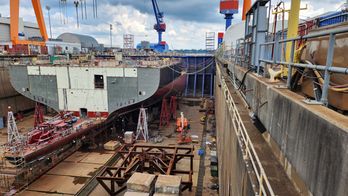
A ship commissioned by the U.S. government is currently under construction at the Hanwha Philly Shipyard in Philadelphia, Pennsylvania. This development highlights growing interest among American lawmakers to collaborate with international partners to strengthen domestic shipbuilding capabilities. The initiative comes as the United States faces increasing challenges in maintaining its naval and maritime infrastructure, especially in light of China’s dominance in the global shipbuilding industry.
Senators Tammy Duckworth and Andy Kim are leading a diplomatic trip to South Korea and Japan to explore opportunities for cooperation. Their goal is to assess how the U.S. can leverage the expertise and capacity of these countries’ shipbuilding sectors to support its own military needs. The senators plan to meet with top shipbuilders from the world’s second- and third-largest shipbuilding nations, with a focus on forming joint ventures to construct and repair noncombatant vessels for the U.S. Navy.
Addressing a Critical Gap in U.S. Naval Capacity
The urgency behind this effort stems from a significant decline in U.S. shipbuilding capacity over the past two decades. According to Senator Duckworth, the current capacity is lower than it was during Operation Iraqi Freedom in 2003. “We have to rebuild the capacity,” she said. “At the same time, what capacity we have is aging and breaking down and taking longer and more expensive to fix.”
This concern has been echoed by policymakers who are worried about the growing imbalance in naval power between the U.S. and China. In 2024, the U.S. commercial shipbuilding sector accounted for just 0.1 percent of global capacity, while China produced 53 percent. South Korea and Japan also play major roles in the industry, further emphasizing the need for strategic partnerships.
Strategic Collaboration and Joint Ventures
The senators are looking into various ways to enhance U.S. shipbuilding capabilities through collaboration. One key area is the construction of auxiliary vessels—noncombatant ships such as fueling and cargo ships that support military operations. These vessels are essential for sustaining naval forces, but the U.S. Navy’s auxiliary fleet is aging and insufficient in numbers.
Another possibility involves repairing U.S. ships in the Indo-Pacific region. “If we have to bring ships all the way back to the United States [...] to wait two years to be fixed, that doesn’t help the situation,” Duckworth explained. By working with foreign shipyards, the U.S. could reduce maintenance times and costs, improving operational readiness.
Recent Developments in U.S.-Korea Shipbuilding Cooperation
South Korea and the U.S. have already made progress in shipbuilding cooperation. In March, Hanwha Ocean completed maintenance work for a 41,000-ton U.S. Navy dry cargo and ammunition ship in Korea. This project marked the company’s first major repair under a new agreement with the U.S. Navy.
In addition, Hanwha Group acquired the Philly Shipyard in Philadelphia, which specializes in building large merchant vessels that serve as part of the reserve auxiliary fleet. This acquisition aligns with broader efforts to boost U.S. shipbuilding capacity.
Earlier this month, South Korea proposed a $150 billion investment in the U.S. shipbuilding industry as part of discussions with the White House. This move supports President Donald Trump’s “Make American Shipbuilding Great Again” initiative, aiming to revitalize domestic shipyards and create jobs.
Looking Ahead: Challenges and Opportunities
Despite these developments, the U.S. still faces significant hurdles in rebuilding its shipbuilding infrastructure. A 2024 Navy review found that many of its major shipbuilding programs were one to three years behind schedule. Meanwhile, China continues to expand its influence in the industry, having recently merged two state-owned shipbuilders to form the world’s largest shipbuilding company.
Senator Duckworth has also engaged in discussions with Hyundai Heavy Industries about potential investments in U.S. shipyards. These conversations underscore the importance of forging long-term partnerships to ensure the U.S. remains competitive in the global shipbuilding market.
As the U.S. seeks to modernize its naval capabilities, collaboration with allies like South Korea and Japan will play a crucial role in addressing the growing challenges posed by China’s dominance. Through joint ventures, technology sharing, and strategic investments, the U.S. may find new pathways to strengthen its maritime strength and secure its position as a global leader.

Post a Comment for "U.S. Turns to Korea and Japan for Shipbuilding Power to Counter China"
Post a Comment