US officials target kratom products amid supplement industry complaints
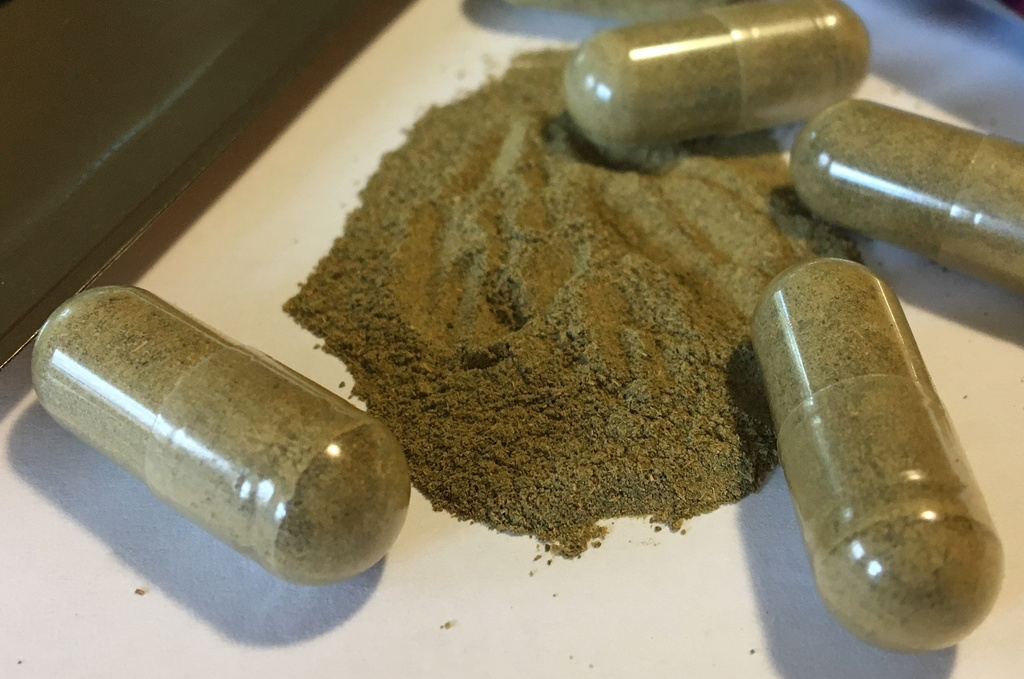
Understanding the Risks of 7-Hydroxymitragynine
U.S. health officials are sounding the alarm about a chemical compound known as 7-hydroxymitragynine, which is increasingly being found in energy drinks, gummies, and supplements sold at gas stations and convenience stores. This ingredient, derived from the kratom plant native to Southeast Asia, has become a growing concern for regulators due to its opioid-like effects and potential for harm.
Kratom has gained popularity in the United States as an unapproved treatment for pain, anxiety, and drug dependence. However, the presence of 7-hydroxymitragynine raises serious safety concerns. It is considered a concentrated, synthetic form of kratom’s natural compounds and is believed to be more potent than morphine.
The U.S. Food and Drug Administration (FDA) has taken steps to address this issue by releasing a report that highlights the risks associated with 7-hydroxymitragynine and distinguishes it from the natural kratom leaf. The agency is recommending that this substance be placed on the federal government's most restrictive list of illegal drugs, which includes substances like LSD and heroin.
FDA Commissioner Marty Makary emphasized the importance of regulation and public education in preventing another wave of the opioid epidemic. He stated that 7-hydroxymitragynine is an opioid that poses significant risks to consumers.
Regulatory Actions and Industry Responses
The FDA’s recommendation will need to be reviewed by the Drug Enforcement Administration (DEA), which sets federal rules for high-risk drugs. A national ban on 7-hydroxymitragynine would not take effect until the DEA drafts and finalizes new rules governing the ingredient.
Federal regulators have been scrutinizing kratom for over a decade due to reports of addiction, injury, and overdose. Despite these concerns, users and distributors have long opposed efforts to regulate it, arguing that kratom could serve as a safer alternative to opioid painkillers that have fueled the ongoing drug addiction crisis.
In recent months, the FDA issued warning letters to seven companies selling products infused with 7-hydroxymitragynine. These products were found to violate FDA regulations because they have not been evaluated for safety and, in some cases, made medical claims related to conditions such as pain, arthritis, and anxiety.
Supplement executives have welcomed the FDA's actions, with Ryan Niddel of Diversified Botanics praising the agency for its data-driven approach to protecting consumers. However, the American Kratom Association, an industry group, has lobbied Congress against stricter regulations on kratom. Their supported legislation aims to prevent the FDA from regulating kratom more strictly than food and dietary supplements.
Ongoing Debates and Public Concerns
A rival group, the Holistic Alternative Recovery Trust, criticized the government's move, suggesting that the opposition comes from kratom suppliers who fear losing market share. They argue that the focus on 7-hydroxymitragynine is a way to shift blame onto a specific compound rather than addressing broader issues with unregulated kratom products.
Historically, the federal government came close to banning kratom in 2016 when the DEA proposed adding it to Schedule I, which includes drugs with no medical use and a high potential for abuse. However, this plan was delayed due to public backlash, including a letter signed by over 60 members of Congress.
Since then, the FDA has continued to monitor kratom and issued warnings about its potential for harm. In 2018, the agency concluded that kratom contains chemicals similar to opioids, which include addictive drugs like OxyContin, heroin, and fentanyl. The FDA has also warned about other unapproved drugs sold as supplements or energy drinks, such as the antidepressant tianeptine.
These substances, sometimes referred to as "gas station heroin," have faced restrictions in several states but remain unscheduled at the federal level. As the debate over kratom and its derivatives continues, the need for clear regulations and consumer education remains critical.

Post a Comment for "US officials target kratom products amid supplement industry complaints"
Post a Comment