US-Japan trade deal imposes 15% vehicle tax and $550B investment boost
Trump Announces Major Trade Deal with Japan
President Donald Trump announced a significant trade deal with Japan, claiming it to be the largest of its kind. The agreement involves reducing tariffs on Japanese products, particularly automobiles, which are among Japan's top exports.
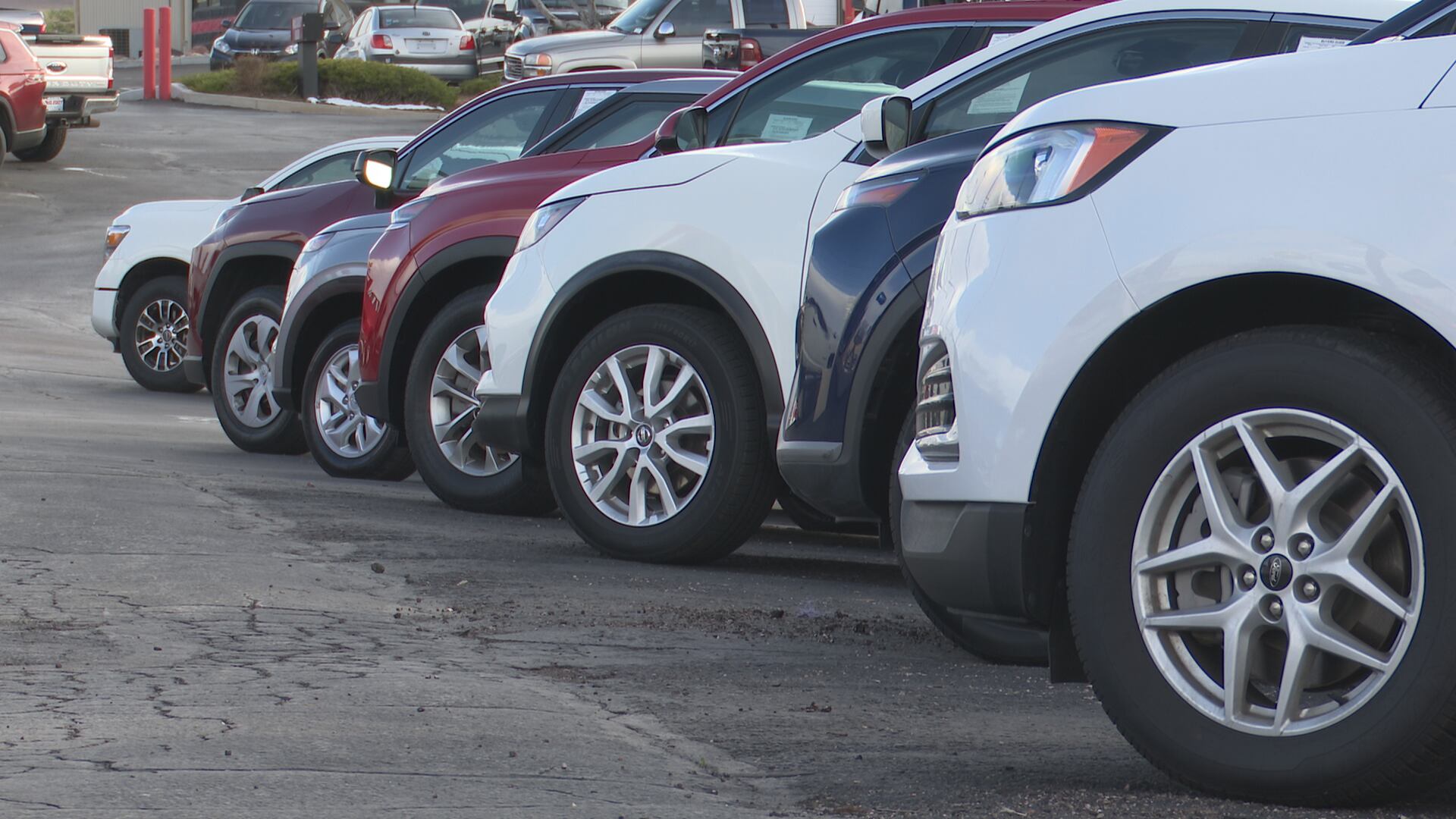
The deal was revealed through Trump’s social media platform, where he stated that Japan had agreed to invest $550 billion in the United States. In return, Trump committed to lowering import taxes on Japanese goods from 25% to 15%. These tariffs are taxes paid by U.S. companies and individuals who purchase goods from other countries.
While some details remain unclear, Trump emphasized that this is an unprecedented agreement. He described it as "the largest Deal ever made" and claimed there has never been anything like it before.
Japan's government confirmed the new deal, with Chief Cabinet Secretary Yoshimasa Hayashi stating that the two sides agreed on a 15% tariff on Japanese vehicles and auto parts imported into the U.S., without volume restrictions. This is a reduction from the 25% U.S. tariff on foreign cars that took effect in April.
Jeff Schott, a senior fellow at the Peterson Institute for International Economics, noted that securing $550 billion in investment from Japan would make this deal unique. While specifics about the investment period and financing are unknown, possible investments could include Nippon Steel’s takeover of U.S. Steel or a joint venture to export liquified natural gas from Alaska.
Schott suggested that the trade deal could set a template for future negotiations with other nations, including ongoing talks with South Korean officials.
Deadline for New Trade Agreements
The news of the deal with Japan came shortly after the White House announced new trade arrangements with Indonesia and the Philippines ahead of an August 1 deadline. On this date, steeper tariffs are scheduled to take effect on trading partners around the world.
Trump had previously threatened Japan with a 25% “reciprocal” tariff on all Japanese goods starting August 1. Additionally, he imposed special sectoral and national security tariffs on foreign automobiles at 25%, and imported steel and aluminum at 50%.
In early April, Trump shocked global markets by announcing a universal 10% tariff on every foreign good entering the U.S., along with additional “reciprocal” import taxes on major trading partners based on their trade relationship with the U.S.
Initially, Trump imposed a 24% reciprocal tariff on Japan, which imports less from the U.S. than the U.S. imports from Japan. The U.S. had a $69.4 billion trade deficit with Japan in 2024, according to the Census Bureau.
Trump has delayed his reciprocal tariffs on other economies twice, aiming to leverage these threats into agreements. However, no new deal has been reached with the European Union, another major trading partner.
Legal Challenges to Tariffs
The U.S. Appeals Court for the Federal Circuit is set to hear oral arguments on July 31 regarding Trump’s reciprocal tariffs. These tariffs were triggered when Trump declared international trade a national emergency under the International Emergency Economic Powers Act.
In May, the U.S. Court of International Trade struck down Trump’s emergency tariffs as unconstitutional following two legal challenges brought by business owners and Democratic state attorneys general. Arizona, Colorado, Maine, Minnesota, Nevada, New Mexico, and Oregon were among the states involved in the lawsuit.
V.O.S. Selections, a New York-based company that imports wine and spirits from 16 countries, led the business plaintiffs. Other plaintiffs included a Utah-based plastics producer, a Virginia-based children’s electricity learning kit maker, a Pennsylvania-based fishing gear company, and a Vermont-based women’s cycling apparel company.
Upon appeal from the White House, the Federal Circuit allowed Trump’s tariffs to remain in place while the case continues to move forward.

Post a Comment for "US-Japan trade deal imposes 15% vehicle tax and $550B investment boost"
Post a Comment