US and Mexico Seal Historic Pact to Tackle Toxic Crisis: 'We Want to Survive'
A Major Step Toward Cleaner Borders
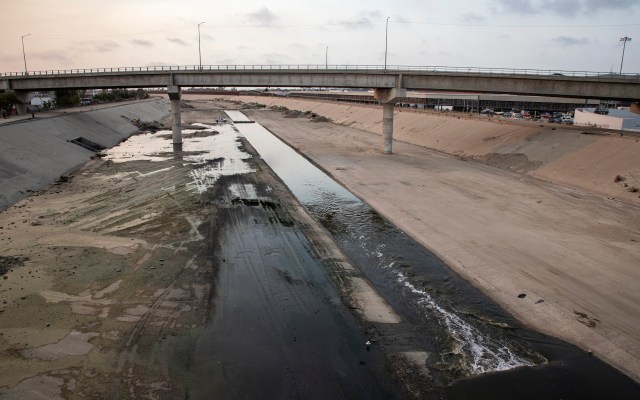
The United States and Mexico have reached a significant agreement to tackle the ongoing issue of sewage pollution flowing from Mexico into Southern California through the Tijuana River. This breakthrough deal involves a commitment from Mexico to invest $93 million in infrastructure improvements aimed at addressing the problem. In exchange, the U.S. has agreed to release funds and start delayed water projects along the border, including repairs to a deteriorating pump.
For years, millions of gallons of untreated sewage, industrial chemicals, and other hazardous materials have been dumped into the Tijuana River, which crosses into San Diego County and eventually flows into the Pacific Ocean. This issue, which dates back over a century, has worsened significantly due to the rapid population growth in Tijuana. Meanwhile, critical infrastructure such as sewage treatment plants has fallen into disrepair on both sides of the border.
Raw sewage poses serious health risks, containing harmful bacteria that can cause illnesses ranging from gastroenteritis to hepatitis A and typhoid fever. According to the Indiana Department of Health, exposure to contaminated water can lead to immediate or delayed health effects. In San Diego County, officials have detected various harmful contaminants, including arsenic, heavy metals, hepatitis, E. coli, salmonella, and banned pesticides like DDT.
The impact of this pollution is particularly severe in Imperial Beach, a once-thriving beach community now struggling with unsafe conditions. The shoreline has been closed for 1,200 consecutive days, according to reports. Paloma Aguirre, the mayor of Imperial Beach, described the situation as a "public health ticking time bomb" that needs urgent attention.
Military Readiness at Risk
The contamination has also raised concerns about military readiness. A report by the Defense Department's Inspector General found that from January 2019 to May 2023, 1,168 cases of acute gastrointestinal illness were diagnosed among Navy SEAL and Special Warfare Combat Crewman candidates training in the area. The report concluded that the military ignored public-health warnings and continued ocean-based training exercises despite dangerous levels of contamination.
This situation has become so critical that it could potentially affect the military's training mission in the region. Jim Desmond, a member of the San Diego County Board of Supervisors, praised the new agreement as a "significant step forward." He emphasized that beaches must be clean, safe, and open year-round, stating that anything less is unacceptable.
Community Needs and Hope for Change
Local residents have expressed their simple yet essential request: they want to be able to survive. Jesse Ramirez, who has owned a surf and skate shop in Imperial Beach for 30 years, echoed this sentiment, highlighting the need for cleaner waters and safer environments.
With the new agreement calling for Mexican infrastructure projects to be completed by December 2027, there is hope for improvement. The situation has reached a critical point, and the collaboration between the U.S. and Mexico represents a crucial effort to address the long-standing issue of sewage pollution. As both nations work together, the goal is to ensure that communities along the border can thrive without the threat of contaminated water.

Post a Comment for "US and Mexico Seal Historic Pact to Tackle Toxic Crisis: 'We Want to Survive'"
Post a Comment