Urgent Warning: Scientists Warn of Threat to Food Supply and Human Health
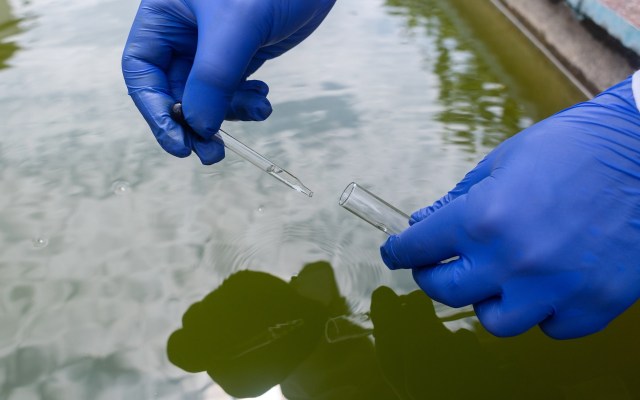
The Threat of Mercury and Invasive Algae in North Carolina
Mercury is a toxic element that can cause serious harm to the nervous, digestive, and immune systems. According to global health authorities, mercury poses significant risks to human health when it accumulates in the environment. Recently, a new report highlighted growing concerns about rising mercury levels near an invasive species of algae in North Carolina.
What’s Happening on North Carolina Beaches?
North Carolina beaches are currently facing a threat from an invasive species of macroalgae known as Gracilaria vermiculophylla. This algae has long, stringy strands that easily become tangled in native grasses and marshlands, causing damage to these ecosystems. As the strands join together, they form dense algal mats that can displace plants and animals, while also reducing the availability of light and oxygen. This low-oxygen environment creates ideal conditions for certain microbes that produce methylmercury, a highly toxic form of mercury.
Coastal biologist Byron Toothman conducted tests on Eastern mud snails living near the algae and those living farther away. He found that snails closer to the algae had "about two to three times as much mercury" in their systems. Similar patterns have been observed in shrimp and oysters, raising concerns among scientists that higher mercury levels could eventually make their way into the human food supply.
Why Are Invasive Species a Serious Problem?
Invasive species like Gracilaria vermiculophylla are particularly damaging because they outcompete native species for resources, leading to ecological imbalances. A study published in the Journal of Preventive Medicine & Public Health explains that inorganic mercury in the environment dissolves into water, accumulates through the food chain, and ultimately affects human health. When invasive species disrupt local ecosystems, they can create conditions that amplify environmental hazards, such as increased mercury levels.
Efforts to Combat the Invasive Algae
Once invasive species establish themselves in a new ecosystem, they are notoriously difficult to remove. One strategy to protect native species involves planting native plants, which can create attractive habitats for local wildlife and help maintain ecological balance. These efforts can also support natural resources, safeguard food supplies, and reduce the spread of diseases.
In the case of Gracilaria vermiculophylla, the algae spreads easily through boats. According to the Global Invasive Species Database, boat owners are being urged to be more vigilant. They are advised to regularly inspect their vessels for small pieces of the invasive plant and ensure boats dry completely to prevent further spread.
How Can You Help?
Individuals can play a role in preventing the spread of invasive species by taking simple steps, such as cleaning boats and equipment before and after use. Additionally, staying informed about environmental issues and supporting conservation efforts can contribute to healthier ecosystems.
Final Thoughts
The presence of invasive algae and the associated rise in mercury levels highlight the complex interactions between human activity, environmental health, and public safety. Scientists are urging continued research and proactive measures to address these challenges and protect both wildlife and human populations.

Post a Comment for "Urgent Warning: Scientists Warn of Threat to Food Supply and Human Health"
Post a Comment