Unprecedented Clawback Threatens Nebraska Public Media's Future
The Impact of Federal Funding Cuts on Public Media
Federal funding for public media has undergone significant changes, leading to uncertainty and challenges for public broadcasting organizations across the United States. These changes were initiated by the administration of President Donald Trump and approved by Congress, marking a shift from the long-standing practice of forward-funding. This new approach has forced many public media outlets to reassess their financial strategies and operations.
Stacey Decker, the general manager of Nebraska Public Media (NPM), highlighted the historical context of this funding model. "Public broadcasting has been forward-funded since 1975," Decker explained. "That was actually put in place to allow for journalists to do their job and cover government and not be penalized." This system allowed media organizations to plan and operate with greater stability, knowing that funds would be available for future projects.
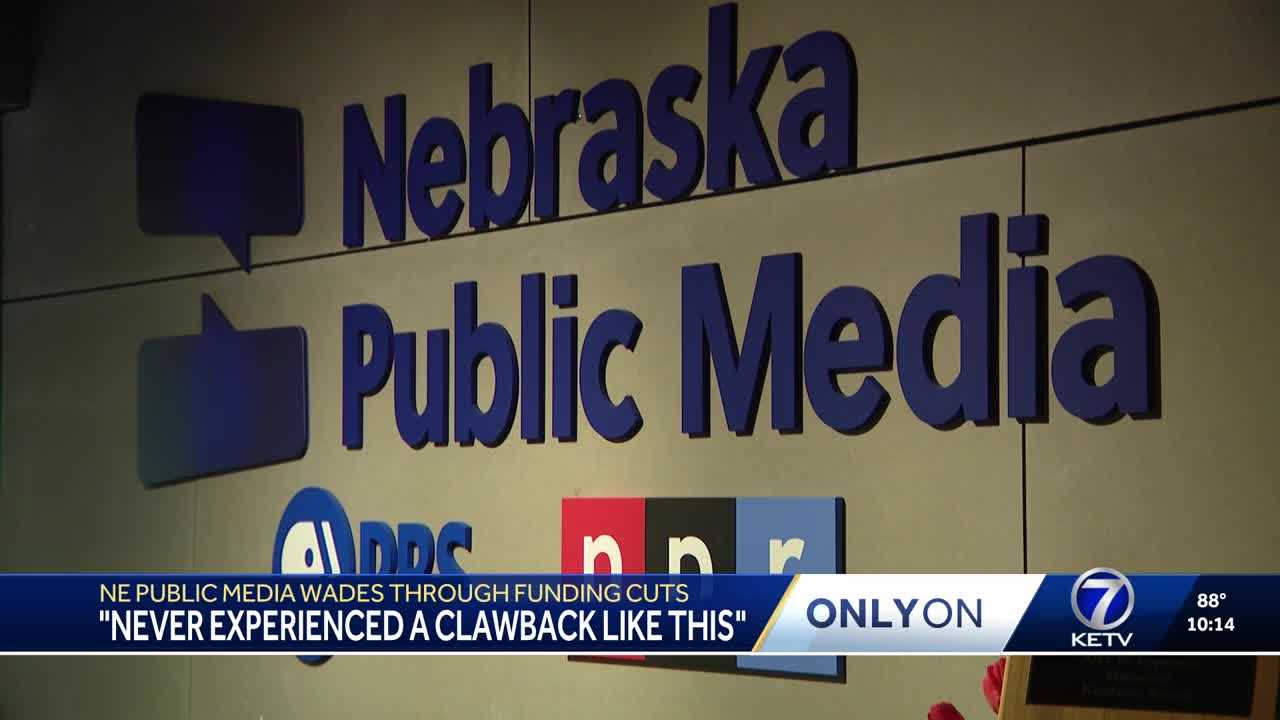
However, recent changes have disrupted this stability. NPM is now facing a loss of $8 million in federal funds over the next two years, as part of broader cuts to NPR and PBS. This reduction accounts for about 16% of NPM's annual budget, which is a significant blow to its operations. Decker emphasized that this situation is unprecedented. "We've never experienced a claw back like this," he said. "This is a much different political environment."
The decision to cut federal funding was supported by U.S. senators and representatives from Nebraska, including Rep. Mike Flood, who is himself a broadcaster. Flood supported the move, stating that it shifts public broadcasting to the annual appropriations process, similar to other federal agencies. He also noted that public broadcasting relies on multiple revenue sources, including state support. In Nebraska, the state provides generous funding for public media, ranking among the best in the nation on a per capita basis.
Decker acknowledged the challenges ahead but stressed that NPM will continue to serve the community. "What this affects is the national content and how much national content that PBS and NPR will be able to create or acquire on our behalf," he said. The organization is now turning to local partners and donors to make up for the shortfall while working with Nebraska’s federal delegation to regain funding in the future.
Despite the challenges, Decker defended NPM against accusations of bias from some Republican lawmakers. "There's no slant in high school sports," he said. "There's no slant in the coverage we have in the legislature. We're showing people government." He added that NPM serves as the eyes of the public, streaming Unicameral floor debates and press conferences. While the future remains uncertain, Decker expressed confidence that the institution will continue to fulfill its role.
Key Challenges and Adaptations
- Financial Uncertainty: The sudden loss of federal funds has created financial instability for NPM, forcing it to rely more heavily on local partnerships and donations.
- Operational Adjustments: The changes have led to a reevaluation of long-term planning, particularly regarding documentaries and national content production.
- Political Environment: The new funding model reflects a different political landscape, where public media must navigate annual appropriations processes rather than relying on guaranteed funding.
- Community Engagement: Despite the challenges, NPM continues to provide essential services, such as emergency weather warnings and educational content, ensuring that it remains a vital resource for the community.
As NPM navigates these changes, the broader implications for public media across the country remain to be seen. The ability of public broadcasting to adapt and thrive in this new environment will be crucial for maintaining its role as a trusted source of information and community service.

Post a Comment for "Unprecedented Clawback Threatens Nebraska Public Media's Future"
Post a Comment