UnitedHealth Slumps as Costs Soar, Premiums to Rise
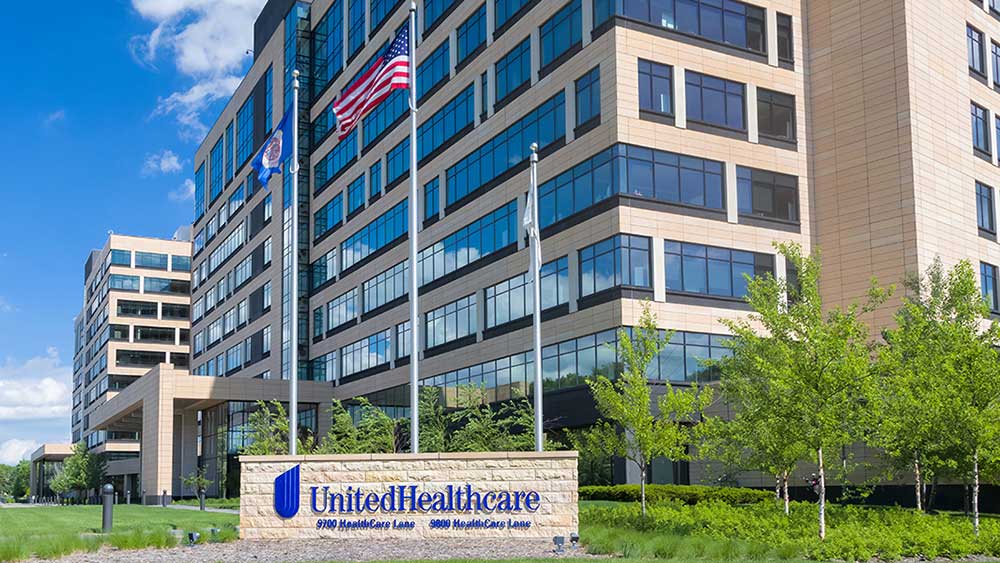
UnitedHealth's Struggles and the Impact on the Stock Market
UnitedHealth Group (UNH) has been facing significant challenges, with its second-quarter results falling short of expectations. The company reported a decline in earnings due to rising medical costs, which have surged beyond what was anticipated. This has led to a full-year earnings outlook that is significantly lower than what analysts had previously projected.
The stock market reacted swiftly to these developments, with UNH being the worst-performing stock in the Dow Jones Industrial Average this year. On early Tuesday, the stock continued to decline, reflecting investor concerns over the company’s financial health and future prospects.
Rising Medical Costs and Their Implications
One of the key issues highlighted by UnitedHealth is the rapid increase in medical costs per patient encounter. The company noted that the number, type, and intensity of services provided are all exceeding expectations, contributing to higher expenses. This trend has put pressure on the company’s profitability and has led to a reassessment of its financial strategies.
In an effort to regain growth, UnitedHealth is planning for 2026, where premium hikes will play a crucial role. The company admitted that it underpriced its 2025 Medicare Advantage plans, anticipating a 5% increase in medical costs, which has now risen to 7.5%. For 2026, the expected cost growth is even higher at 10%.
Stephen Hemsley, who has returned as CEO, emphasized the need for a rigorous approach to restore the company’s performance. He stated that strengthened operating discipline is positioning the company for growth in 2026 and beyond.
Financial Performance and Outlook
In terms of financial results, UnitedHealth reported Q2 adjusted earnings per share of $4.08, a 40% drop from the previous year and about 8% below analyst estimates. Revenue came in at $111.62 billion, slightly above the estimated $11.59 billion.
However, the results included a recognition of $1.2 billion in future losses, with half of this amount tied to Affordable Care Act marketplace coverage. The Q2 medical costs accounted for 89.4% of premiums, a significant increase of 430 basis points compared to the same period last year.
Looking ahead, UnitedHealth expects adjusted EPS of at least $16 in 2025, which represents a 42% decrease from the previous year and about 23% below current analyst views. Revenue is projected to range between $445.5 billion and $448 billion, up 11.5% at the midpoint but still slightly below analyst estimates near $449 billion.
The Broader Health Care Landscape
The challenges faced by UnitedHealth are not isolated. The broader health care sector is experiencing a significant squeeze, impacting coverage and affordability for consumers. As medical costs continue to rise, the implications for individuals and families are becoming more pronounced.
Dividend and Stock Performance
Despite the ongoing challenges, UnitedHealth remains a strong financial entity. The company recently raised its quarterly dividend by 5% to $2.21 in June, making it the fourth highest-yielding Dow Jones stocks with a yield of 3.15%.
However, the stock has experienced a steep decline, dropping 44.4% year to date through Monday, which is the worst among the 30 Dow Jones stocks. Salesforce (CRM) follows closely behind with a -19.5% decline.
Industry-Wide Challenges
Several other health insurers are also struggling, including Humana (HUM), Centene (CNC), and Molina Healthcare (MOH). These companies are focused on Medicare Advantage and Medicaid, respectively, and are facing similar challenges. Humana is set to report Q2 earnings on Wednesday, while Centene and Molina released their results last week.
On Tuesday, UNH stock fell 7.5% to $261.07. The stock had previously hit a five-year low of $248.88 after pulling guidance on May 15, but that level has held despite further negative news. However, the stock closed at a new five-year low on Tuesday.
Humana edged higher on Tuesday, while Centene and Molina saw declines. All three companies are trading at or near long-term lows.
Conclusion
As UnitedHealth navigates these challenges, the broader health care industry continues to face significant pressures. The company’s efforts to regain growth through premium hikes and improved operational discipline will be critical in determining its future success. Investors and consumers alike will be watching closely as the company works to address these pressing issues.

Post a Comment for "UnitedHealth Slumps as Costs Soar, Premiums to Rise"
Post a Comment