UN Court: Climate Inaction May Breach International Law
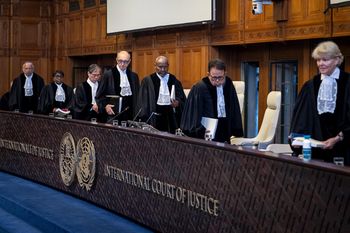
Landmark Ruling on Climate Obligations
In a significant development, the International Court of Justice (ICJ) delivered an advisory opinion affirming that a "clean, healthy and sustainable environment" is a human right. This landmark decision underscores the international community's responsibility to address climate change and its far-reaching impacts. While the ruling is not legally binding, it carries substantial legal weight and moral authority, signaling a shift in global climate discourse.
The ICJ emphasized that countries could be in violation of international law if they fail to take adequate measures to protect the planet from climate change. This opens the door for potential reparations for nations affected by the consequences of climate change. The court's unanimous decision was hailed as a turning point in international climate law, with advocates celebrating the recognition of climate obligations as a critical component of global justice.
A New Legal Framework
The ruling paves the way for various legal actions, including domestic lawsuits and investment agreements. It also allows states to hold each other accountable for their climate commitments. This new framework empowers vulnerable nations, particularly those most affected by rising sea levels and extreme weather events.
The case was spearheaded by Vanuatu, a Pacific island nation, and supported by over 130 countries. All UN member states, including major greenhouse gas emitters like the United States and China, are parties to the court. This broad support highlights the global significance of the issue and the need for collective action.
Global Reactions and Implications
UN Secretary-General António Guterres welcomed the decision, calling it a victory for the planet and climate justice. He praised the efforts of young Pacific Islanders who initiated this call for action, urging the world to respond accordingly. Climate activists outside the court expressed their support, emphasizing the need for immediate action.
The ruling has significant implications for climate litigation. Activists can now bring lawsuits against their governments for failing to meet the standards set by the ICJ. This could lead to more robust climate policies and greater accountability for nations that have historically contributed to environmental degradation.
Challenges and Opposition
Despite the positive reception, some nations remain opposed to the court mandating emissions reductions. Major petroleum-producing states like the United States and Russia have shown resistance to such measures. The Trump administration's withdrawal from the 2015 Paris Climate Agreement and its stance on climate science reflect this opposition.
However, the ICJ's decision serves as a powerful tool for advocacy and legal action. Erika Lennon, a senior attorney at the Center for International Environmental Law, highlighted the potential for leveraging this ruling at the upcoming UN climate conference in Belem, Brazil. She urged states to use the decision to advance ambitious outcomes in future climate negotiations.
Historical Context and Legal Precedents
This ruling is part of a growing trend of legal victories for small island nations. Recently, the Inter-American Court of Human Rights and the European Court of Human Rights have recognized the legal duty of countries to protect the environment and their citizens from climate change. In 2019, the Netherlands' Supreme Court set a precedent by ruling that protecting citizens from climate change is a human right.
The presiding judge acknowledged the limitations of international law in addressing climate change but stressed the importance of collaboration across all fields of human knowledge to secure a sustainable future. This holistic approach is essential for tackling the complex challenges posed by climate change.
Conclusion
The ICJ's advisory opinion marks a pivotal moment in the global fight against climate change. By recognizing the right to a clean and healthy environment, the court has provided a foundation for legal action and policy reform. As the world faces increasing environmental threats, this decision serves as a reminder of the urgent need for collective action and shared responsibility. The path forward requires not only legal frameworks but also political will and international cooperation to ensure a sustainable future for generations to come.

Post a Comment for "UN Court: Climate Inaction May Breach International Law"
Post a Comment