UN agency sounds famine alarm in Gaza as aid requests rise
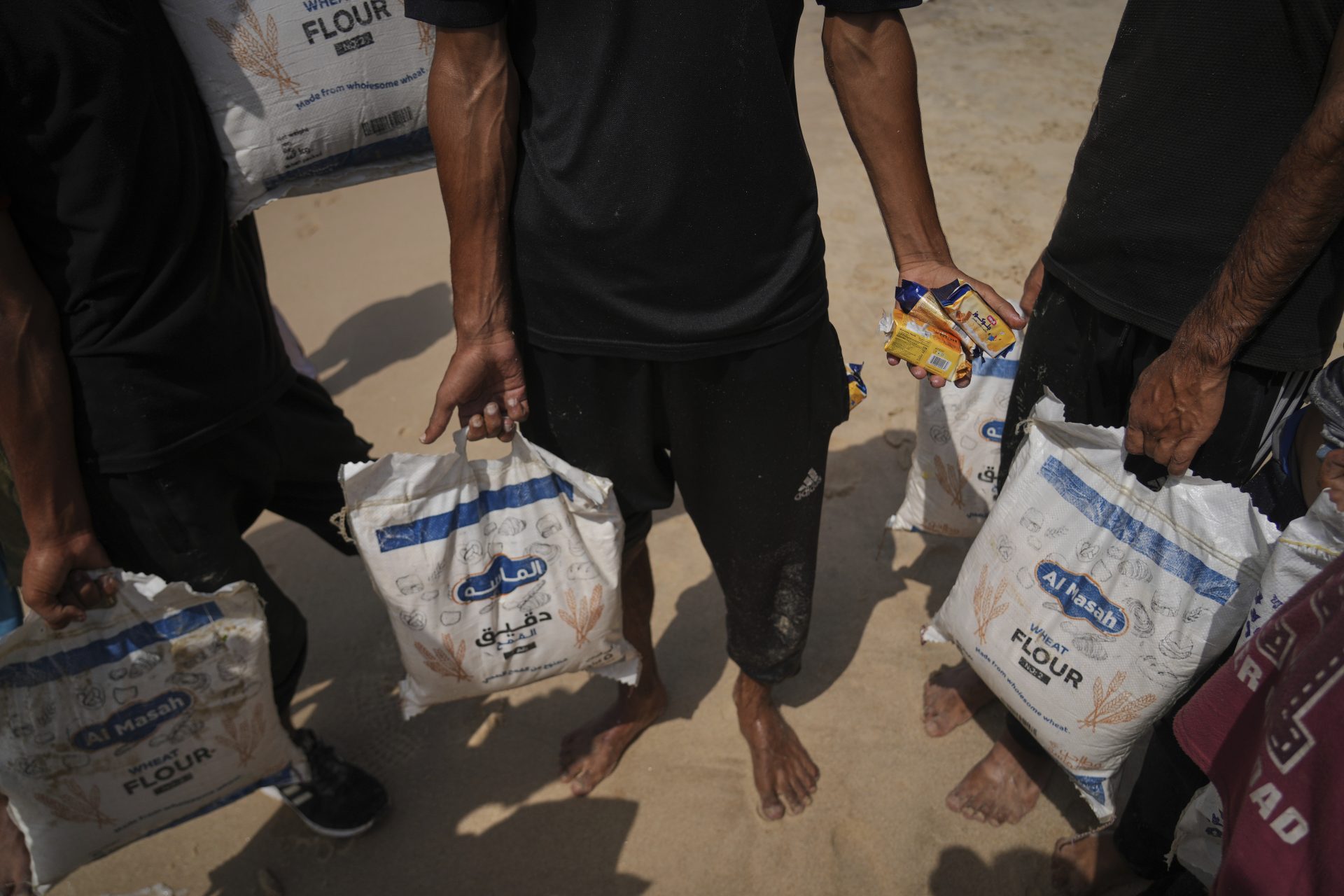
Gaza Faces Severe Famine Crisis
The United Nations has issued a dire warning that Gaza is at "grave risk" of famine, with rising cases of acute malnutrition and starvation-related deaths spreading throughout the Palestinian territory. Aid organizations continue to urge for a ceasefire, stating that Israel's current efforts to pause military operations for humanitarian aid are insufficient.
Two of Three Famine Thresholds Crossed
The U.N.'s World Food Program shared an alert from the Integrated Food Security Phase Classification (IPC), which stated that Gaza is facing a "worst-case scenario" for famine. The IPC noted that Gaza has crossed two of three thresholds required to declare a famine: food consumption and acute malnutrition. The third threshold, involving acute malnutrition and starvation-related deaths, is difficult to track due to the collapsing health system in Gaza.
Qu Dongyu, director-general of the U.N.'s Food and Agriculture Organization agency, emphasized that people are starving not because food is unavailable, but because access is blocked, local agrifood systems have collapsed, and families can no longer sustain even the most basic livelihoods.
Israeli Government's Response
Israeli Prime Minister Benjamin Netanyahu denied claims of starvation in Gaza, stating that Israel remains committed to destroying Hamas' military and governing capabilities. The Israeli Ministry of Foreign Affairs announced last week that the Israel Defense Forces will initiate "humanitarian pauses" from 10 a.m. to 8 p.m. local time in specific areas until further notice. These pauses are intended to allow for the safe passage of UN and humanitarian aid convoys delivering food and medicine across the Gaza Strip.
Millions at Risk of Famine
To declare a famine, the IPC requires an area to have at least 20% of households facing extreme food shortages, 30% of children suffering from acute malnutrition, and two or four non-trauma starvation deaths for every 10,000 persons per day. In Gaza, 39% of the population is going days without eating, and more than 320,000 children are at risk of acute malnutrition, according to the World Food Program.
Counting non-trauma-related food deaths is challenging due to the collapsing health system and limited humanitarian access. Much of the food distribution in Gaza is being managed by the Israeli- and U.S.-backed Gaza Humanitarian Foundation (GHF). GHF reported delivering just over 1.2 million meals across its three sites in Saudi, Khan Younis, and Wadi Gaza. It criticized the U.N.'s distributions as disorderly, claiming that it provides more humane and secure access to food.
However, the IPC noted that the food distributed by GHF requires water and fuel to cook, both of which are scarce. People must take long, high-risk journeys to reach the four distribution sites, while nearly 2.1 million Palestinians are restricted to living in 141 square miles of land, roughly 12% of the Gaza Strip.
Projections for Future Crises
The IPC projected that without intervention, Gaza will reach emergency levels of food insecurity and critical levels of acute malnutrition by September. Aid groups have reiterated calls for a ceasefire, emphasizing the need to stop combat, allow for the safe release of hostages, and restart "lifesaving" humanitarian operations.
Doctors Without Borders (MSF) criticized Israel's airdrops for placing people's lives at risk in resettled and militarized zones throughout Gaza. Jean Guy Vataux, MSF's emergency coordinator in Gaza, warned that 2 million people are trapped in a small area, and any airdrop could result in injuries.
Ross Smith, director of emergencies at the U.N.'s World Food Program, acknowledged that Israel's latest measure to institute humanitarian pauses could help Palestinians access more food. However, he still called for a ceasefire to fully implement humanitarian efforts and create safe distribution points. Without such measures, he said, the territory won't see sufficient change to "turn the dial on the humanitarian situation inside Gaza."

Post a Comment for "UN agency sounds famine alarm in Gaza as aid requests rise"
Post a Comment