UK to Recognize Palestinian State in September Unless Israel Ends Gaza Crisis
A Historic Shift in UK Foreign Policy
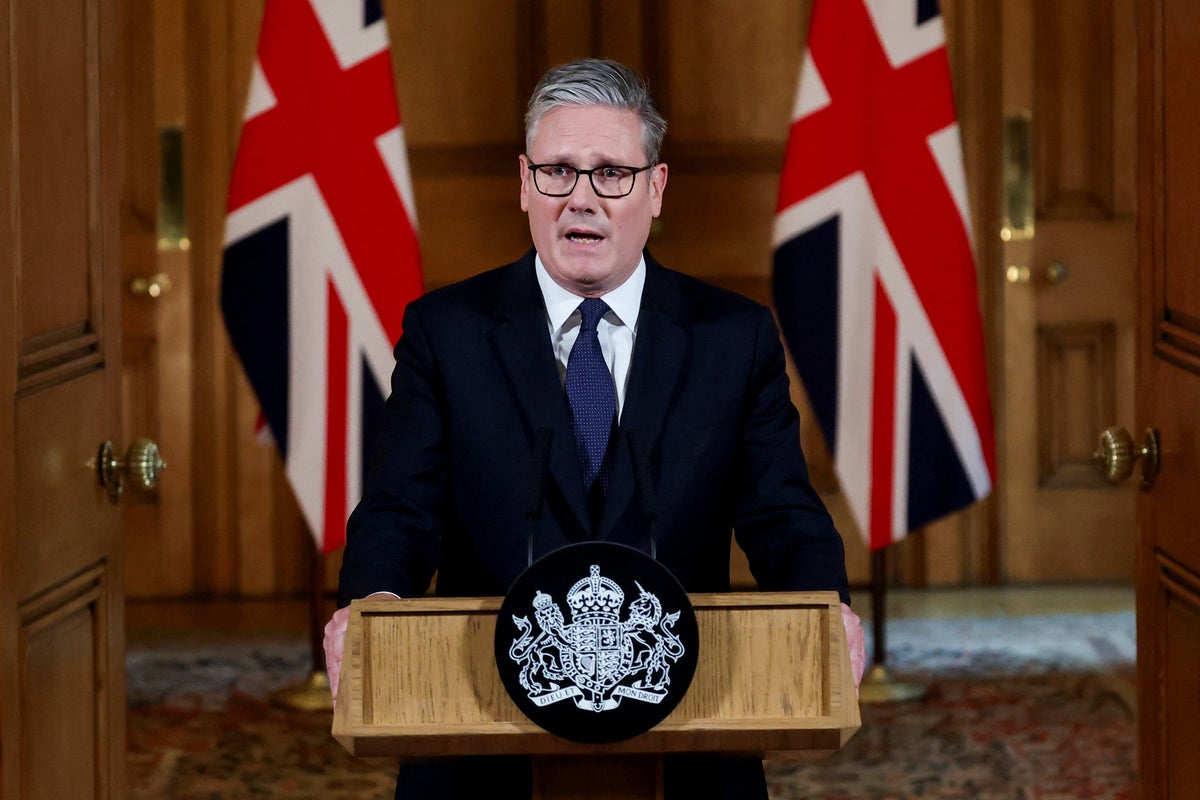
Britain is poised to recognize the state of Palestine within weeks, provided Israel ends the “appalling situation in Gaza.” This announcement by Sir Keir Starmer marks a significant shift in UK foreign policy, driven by the escalating humanitarian crisis in the region. Following an emergency cabinet meeting, the prime minister emphasized that now is the right time to advance the two-state solution.
Starmer issued an ultimatum to Benjamin Netanyahu’s government, stating that the UK could recognize Palestine as early as the United Nations General Assembly in September if Israel agrees to a ceasefire and commits to a two-state solution. The move was met with applause at the UN in New York, where Foreign Secretary David Lammy conveyed the news, highlighting what could be a historic turning point more than a century after Britain’s role in the creation of modern-day Israel.
However, Netanyahu criticized the decision, claiming it “rewards Hamas’s monstrous terrorism.” In a statement on social media, he warned that a jihadist state on Israel’s border would threaten Britain, asserting that appeasement towards terrorists always fails.
Pressure to Act on the Gaza Crisis
The prime minister has faced mounting pressure to address the worsening crisis in Gaza, with warnings about famine and starvation in the territory growing louder. Over 250 MPs have signed a letter demanding recognition of a Palestinian state, adding to the chorus of calls for action. Starmer emphasized the need for the UN to restart aid supplies and noted that the British public is “revolted” by scenes of starvation emerging from the territory.
To address the humanitarian needs, the UK aims to ensure at least 500 trucks enter Gaza daily to deliver aid, with efforts underway to restore supply routes both by air and land. Starmer reiterated the UK's stance on Hamas, urging immediate release of hostages, a ceasefire, disarmament, and acceptance of no role in the future government of Gaza. He will assess progress in September but stressed that no one should have a veto over the decision.
Concerns Over the Two-State Solution
Starmer explained that the policy change is driven by two factors: the deteriorating situation in Gaza and the diminishing possibility of a two-state solution. He argued that if a Palestinian state is not recognized soon, there may not be a state left to recognize. The prime minister outlined his peace plan during an emergency virtual cabinet meeting, following discussions with French President Emmanuel Macron and German Chancellor Friedrich Merz.
The decision to place the ball in Israel’s court was a compromise to satisfy competing factions within the cabinet. Senior members supporting recognition include Deputy Prime Minister Angela Rayner, Justice Secretary Shabana Mahmood, Energy Secretary Ed Miliband, and Foreign Secretary David Lammy. However, others, including Chancellor Rachel Reeves and Tech Secretary Peter Kyle, were concerned that recognition might “reward Hamas.”
International Reactions and Implications
Lammy, speaking from the United Nations in New York, emphasized the UK’s “special burden of responsibility” to support the two-state solution. He described Israel’s rejection of the two-state solution as morally and strategically wrong. Labour MP Sarah Champion, who organized the letter from MPs demanding recognition, called the move a “really big moment,” sending a strong political message to Israel about the self-determination of the Palestinian people.
Labour Friends of Israel (LFI) warned that recognition would be “merely symbolic” unless the UK and its allies use their influence to establish a meaningful pathway to a Palestinian state. A spokesperson stated that recognition outside of a peace process would change nothing on the ground and damage the UK’s reputation as an impartial broker.
Conservative leader Kemi Badenoch criticized the move as political posturing, arguing that recognizing a Palestinian state would not bring hostages home or end the war. She accused Starmer of recalling the cabinet to address a political problem for the Labour Party.
The Broader Context
This development highlights the complex dynamics of international relations and the challenges of addressing long-standing conflicts. The UK’s potential recognition of Palestine represents a bold step, reflecting growing global awareness of the humanitarian impact of the conflict. As the situation in Gaza continues to evolve, the actions of world leaders will play a critical role in shaping the future of the region.

Post a Comment for "UK to Recognize Palestinian State in September Unless Israel Ends Gaza Crisis"
Post a Comment