UK Adults Lack Sufficient Plant-Based Diets, Study Reveals
Understanding the Importance of Plant Diversity in the UK Diet
In the United Kingdom, people consume an average of eight different plant-based foods daily, including spices and oils. However, some individuals only eat two types of plants each day. This variation highlights the need for a more diverse diet to improve overall health.
A recent study conducted by researchers from the Department of Nutrition explored the relationship between the diversity of plant-based foods consumed and cardiometabolic health outcomes. The findings suggest that eating a wider variety of plant-based foods can lead to better cholesterol levels, improved blood sugar markers, and higher intakes of essential nutrients like fiber, vitamins, and minerals.
The role of diet in preventing and managing conditions such as cardiovascular disease and type 2 diabetes is well known. However, this study marks the first time that researchers have examined how many and which types of plant foods are consumed in the UK and how this diversity affects cardiometabolic health markers.
Dr. Eirini Dimidi, a Senior Lecturer in Nutritional Sciences at King's College London and senior author of the study, emphasized the importance of dietary variety. "Current dietary guidance in the UK often emphasizes quantity, such as '5-a-day' for fruit and vegetables. Our findings suggest that dietary variety, across all plant-based food groups, may be just as important for improving diet quality and lowering the risk of cardiometabolic diseases," she said.
Key Findings from the Study
The research, published in Clinical Nutrition, analyzed data from over 670 adults participating in the UK National Diet and Nutrition Survey (NDNS) between 2016 and 2017. Ninety-seven percent of the participants followed an omnivorous diet. Researchers categorized participants into three groups based on the variety of plant-based foods they consumed daily.
- Low Diversity Group: Consumed around 5.5 different plant foods per day.
- Moderate Diversity Group: Ate approximately 8.1 types of plant foods daily.
- High Diversity Group: Included roughly 11 different plant foods in their daily diets.
Blood tests revealed that individuals with less plant diversity had lower HDL cholesterol, known as the "good" cholesterol. Lower levels of this cholesterol are generally associated with a reduced risk of heart disease. Additionally, HBA1C concentration, which measures blood glucose levels, was found to decrease with every one-unit increase in plant diversity.
Lifestyle and Health Benefits of Plant Diversity
The study also highlighted that people with higher plant food diversity tended to have healthier lifestyle profiles. For example, only 6% of those in the high-diversity group smoked, compared to 30% in the low-diversity group. Individuals in the high-diversity group also showed better blood lipid profiles and were more likely to meet fiber recommendations than those in the other groups.
While they consumed more total sugar, likely due to increased fruit and fruit juice intake, fruits provide additional beneficial nutrients such as fiber and antioxidants. These nutrients may help offset the negative effects of excess sugar on blood sugar and overall health.
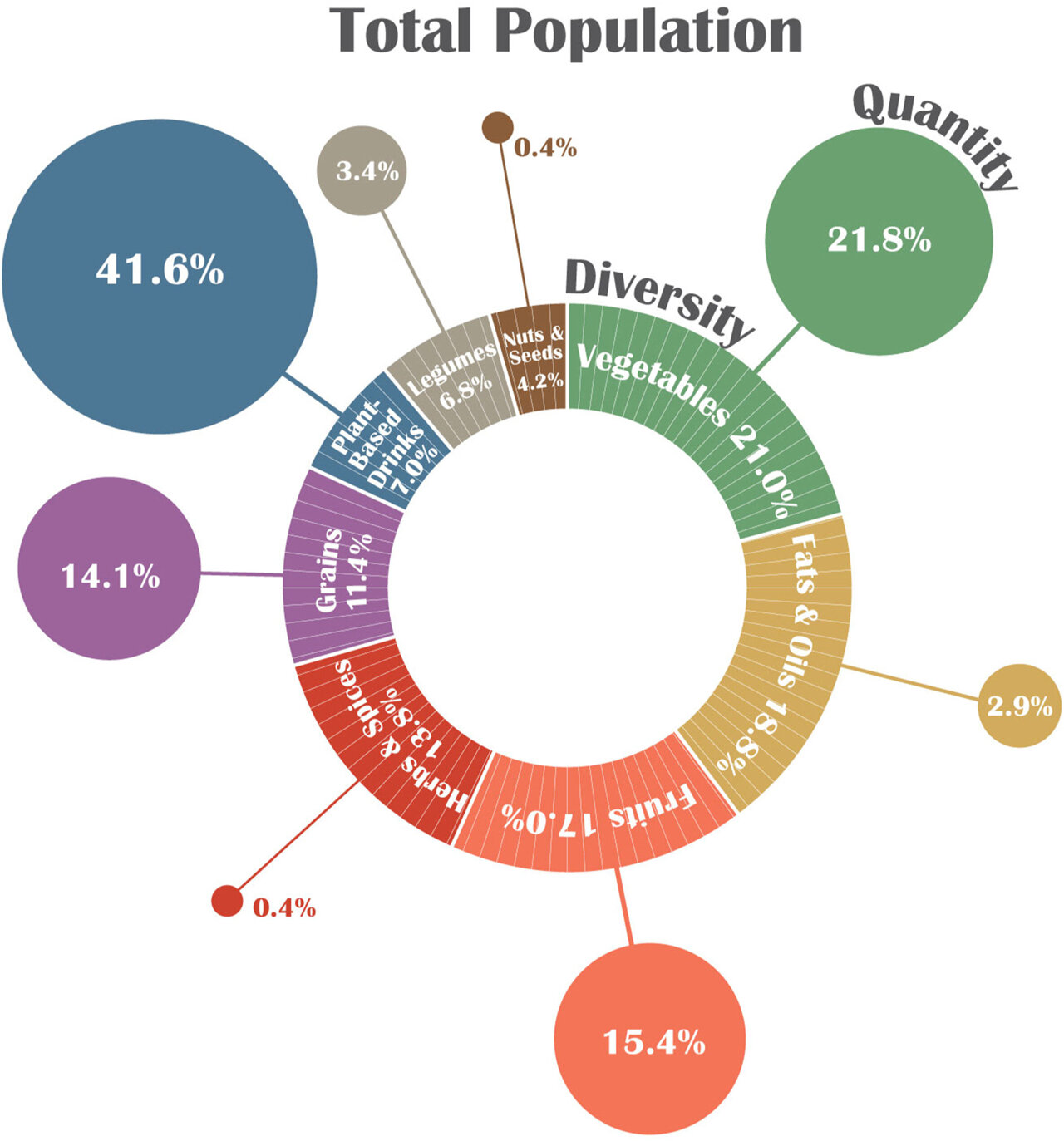
Dr. Dimidi noted that vegetables were the largest contributors to diversity, accounting for 21% of the intake. Plant-based fats and oils contributed 18.8%, and fruits accounted for 17%. Despite their established nutritional benefits, categories such as nuts, seeds, and legumes contributed minimally to total intake.
Addressing Nutrient Shortfalls
Although higher diversity was linked to better nutrient adequacy, key shortfalls still existed among those with the most diverse plant-based diets. These included fiber and several micronutrients essential for maintaining a strong immune system and healthy bones and tissues.
Dr. Dimidi suggested incorporating more plant-based foods into daily meals. "Legumes, nuts, seeds, herbs, and spices are great sources of plant-based nutrition that can add more diversity to our diets," she said. She recommended adding nuts to porridge, using spices in baked beans, and trying seasonal vegetables like courgettes, broccoli, and broad beans during specific months.
Recommendations for a Healthier Diet
The researchers believe that promoting a more diverse intake of plant-based foods—especially those currently under-consumed—could be an effective strategy for improving diet quality across the UK population. This approach is particularly important for groups at higher risk of diet-related diseases.
By focusing on increasing the variety of plant-based foods in daily meals, individuals can enhance their overall health and reduce the risk of chronic conditions. Small changes, such as incorporating new ingredients and experimenting with different recipes, can make a significant difference in long-term health outcomes.

Post a Comment for "UK Adults Lack Sufficient Plant-Based Diets, Study Reveals"
Post a Comment