UCLA to Pay Over $6M to Settle Pro-Palestinian Protest Lawsuit
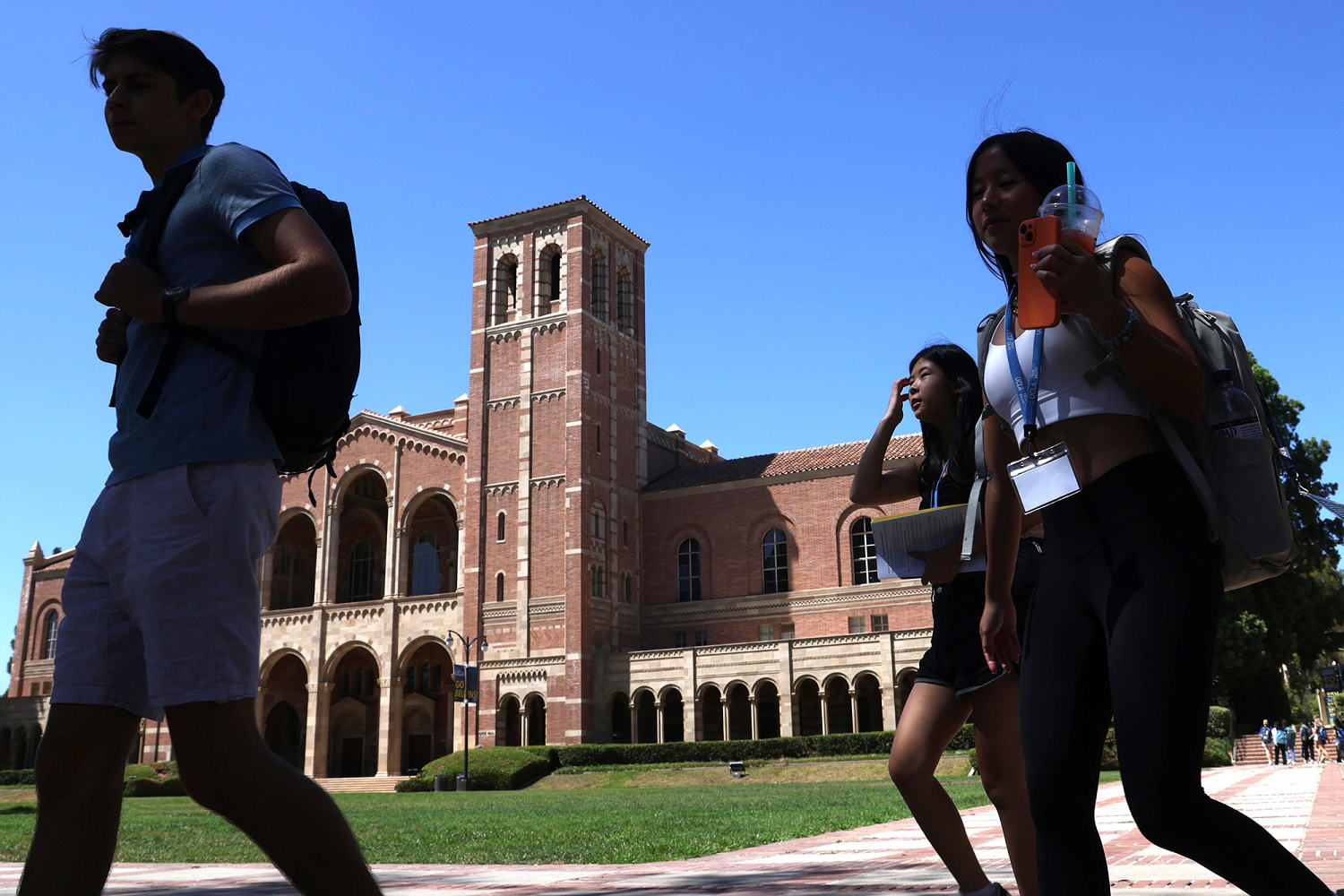
UCLA Settles Discrimination Lawsuit for Over $6 Million
The University of California, Los Angeles (UCLA) has reached a significant settlement in a discrimination lawsuit involving Jewish students and a faculty member. The agreement includes a payment of more than $6 million, marking a major step in addressing concerns raised by the plaintiffs.
The lawsuit, filed in June 2024, alleged that the university failed to take adequate action when pro-Palestinian protesters established encampments on campus during the spring. The plaintiffs claimed these encampments created “Jew exclusion zones,” making certain areas inaccessible to Jewish students. Although UCLA denied any wrongdoing, it agreed to settle the case fully. This includes $50,000 payments to each of the plaintiffs and an additional $2.33 million in donations to organizations focused on combating antisemitism.
In a joint statement, the parties involved expressed satisfaction with the terms of the settlement. They emphasized that the agreement includes measures aimed at preventing future exclusion of Jewish students and faculty from university programs, activities, or campus areas. The eight organizations receiving donations include Hillel at UCLA, the Academic Engagement Network, and the Anti-Defamation League.
Additionally, the university committed to allocating $320,000 for its Initiative to Combat Antisemitism. UC Board of Regents Chair Janet Reilly stated that antisemitism, harassment, and intimidation have no place at the University of California. She acknowledged past shortcomings and reiterated the institution’s commitment to improvement.
Yitzchok Frankel, a UCLA student and one of the plaintiffs, expressed disappointment with the university's initial response but viewed the settlement as a positive development. He noted that the court judgment brings justice back to the campus and ensures Jewish students will be safe and treated equally.
The settlement follows a period of heightened tensions on college campuses, particularly after pro-Palestinian protests erupted across the United States in late 2024. At UCLA, protesters called for the university to divest from companies linked to Israel, leading to violent clashes with counterprotesters. More than 200 people were arrested, prompting the school to implement a “zero tolerance” policy banning encampments, masks that conceal identities, and protests that block pathways.
Similar legal challenges have emerged from pro-Palestinian groups and their supporters. In October, the American Civil Liberties Union of Southern California filed a lawsuit against UCLA, accusing the university of suppressing antiwar voices and unlawfully arresting students and faculty. The case remains under litigation.
Other universities have also faced similar legal pressures. Columbia University recently announced a $200 million payment to the Trump administration to restore funding that had been cut over allegations of violating anti-discrimination laws. Earlier this year, the administration canceled $400 million in grants, citing inaction in addressing harassment of Jewish students.
Barnard College, an all-women’s affiliate of Columbia University, also settled a lawsuit that accused the school of not adequately addressing antisemitism on campus. Among the settlement terms, the college agreed to ban masks at protests and refuse to meet with pro-Palestinian student groups. However, the agreement drew immediate criticism from students and faculty.
Nara Milanich, a Barnard history professor and Jewish academic, criticized the settlement, arguing that it equates criticism of Israel with antisemitism. She warned that such a stance could harm critical thought and academic freedom.
These developments highlight ongoing tensions between free speech, campus safety, and the fight against antisemitism. As universities continue to navigate these complex issues, the role of legal settlements in shaping institutional policies remains a central topic of discussion.

Post a Comment for "UCLA to Pay Over $6M to Settle Pro-Palestinian Protest Lawsuit"
Post a Comment