Two meteor showers peak tonight: How to watch them
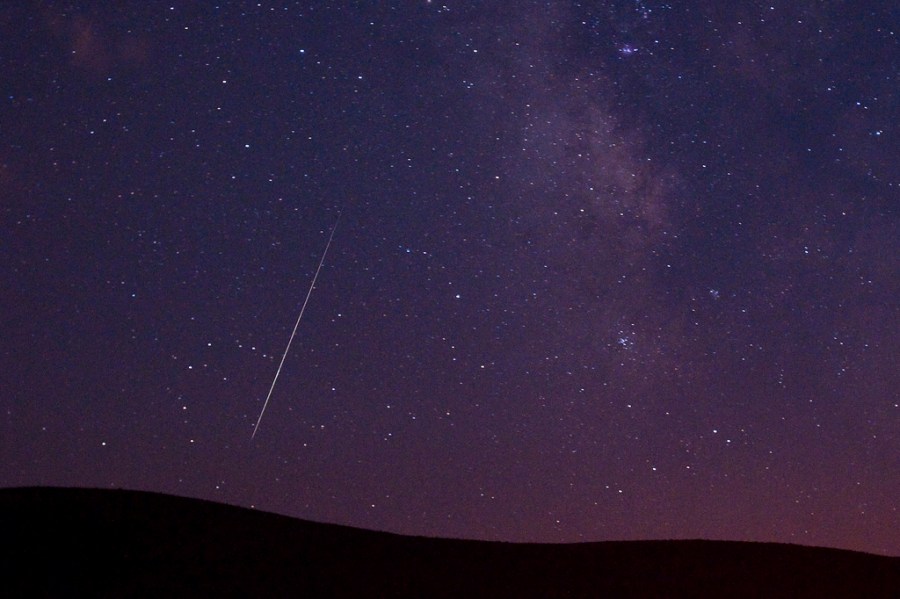
A Double Meteor Shower Event in July
July is making a memorable exit with a special treat for stargazers this week. Two meteor showers, the Southern Delta Aquariid and the Alpha Capricornid, will reach their peak during the early morning hours on Wednesday. This rare double-feature offers an excellent opportunity to witness celestial activity, even if it may not be as dramatic as the Perseids that light up the sky in mid-August.
While the Perseids are known for their bright, colorful trails, the conditions for this week's showers are favorable. The moon is waxing and only about a quarter full, which means it won’t interfere much with visibility. Stargazers who venture away from urban areas with heavy light pollution will have the best chance to see the meteors, which should appear quite bright under dark skies.
According to Thaddeus LaCoursiere, planetarium program coordinator at the Bell Museum in St. Paul, Minnesota, each shower is expected to produce up to a dozen visible meteors per hour. With both showers occurring simultaneously, the total number of meteors can add up significantly. LaCoursiere described both showers as "very nice classic meteor showers," encouraging observers to look for flashes of light in the night sky.
Nick Moskovitz of the Lowell Observatory in Flagstaff, Arizona, noted that the Alpha Capricornids, which are produced by slower-moving meteors, might have tails that linger slightly longer in the sky. This could make them more noticeable to the naked eye.
The viewing period for each shower will continue through August 12, giving enthusiasts several nights to catch a glimpse of the celestial display. Whether you're a seasoned astronomer or a casual observer, this event is a great chance to experience the beauty of the night sky.
What Is a Meteor Shower?
Meteor showers occur when the Earth passes through a region of space filled with interplanetary debris, such as particles left behind by a disintegrating comet. These events are often annual and predictable, according to the American Meteor Society (AMS).
The showers are typically named after the constellation from which they appear to originate. Although the meteors enter the Earth’s atmosphere on parallel trajectories, they seem to radiate from a single point in the sky, known as the radiant. This optical illusion occurs due to perspective.
How to Observe a Meteor Shower
To get the best view of a meteor shower, it's important to minimize light interference. Head out of the city and away from street lights and other sources of artificial illumination. This will give your eyes the chance to adjust to the darkness, which is crucial for spotting meteors.
Timing is also key. Predawn hours, when the moon is low in the sky, are ideal for viewing. Bring along some coffee to stay alert, and avoid using your phone’s bright screen, as it can disrupt your night vision.
By following these tips, you'll increase your chances of witnessing the stunning display of the Southern Delta Aquariid and Alpha Capricornid meteor showers. Whether you're alone or with friends, this celestial event is sure to be a memorable experience.

Post a Comment for "Two meteor showers peak tonight: How to watch them"
Post a Comment