Two Killers in California Teen's Infamous 'Satanic' Slaying Released from Prison
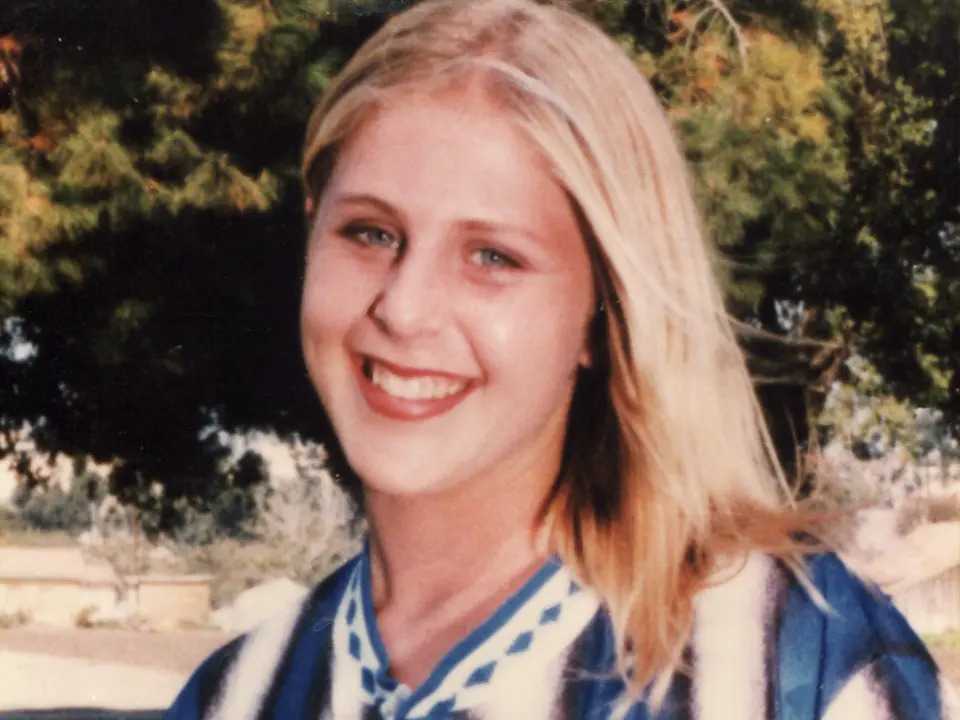
The Tragic Case of Elyse Marie Pahler
In 1995, the life of 15-year-old Elyse Marie Pahler was tragically cut short in a manner that shocked the nation. Her murder became a national sensation, with prosecutors alleging that the crime was part of a satanic ritual committed by three teenagers. Decades later, two of those individuals have been released from prison, raising questions about justice, redemption, and the lasting impact of such a heinous act.
Elyse's story began on July 22, 1995, when she received a phone call at her home in Nipomo, an unincorporated area of San Luis Obispo County. Shortly after, she left the house, lured by three teenage boys she knew from her school bus route. They claimed they had marijuana, and she followed them into the night.
For eight months, her family endured unbearable uncertainty, hoping she had simply gone to stay with friends. Her grandmother even published an open letter, pleading for Elyse to reach out so they could know she was safe. “I promise you I do not want to ‘drag’ you home... Just call me so we can know you are alive,” the letter read.
The nightmare ended in March 1996 when Royce Casey, then 17, confessed to police that Elyse had died the night she disappeared. He led investigators to her body, which had been hidden in a eucalyptus grove. A pathologist determined that she had been stabbed multiple times and died from blood loss.
Three teenagers were arrested in connection with the crime: Casey, Jacob Delashmutt (then 16), and Joseph Fiorella (then 15). The case quickly gained national attention, with prosecutors claiming the murder was part of a satanic ritual aimed at “glorifying Satan.” This theory fueled media coverage and public outrage, especially given the young age of both the victim and the accused.
The teens provided conflicting accounts of their motives. Casey reportedly told investigators that Elyse was the “perfect sacrifice” because of her blonde hair and blue eyes, and that he believed killing her would make them better guitar players. In contrast, Fiorella denied any involvement in rituals, pointing instead to drug abuse as a factor in the crime.
Despite the controversy, all three were sentenced to at least 25 years to life in prison. Over the years, some of the survivors and families sought justice through civil lawsuits. For instance, Elyse’s parents filed a lawsuit against the band Slayer, claiming their music encouraged violent behavior toward teenage girls. However, Delashmutt denied these claims, stating that the murder had nothing to do with rituals and everything to do with personal obsession.
Parole and Redemption
In recent years, two of the convicted individuals have been released from prison. Jacob Delashmutt was paroled from the Correctional Training Facility in Soledad, while Royce Casey was released from the Valley State Prison in Chowchilla. Their release has sparked debate about whether they have truly changed or if they should be allowed back into society.
Casey’s habeas corpus petition revealed his reflections on the crime. He wrote that listening to death metal had “corrupted my mind and morals” and created a fantasy world that merged with reality. “I do not expect society to come running to welcome me home upon my release,” he wrote, “but I know that I am not the same person I was when I committed my crime.”
Joseph Fiorella remains incarcerated at the High Desert State Prison in Susanville. He was denied parole in 2023 and is scheduled for another hearing in June 2026.
The Legacy of a Tragedy
Elyse’s story continues to serve as a reminder of the devastating impact of violence and the complexities of justice. While the two killers have been released, the pain of the Pahler family and the broader community remains. The case also highlights the role of media, public perception, and legal processes in shaping how such crimes are understood and addressed.
As society grapples with the question of redemption and punishment, the case of Elyse Marie Pahler stands as a tragic chapter in American history—one that challenges us to reflect on the cost of violence and the possibility of change.

Post a Comment for "Two Killers in California Teen's Infamous 'Satanic' Slaying Released from Prison"
Post a Comment