Tura! Review: Cody Jarrett's Heartfelt Doc Reveals the Humanity Behind a Badass B-Movie Icon
A Journey Through the Life of Tura Satana
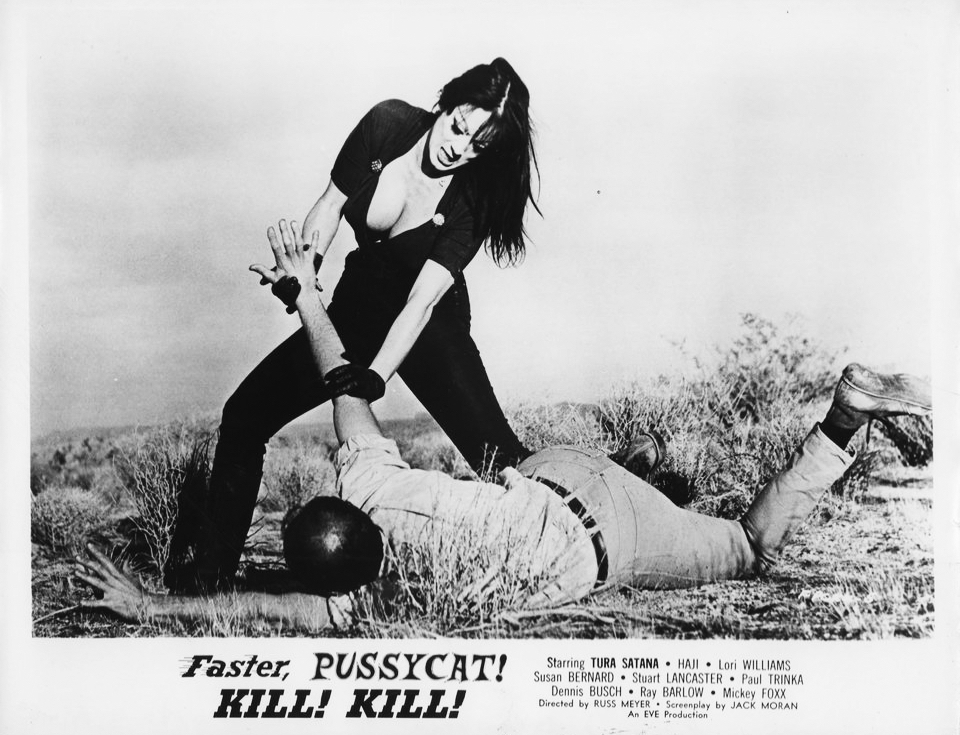
Tura Satana, a name that resonates with cult cinema enthusiasts, was more than just a movie star. Her legacy as a go-go girl and later as a film icon has left an indelible mark on the world of independent and grindhouse cinema. Known for her striking presence in "Faster Pussycat! Kill! Kill!" where she played the fierce and leather-clad Varla, Tura’s story is one of resilience, complexity, and transformation.
The documentary "Tura!" directed by Cody Jarrett, offers a compelling look into the life of this enigmatic figure. With narration by Margaret Cho, the film not only celebrates her contributions to cinema but also delves into the personal challenges she faced. It's a tribute that highlights the significance of her work while exploring the deeper issues of race and gender in postwar America.
Early Life and Challenges
Born Tura Luna Pascual Yamaguchi to a Japanese father and American mother, Tura's early life was marked by trauma. At just ten years old, she was raped by five men in Chicago, an event that would shape her future in profound ways. The film recounts this incident in chilling detail, showcasing how Tura turned her pain into strength. Rather than allowing this experience to define her, she used it as a catalyst to become tougher and more resilient.
This period was also influenced by the broader societal context. The aftermath of World War II brought with it lingering animosity, particularly towards Japanese Americans. Tura grew up in an environment where signs like "This is a white man's neighborhood" were common, reinforcing the racial tensions of the time.
Despite the challenges, Tura's mother was distant and sought to erase her daughter's racial identity. This included joining the Jehovah's Witnesses and even taping her eyes open to achieve a more Western appearance. These actions reflect the complex dynamics within her family and the pressures she faced growing up.
Career in Cinema
As Tura entered her teenage years, she found herself in the world of burlesque, where she began to earn money through performances. Her parents, although initially supportive, had their own motivations, primarily financial. However, they did not fully accept her choices, leading to a complicated relationship.
Her career in film began almost by accident when she made an uncredited appearance in Billy Wilder's 1963 film "Irma La Douce." Tura claimed she was interested in more than just the film itself, hinting at a string of rumored suitors that included famous names like Tony Curtis and Elvis Presley. Despite these connections, her actual love life was far less glamorous, often involving controlling relationships that contrasted with her tough image.
Family and Legacy
One of the most poignant aspects of the documentary is the insight provided by Tura's daughters, Jade and Lani. They candidly discuss their mother's shortcomings, highlighting that she was not the typical nurturing figure. Their perspectives offer a balanced view of Tura, acknowledging her struggles and the challenges of raising children while pursuing a demanding career.
After a series of personal and professional setbacks, including a brutal car crash and a bizarre shooting incident, Tura found renewed purpose with the advent of VHS and the re-release of her films. "Faster Pussycat! Kill! Kill!" which initially flopped, gained a new audience among punk rockers and the early days of the gay rights movement, who embraced Varla as a countercultural hero.
Final Thoughts
Cody Jarrett's "Tura!" is a tribute that captures the essence of a woman who defied the odds. With original interviews and archival footage, the film provides a rich tapestry of Tura's life, from her early struggles to her cinematic triumphs. It's a celebration of resilience and a reflection on the societal issues that shaped her journey.
Through the lens of Tura's life, the documentary invites viewers to reflect on the complexities of identity, the power of perseverance, and the enduring impact of art. As we explore her story, we gain a deeper understanding of the forces that shaped her and the legacy she leaves behind.

Post a Comment for "Tura! Review: Cody Jarrett's Heartfelt Doc Reveals the Humanity Behind a Badass B-Movie Icon"
Post a Comment