Tulsi Gabbard Releases Declassified Docs Amid CIA Pushback
The Controversy Over Declassifying Sensitive Intelligence
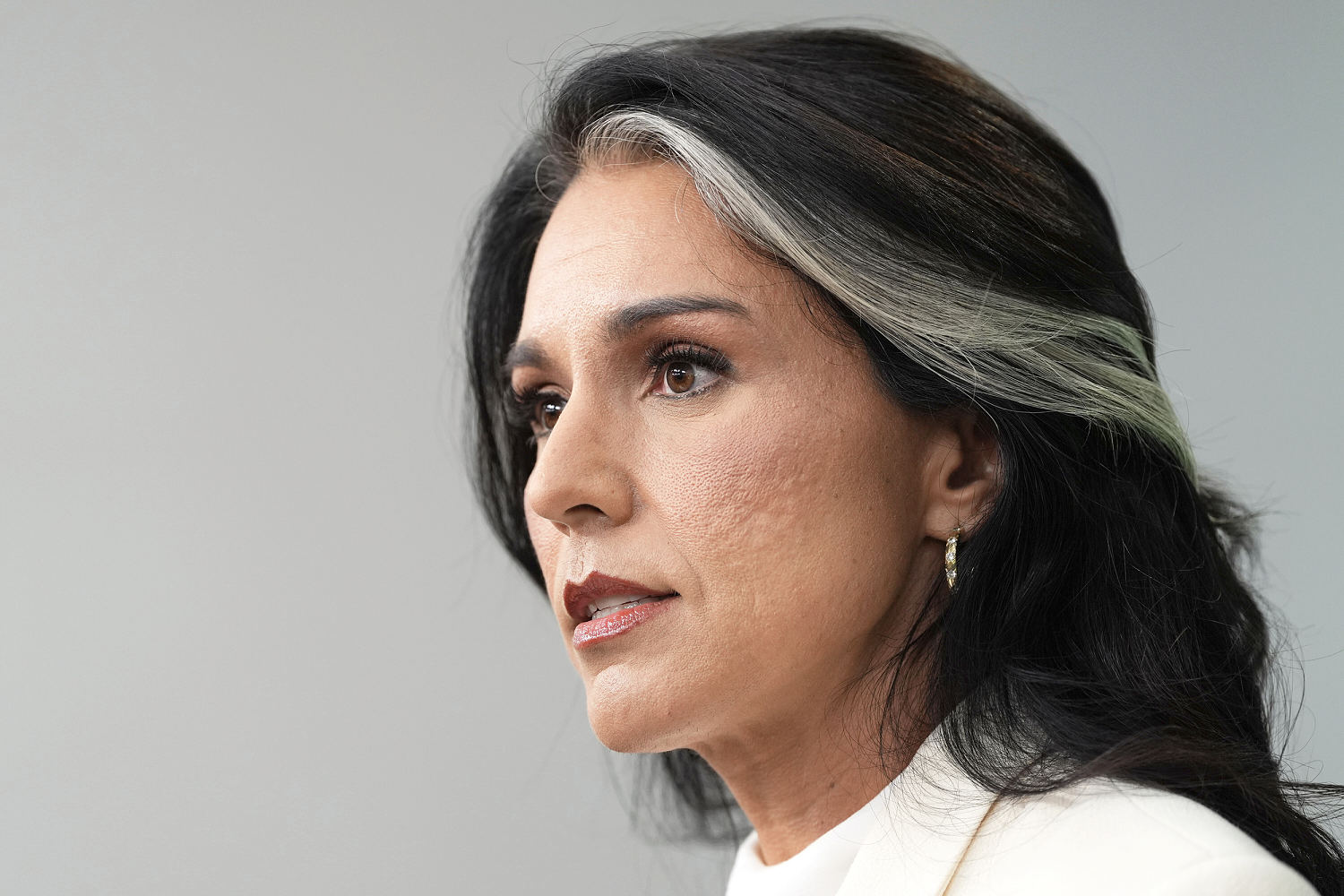
A significant controversy has emerged over the decision to declassify a document detailing Russia's interference in the 2016 U.S. election. National Intelligence Director Tulsi Gabbard made the move last month, despite strong objections from CIA officials who believed that some details should remain confidential to protect sensitive sources and methods. This action has sparked concern among former intelligence officers and members of Congress.
The Washington Post was the first to report on this disagreement, highlighting the tensions between different branches of the intelligence community. Some former intelligence officers expressed alarm at the level of detail revealed in the declassified document. Mark Warner, the top Democrat on the Senate Intelligence Committee, warned that such actions could jeopardize ongoing intelligence-gathering efforts.
The Office of the Director of Intelligence and the CIA have not yet responded to requests for comment on the matter. However, Gabbard’s decision to declassify a five-year-old report by the House Intelligence Committee, which was originally created by Republicans, has drawn attention. She claimed that President Donald Trump supported the decision. The declassified version of the report contained minimal redactions and included references to eavesdropping and a “clandestine” human source with insights into Russian President Vladimir Putin’s views on the U.S. presidential contest.
Michael Van Landingham, a former CIA analyst involved in the 2017 intelligence community assessment on Russia's interference in the 2016 election, was surprised by the level of detail exposed in the declassified document. He told NBC News that the information revealed could allow Russian authorities to identify potential sources of leaks, which could hinder the U.S. intelligence community’s ability to keep the country safe.
Van Landingham noted that when he worked as an analyst examining similar material about Russia’s election meddling in 2016, he was subjected to a polygraph test and only allowed to read the information in hard copy after signing his name to request it. This highlights the strict protocols in place to protect sensitive information.
In a recent internal review of a 2017 U.S. intelligence assessment of Russia’s interference in the 2016 election, the CIA used more cautious language when referring to the information supporting the assessment’s conclusions. The CIA review, which was declassified on July 2 by the agency’s director, John Ratcliffe, referred to “highly classified” intelligence reporting about Putin’s preferred candidate in the U.S. presidential race without specifying the source of that information.
Larry Pfeiffer, a former senior intelligence official who worked at the National Security Agency and the CIA, described the declassified Republican House report as “probably the lightest redaction of the most sensitive document I’ve ever seen.” He warned that such actions could have potentially damaging consequences for the intelligence community.
Gabbard appeared in the White House briefing room on July 23 and claimed that the Republican House report showed that the Obama administration fabricated intelligence suggesting that Russia waged information warfare to help Trump win the election. Former President Barack Obama and his administration have dismissed these claims as baseless.
Other Trump administration officials, including Ratcliffe, have issued reports and declassified documents making similar allegations about a plot by the Obama administration to exaggerate Russia’s influence efforts in the 2016 election and sabotage Trump’s presidency.
A bipartisan Senate intelligence report in 2020 supported the U.S. intelligence community’s analysis that the Kremlin sought to help Trump win the election. A special counsel appointed by Trump in his first term, John Durham, found no evidence of a criminal conspiracy by the Hillary Clinton campaign or the Obama administration to undermine Trump with false information.
At a joint press conference with Trump in Helsinki in 2018, Putin stated that he had wanted to see Trump win the election. This statement further complicates the narrative surrounding Russia’s role in the 2016 election and the subsequent investigations into its influence.

Post a Comment for "Tulsi Gabbard Releases Declassified Docs Amid CIA Pushback"
Post a Comment